Dry Pipes: Exploring the Menagerie of Glass
Modern dry glass pipes come in all sorts of shapes and sizes, some familiar, and others more exotic. It wasn’t always like this though! Glass hand pipes have undergone a rapid evolution since their popularization by the counterculture movement of the 1960s. By the 1970s, borosilicate glass pipes had begun to supplant more traditional materials such as metal, wood, and bone, primarily due to the ease of maintenance and the cleaner flavors produced by borosilicate glass pipes. Bob Snodgrass, often called the godfather of glass, began lampworking in 1971 and apprenticed under Chuck Murphy, who was among the early pioneers to move into using borosilicate or ‘hard glass.’ Through the 1980s and 1990s, glass pipe making continued to mature, with Snodgrass bringing further advancements to the form, both artistically and technically, as well as culturally. Following the Grateful Dead tour, Snodgrass sold his borosilicate glass pipes all over the US, quickly becoming collector’s items, and cementing Snodgrass, and his style, in the American cannabis culture.
Glass hand pipes rose to prominence in just a few decades, but the art of pipe making is ancient. Cultures all across the world have smoked herbs for ritualistic and recreational use, and many different types of pipes and implements have been invented for this purpose, often influenced by the materials and resources on hand. Borosilicate glass brought with it the ability to recreate these various shapes and functions, but offered superior durability, cleaner function, and also a new blank canvas for artistic expression. Glassblowers continue to refine and innovate new forms and techniques for dry glass pipes, but most pieces tend to fall within certain ‘families’ with which they all share some common features. Knowing about the types of glass hand pipes, their various pros and cons, as well as a little of their history might help you discover your next dry glass pipe, so we’re taking this opportunity to go over the common forms.
The Spoon
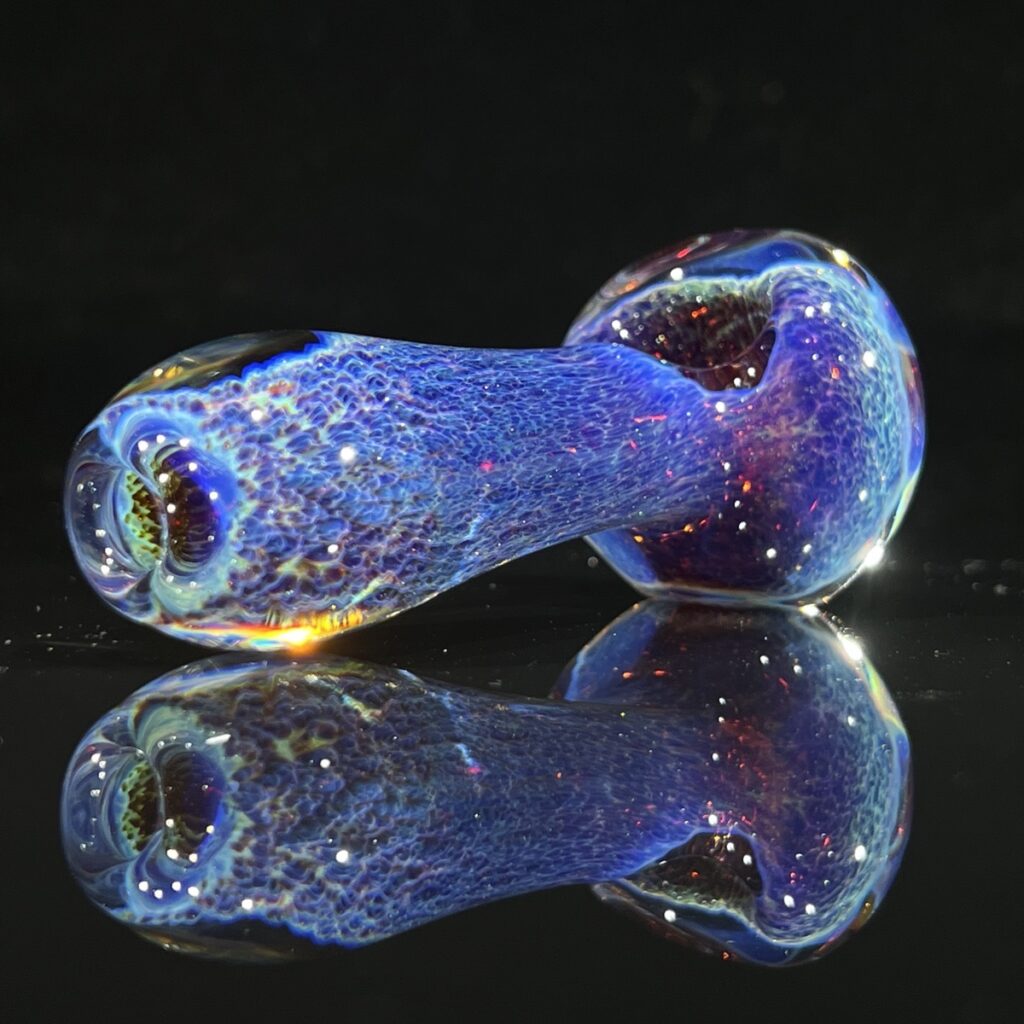
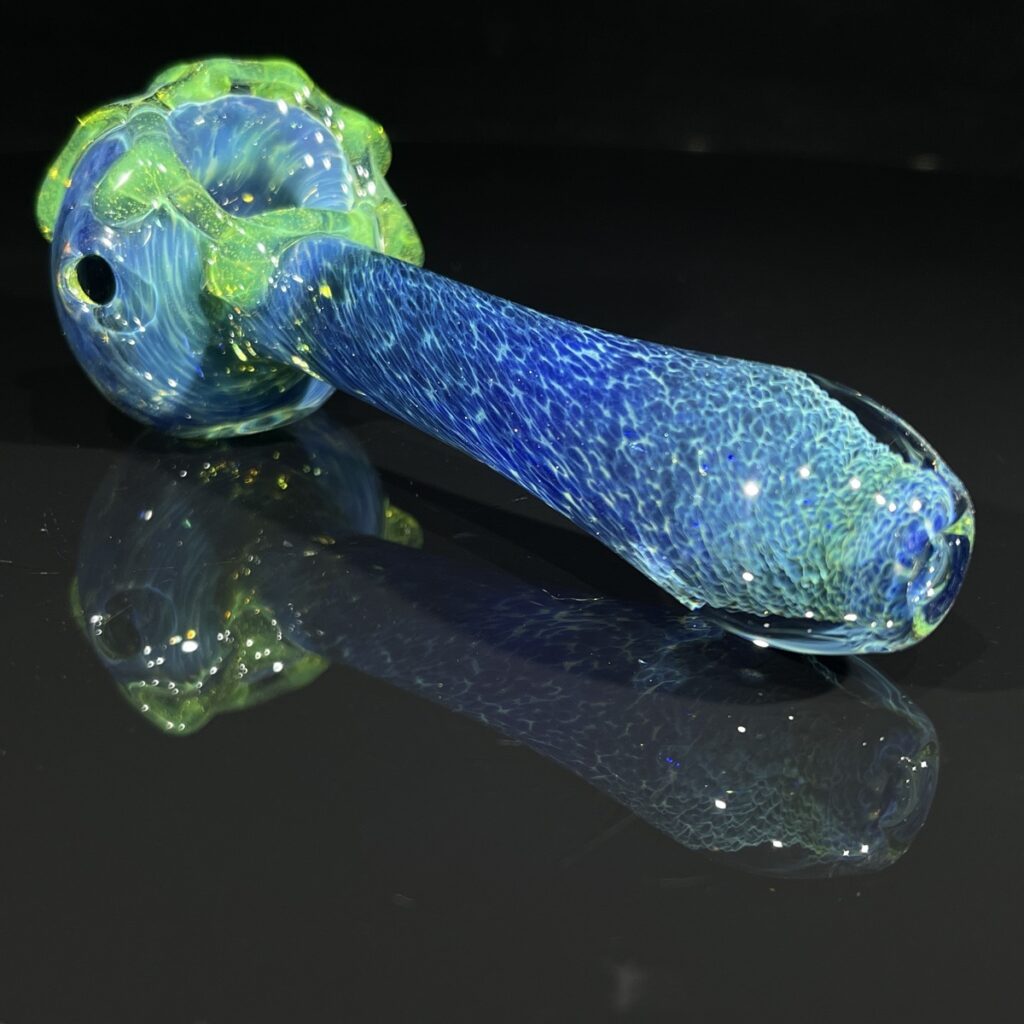
They are no good for eating soup, but glass spoon pipes are by far the most common form of dry glass pipes/glass hand pipes. Named for the general shape they take, glass spoon pipes have a handle or stem with a mouthpiece, a bowl where materials are loaded for smoking, and often a carb hole to clear smoke quickly. Glass Spoon pipes make great starter dry glass pipes, as they offer reliable function, ease of use and maintenance, as well as portability, and durability. Despite their near-universal adoption, glass spoon pipes are not perfect! They are essentially a short straight glass pipe, so they offer little in the way of catching ash or cooling smoke, but their versatility tends to make up for that. Everyone needs at least one glass spoon pipe—no glass hand pipe collection could ever be complete without one!
The Hammer
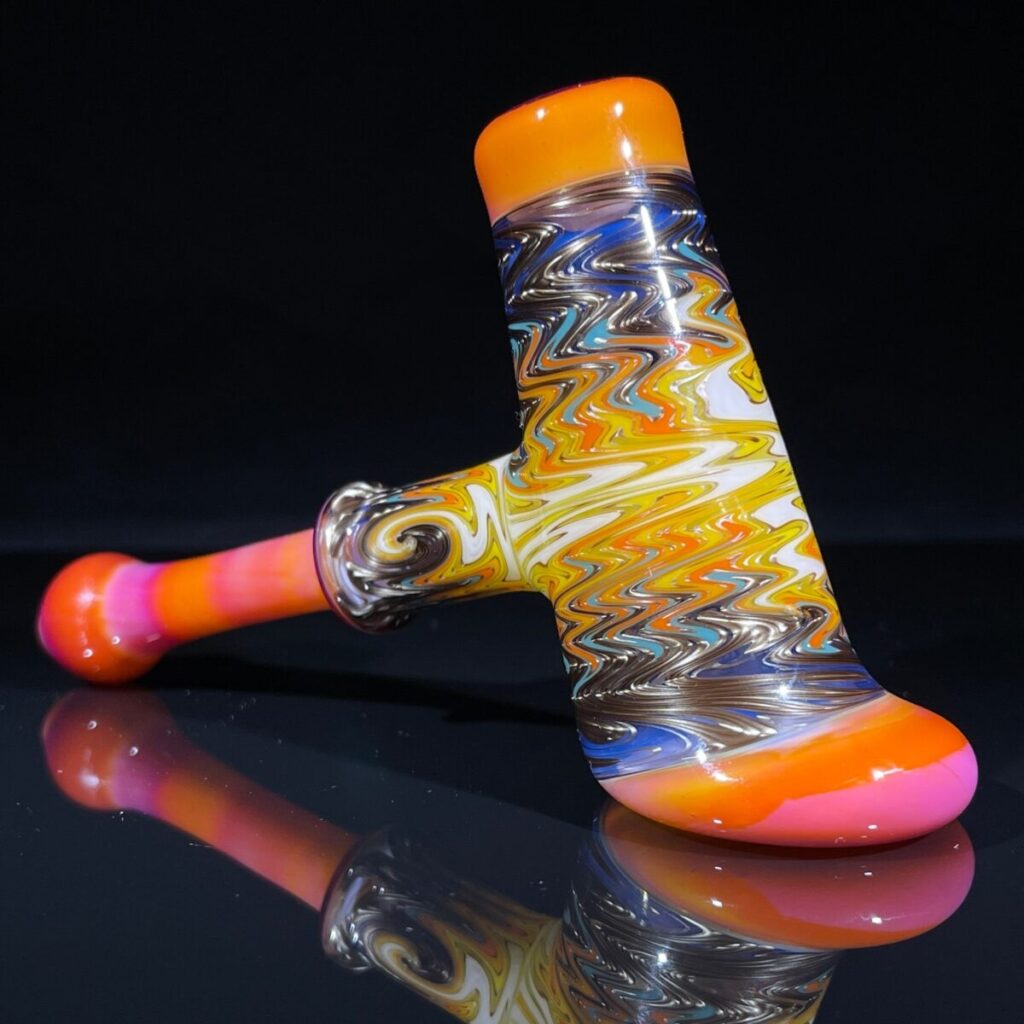
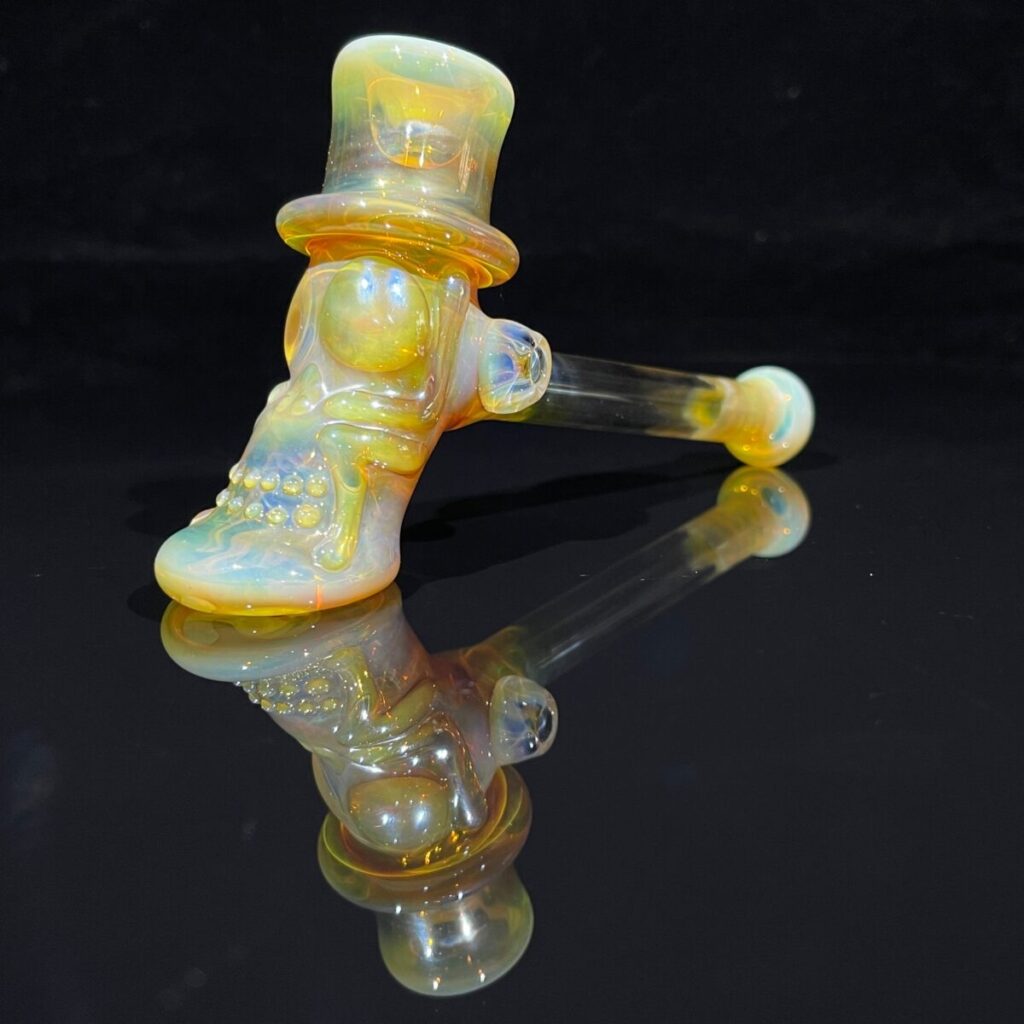
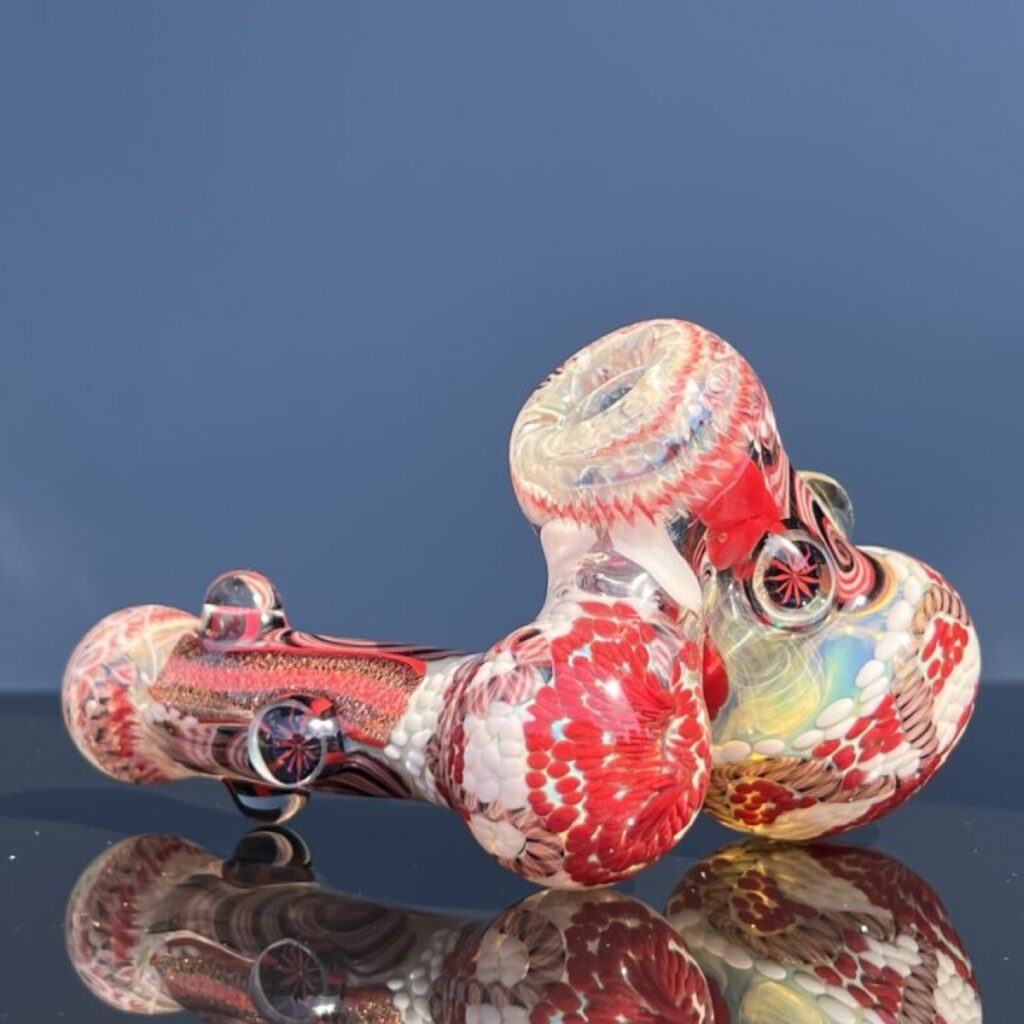
Glass hammer pipes share a lot of the same form and function with glass spoon pipes, but take things up a notch. Hammer glass pipes tend to be larger pieces overall, with bigger, deeper chambers for ash collection and longer stems. These features reduce the chances of ash getting sucked through the glass Hammer pipe, making Hammer glass pipes a favorite among more seasoned smokers. Borrowing a bit from traditional briar and calabash pipes, the Hammer pipe shape feels great in the hand, but the larger size means less portability, so you’re more likely to see a hammer pipe on someone’s coffee table than at a concert. Dry glass Hammer pipes make great daily driver hand pipes, and the low-maintenance design means you’ll spend more time enjoying your smoke and less time cleaning your pipe!
The Sherlock
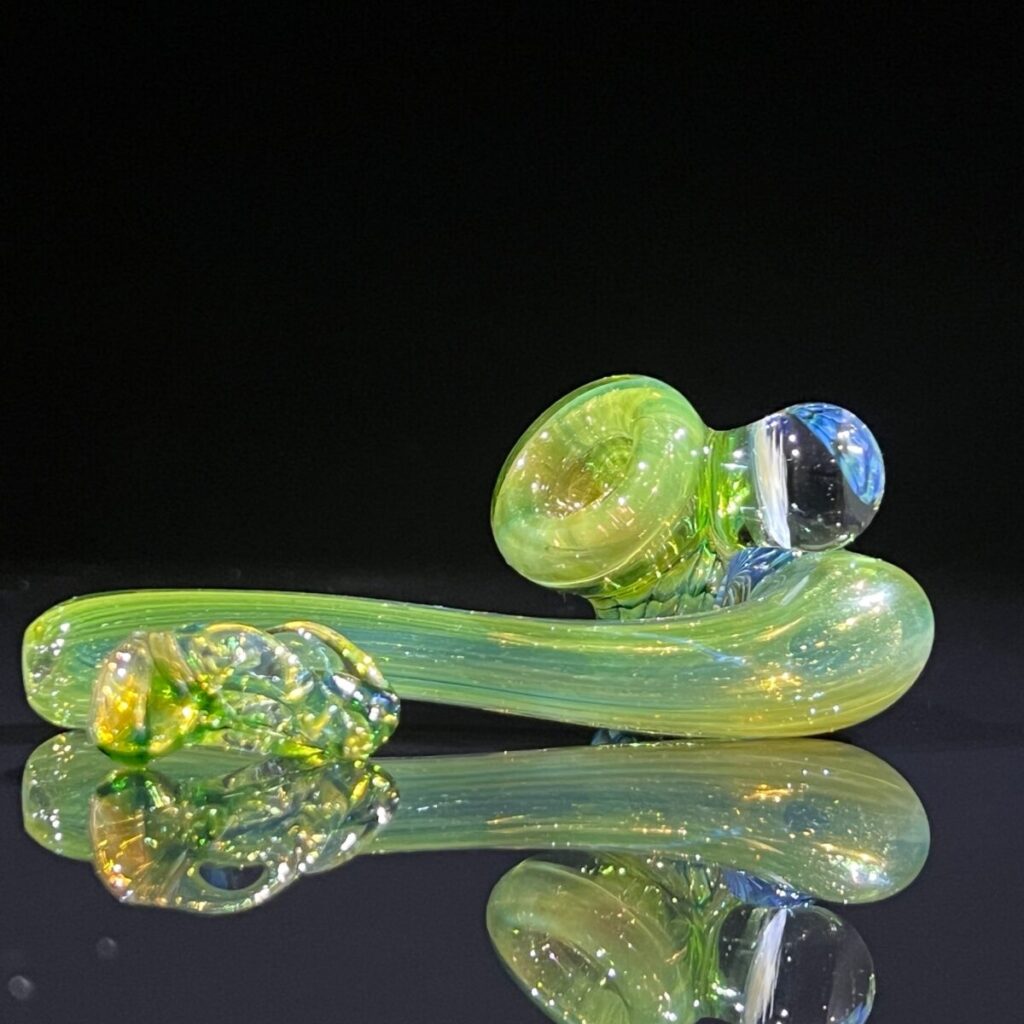
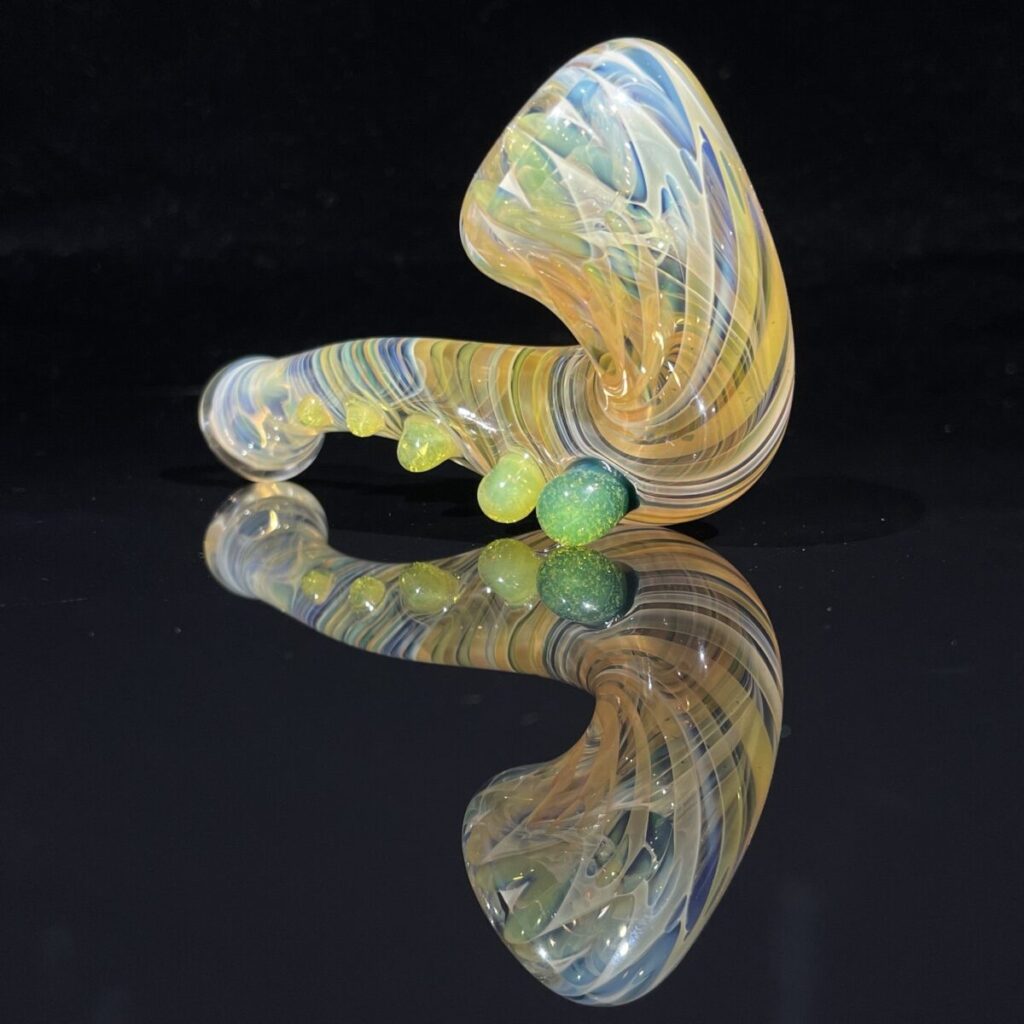
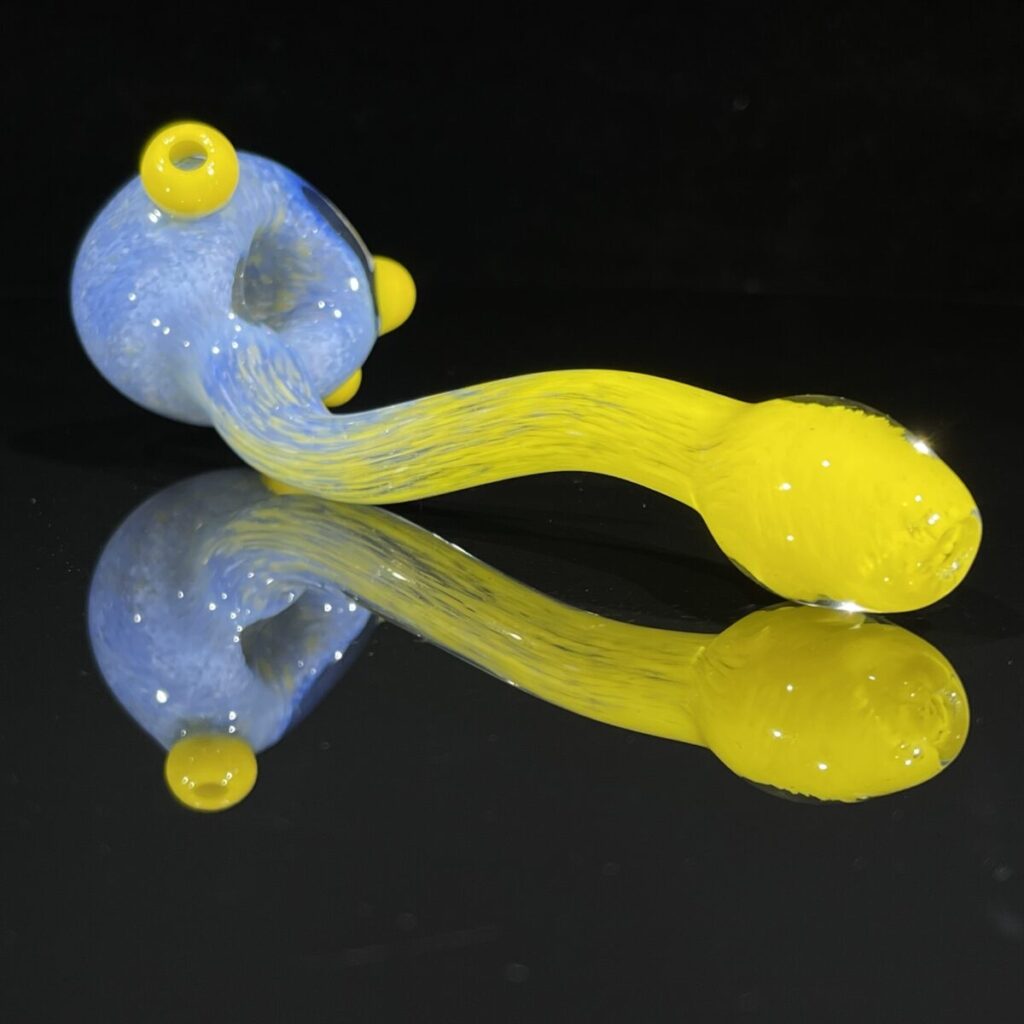
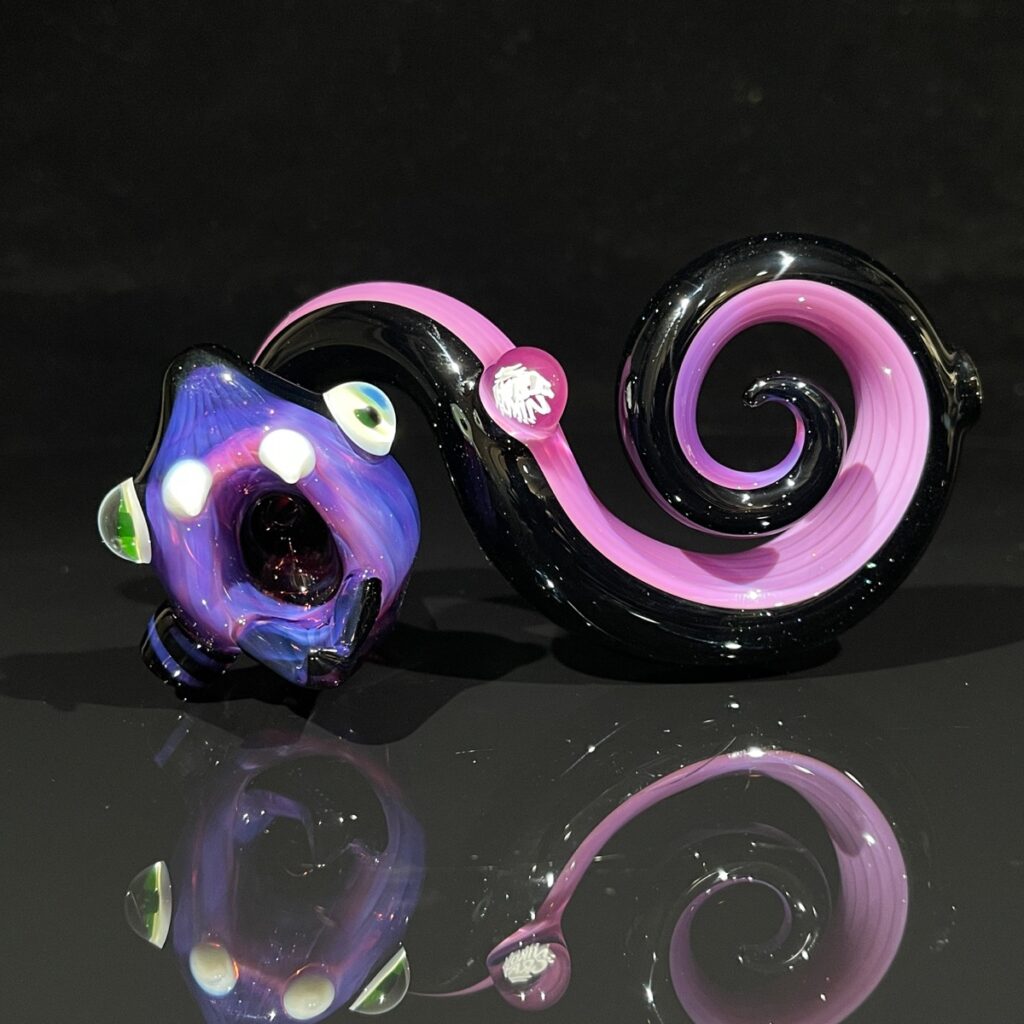
Named after the great British detective and inspired by his iconic calabash pipe, glass Sherlock pipes are definitely a more refined dry glass pipe style. Sherlock glass pipes are identified by their S- or J-shape, with the bowl dropping down and away from the mouthpiece. This curve or hook further traps ash and cools the smoke, more so than even the hammer glass pipes design. Glass Sherlock pipes also have great tactile appeal, as anyone who has ever held one while gesturing about deep in thought will tell you. These stylish improvements do come at a cost though, with Sherlock glass pipes being more difficult to clean and often a little less durable than their more compact and sturdy cousins. Much like their wooden ancestors, borosilicate glass Sherlock pipes often do not stand or lay flat due to their unique shape. Many artists solve this problem by adding marbles to act as stands, but it’s always a good idea to have a solution in mind for safely using, storing, and cleaning your glass Sherlock pipes. Once you wrap your fingers around the right Sherlock pipe, you won’t want to let it go!
The Gandalf
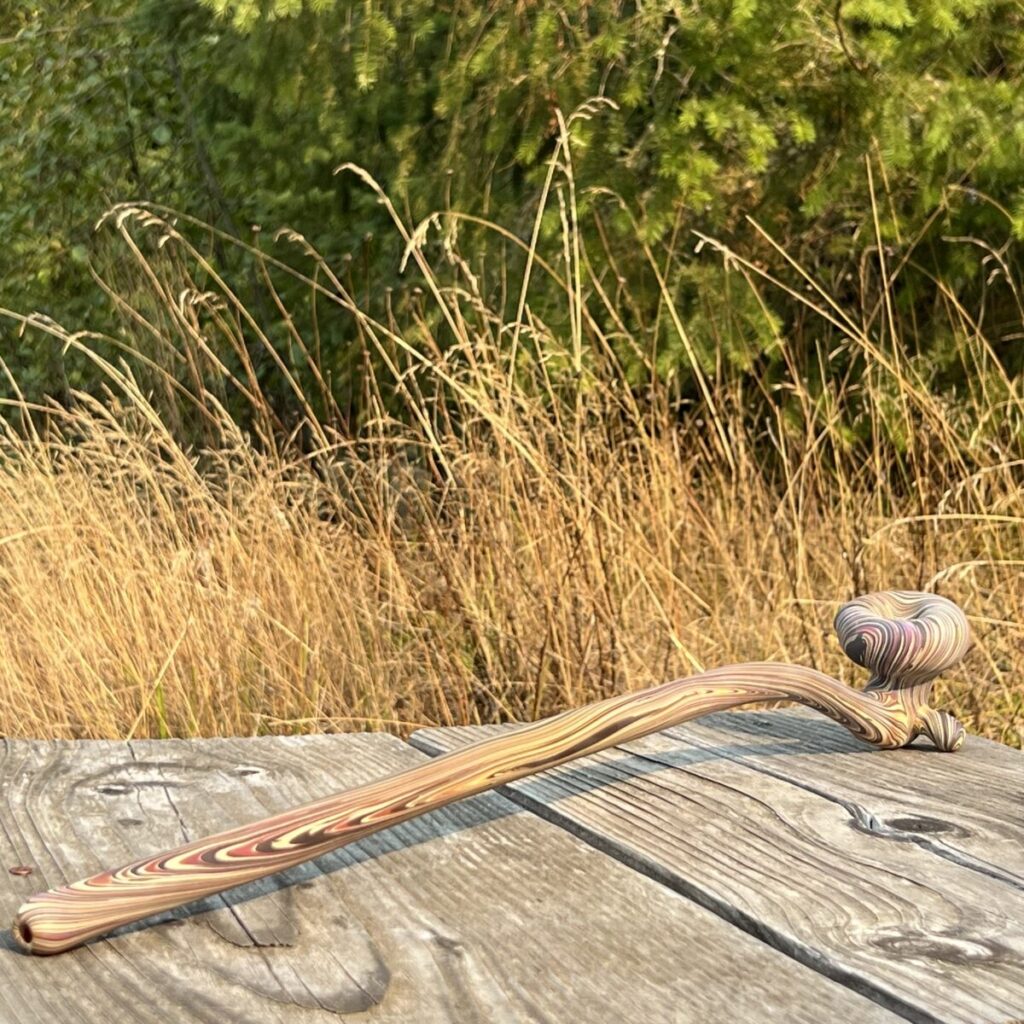
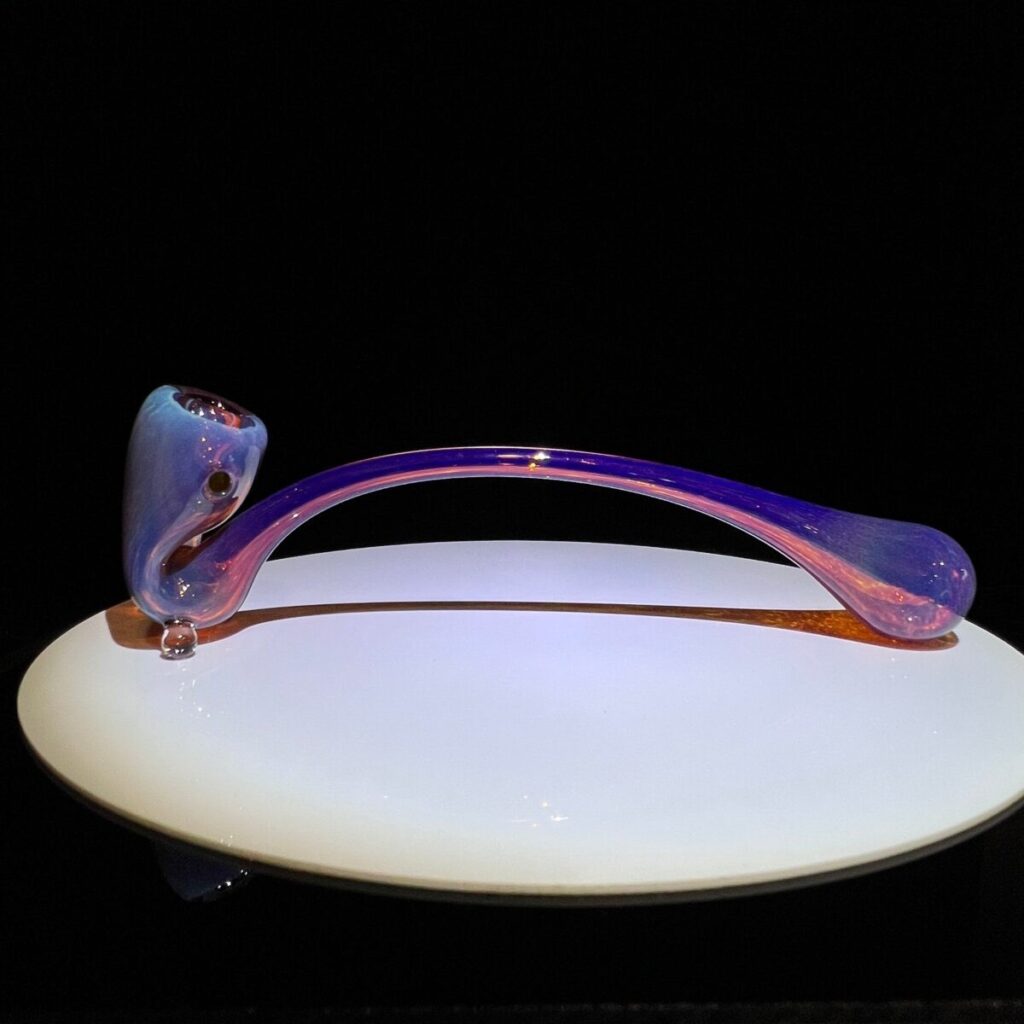
Named after the Grey Wizard Gandalf, this long, slender glass pipe is fashioned after the traditional wooden Churchwarden pipes. This style features an elongated stem, pulled into a classic J-shape. Glass Gandalf pipes often feature large bowls and are really intended for long, leisurely smoking sessions. The long stem helps ensure the smoke is cooled before it reaches your lips, and all but guarantees that the ash will stay down in the bowl where it belongs! Gandalf trekked all over Middle-Earth with his pipe tucked into the head of his staff, but we suggest leaving your dry glass Gandalf pipe at home as the size of a modern glass Gandalf pipe can range from 8″ up to 24″ or more! Much like the Sherlock glass pipes, these larger, swoopy borosilicate glass Gandalf pipes can be tricky to clean, so we recommend cleaning early and often to prevent buildup. Keep yours in tip-top shape, and it will provide you with great sessions—they’re a lot of fun too!
The Steamroller
Glass steamroller pipes are the quintessential dry party pipe. While they are among the most basic in design, the steamroller glass pipe functions differently than most other dry glass pipes. Consisting of just a straight tube for the body of the glass steamroller pipe, with a bowl pushed into the tube near one end, you seal the end nearest the bowl with the palm of your hand and inhale. Once the steamroller fills with smoke, you release the seal with your palm and clear the chamber in a quick motion. This big hit often feels more intense than puffing on a hand pipe, and is more akin to the big rips that are made possible with a bong. Dry glass steamroller pipes come in all sizes, are easy to clean, and are nearly indestructible, but still don’t make the best travel pieces as they are often unwieldy and have an exposed bowl area. Like ancient peace pipes, this tube is made for passing around though, so it’s always nice to keep a glass steamroller on hand for special occasions!
The Chillum
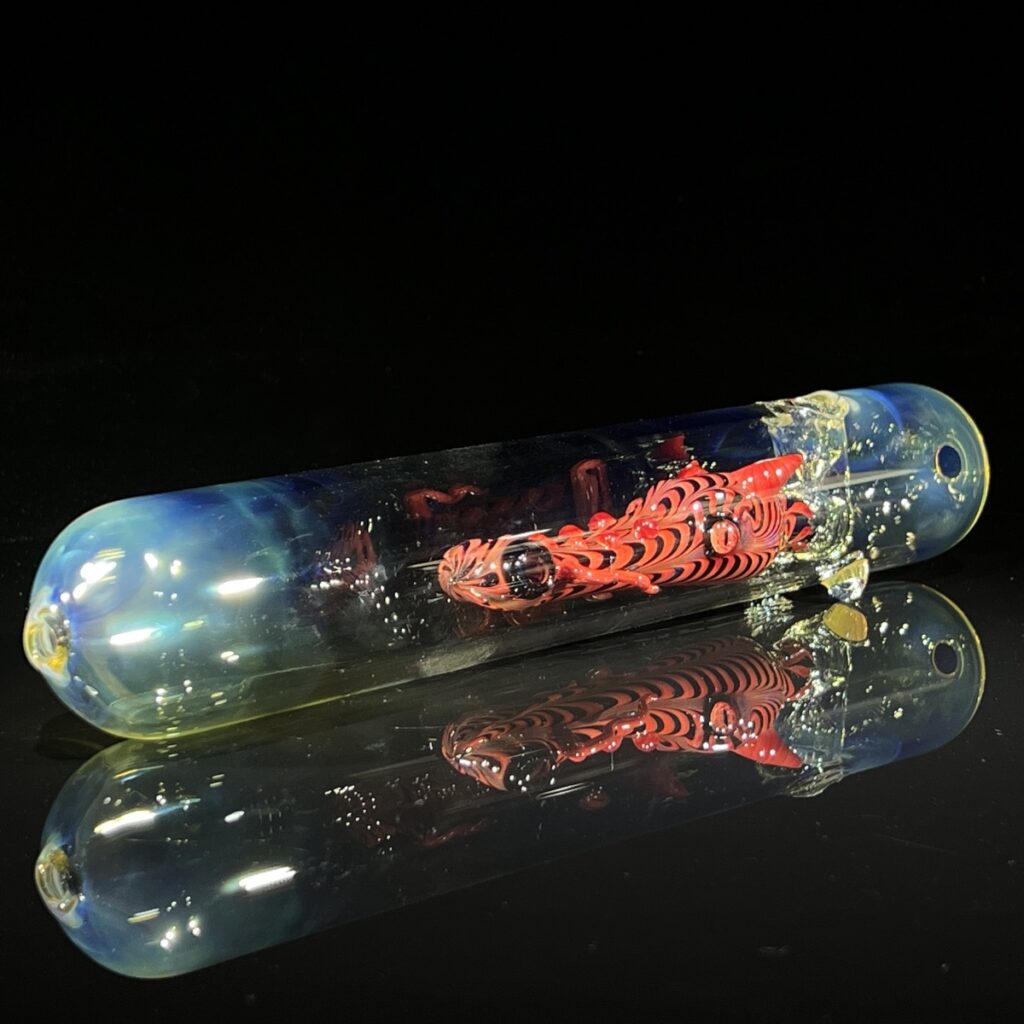
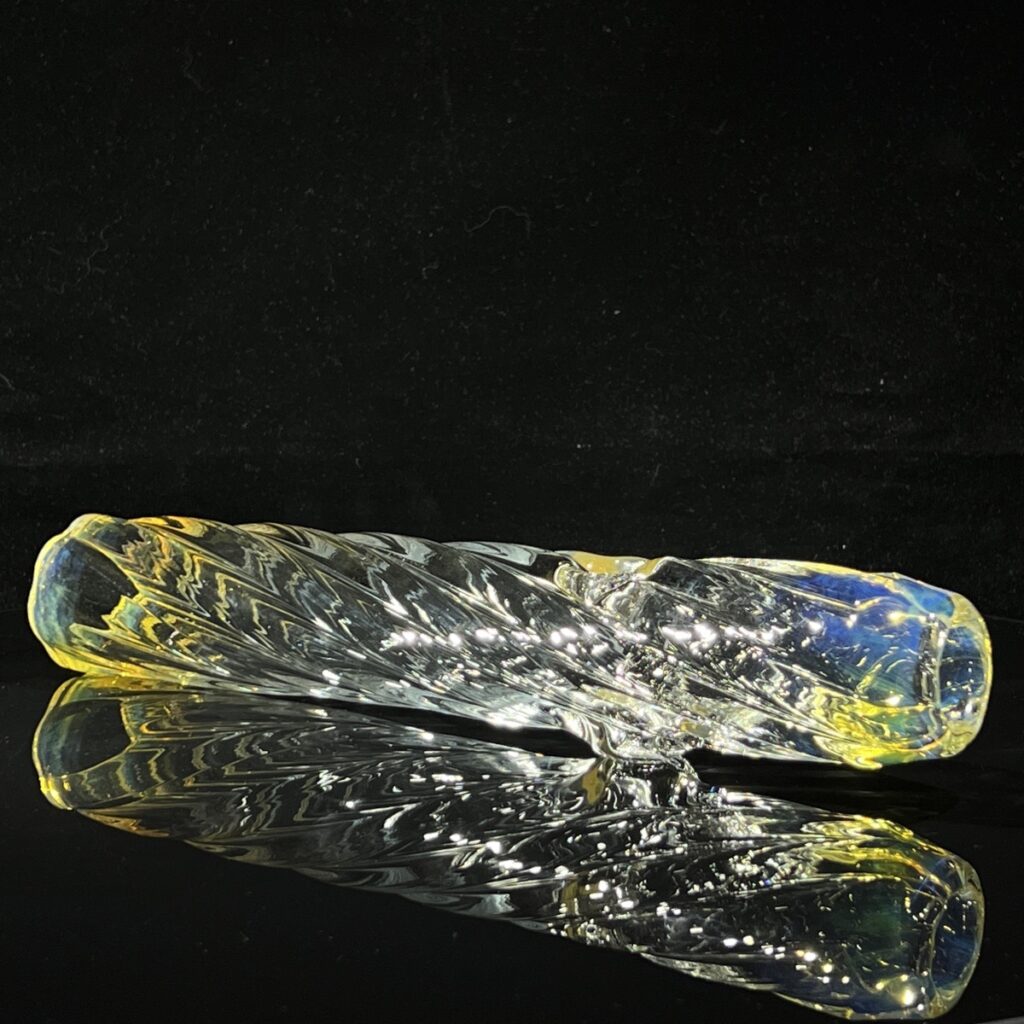
The glass chillum pipe is the oldest and simplest style of glass hand pipe. These dry glass chillum pipes were independently developed by every smoking culture throughout history. Glass chillum pipes are small, straight glass pipes with a mouthpiece on one end and a bowl on the other. A pinch point behind the bowl keeps your material in place, with a short, straight air path between the bowl and your lips. Despite this incredibly simple design, glass chillum pipes remain popular, especially among more seasoned smokers. The smallest glass chillum pipes are sometimes called one-hitter pipes, and allow a single person to smoke the entire bowl in a single quick hit. Ultra-portable, discreet, and sturdy, the glass chillum pipe travels even better than the glass spoon pipe, slipping invisibly into any pocket or even disappearing into your hand with ease. Glass chillum pipes tend to roll on flat surfaces, so they often feature a marble to keep them stable. Meant for little puffs and quick sessions, borosilicate chillum pipes may hit a little hotter and harsher than some users are used to, and it may take a bit to find a natural smoking rhythm that flows well. Once mastered, you might find yourself reaching for your one-hitter pipe or chillum pipe more and more!
The Others
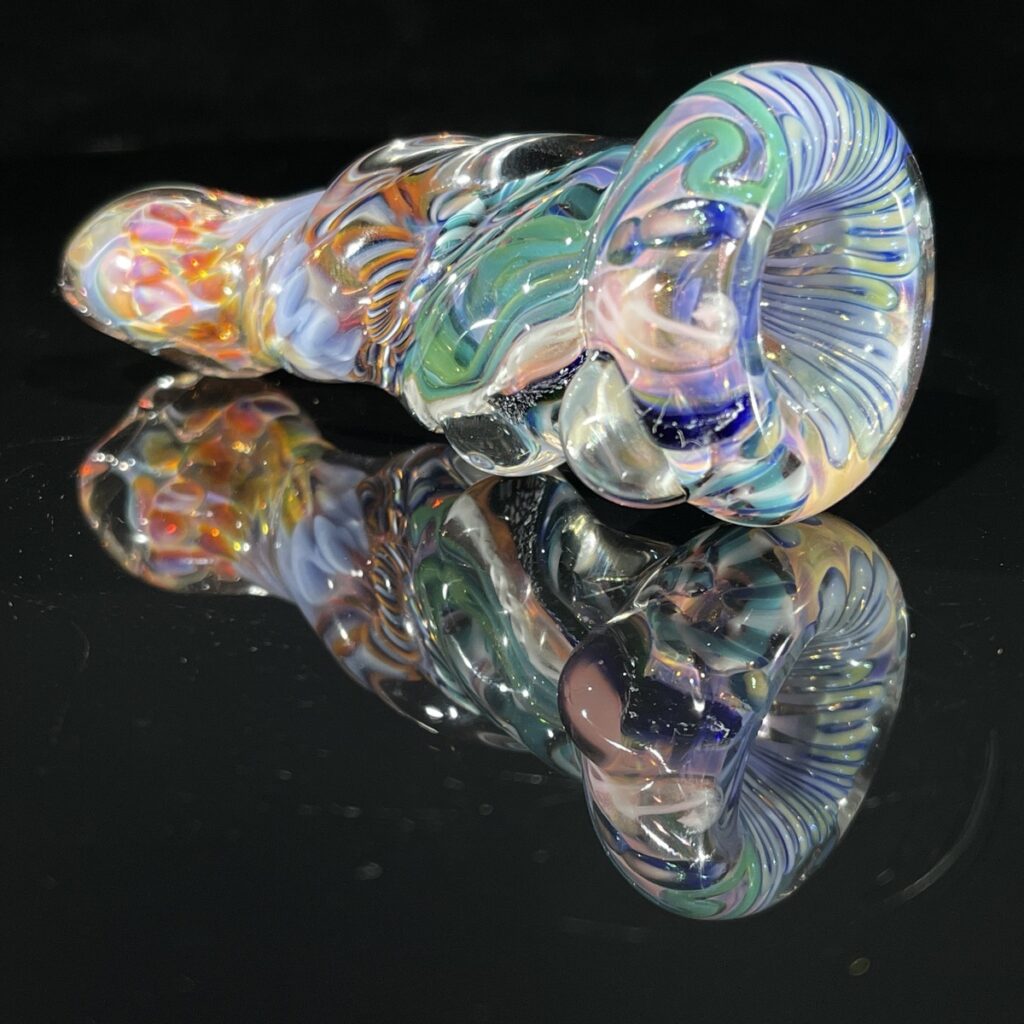
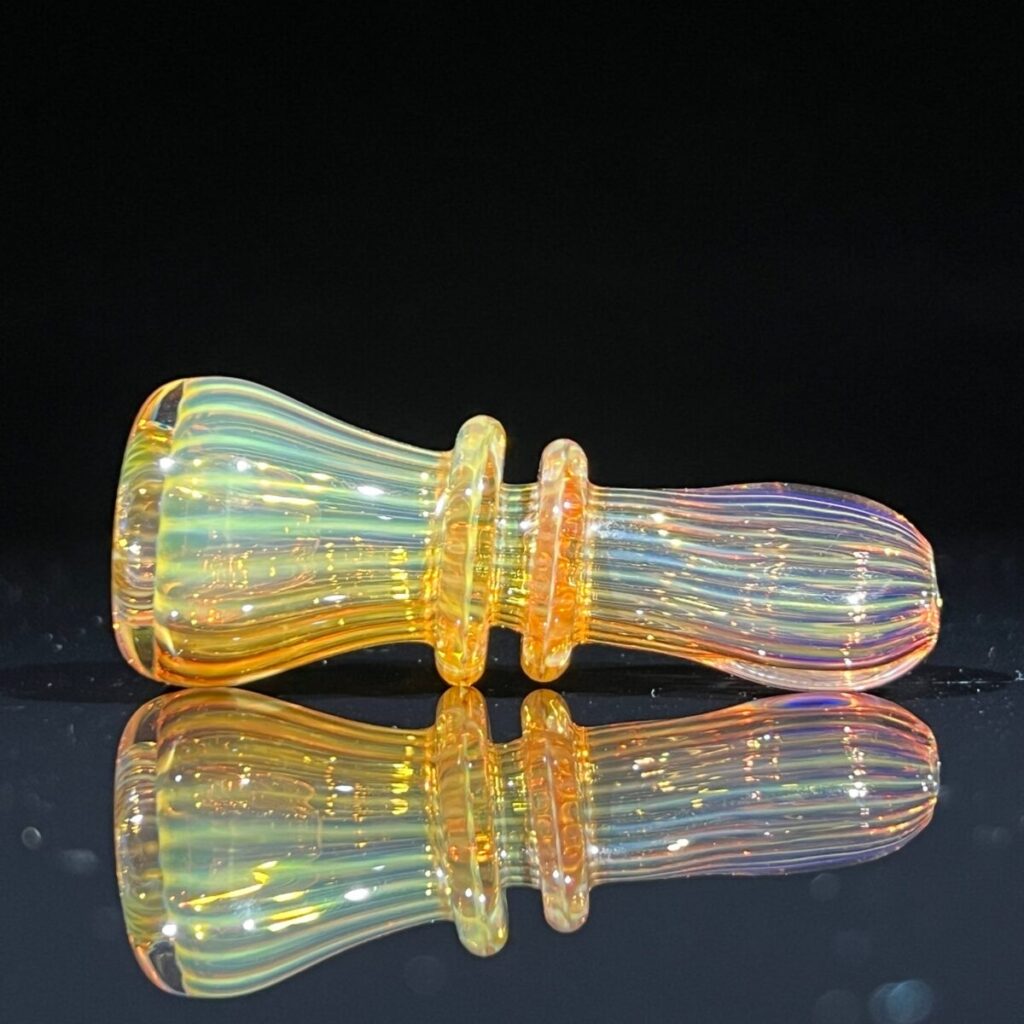
There are as many types of glass hand pipes as there are pipemakers. Each artist brings their own style to the pieces they make, from the subtle shape of a glass spoon pipe to the length and arc of a glass Gandalf pipe. Some dry glass pipes are variations on the types we discussed above, while others depart well outside of the recognizable norms. This includes sculptural glass pipes that twist and turn in unusual ways, as well as variations like the asymmetrical glass sidecar pipe. Glass sidecar pipes share DNA with hammer glass pipes and Sherlock glass pipes, but aren’t quite either style. They feature an offset stem that traps ash like their cousins, but they often sit at odd angles due to their unusual shape. Sculptural glass pipes can look like anything—from animals to houses to space lasers (no seriously, anything goes here!)—and often prioritize artistic integrity over pure functionality. These ornate yet still functional artistic glass pipes are just as much at home in a gallery as they are in your session spot. Are there others we haven’t mentioned here? Yeah, definitely, and with new burgeoning glassblowers setting up studios and entering the field, there are surely many more unique glass hand pipes that we haven’t even dreamt of yet.
We’re very passionate about dry hand pipes here at Tako Glass. It’s our stated mission to find the very best American made hand pipes, and bring them to you! We hope we can help you find your next dream piece, whether that means finding just the right Spoon pipe, or tracking down an unusual design, or a rare color variant. The more you know about the form and function of each style, the easier you’ll be able to find your perfect glass companion.