A Spoon by Any Other Name…
Exploring the History, Slang, and Regional Names of the Classic Glass Spoon Pipe
Depending on where and when you started smoking, you may have heard the classic glass spoon pipe called a bowl, a piece, a burner, bones, knuckles, a color changer, or something else entirely. Long before legalization, online smoke shops, and standardized product categories, cannabis culture developed its own vocabulary. Much of that language spread through word of mouth, passed from friend to friend, town to town, and generation to generation.
Unlike terms such as bong or chillum, the spoon pipe never had a single universally accepted nickname. Some names described its shape. Others referenced its appearance, function, or simply whatever terminology happened to be common in a particular community. Many existed only within local scenes and were never formally documented.
Today, most artists, collectors, and retailers refer to this iconic design as a spoon pipe. Yet the history of the spoon is also a history of the many names people have given it over the decades.
What Exactly Is a Spoon Pipe?
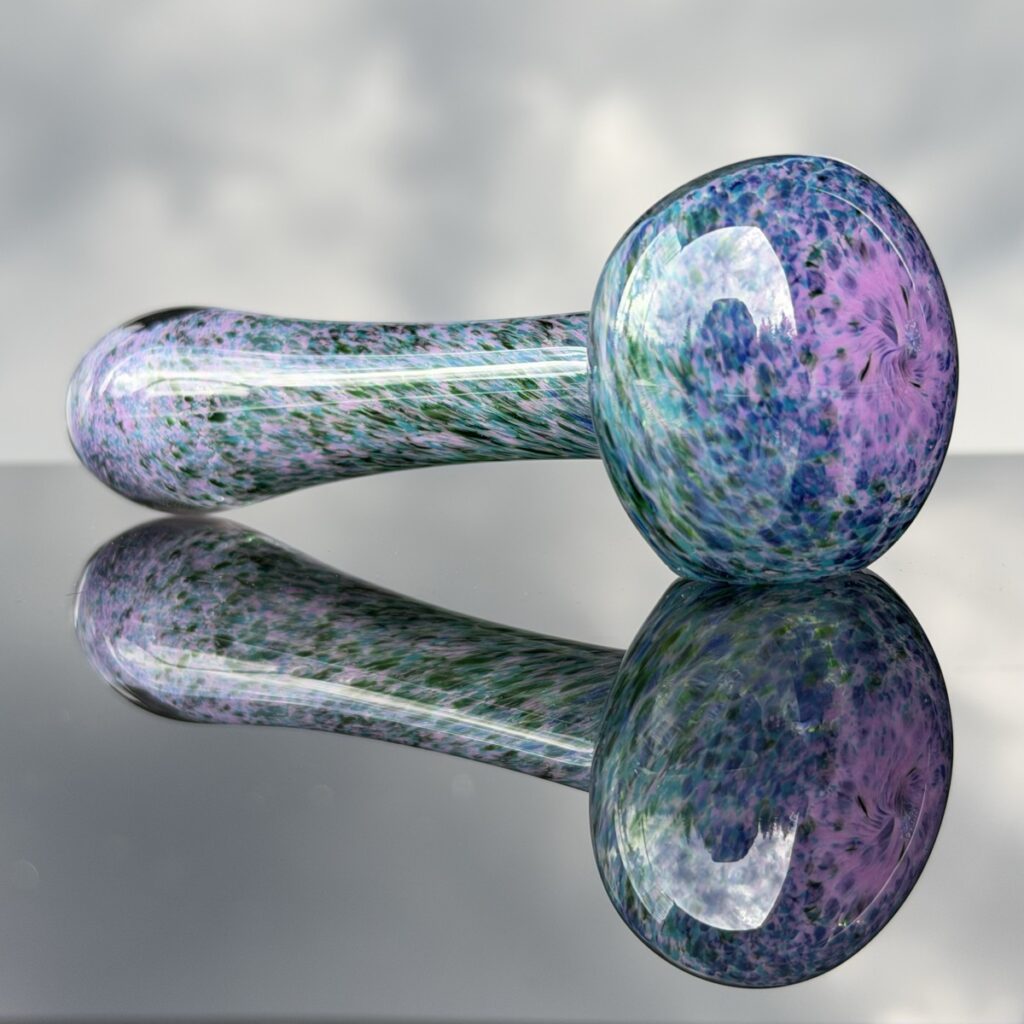
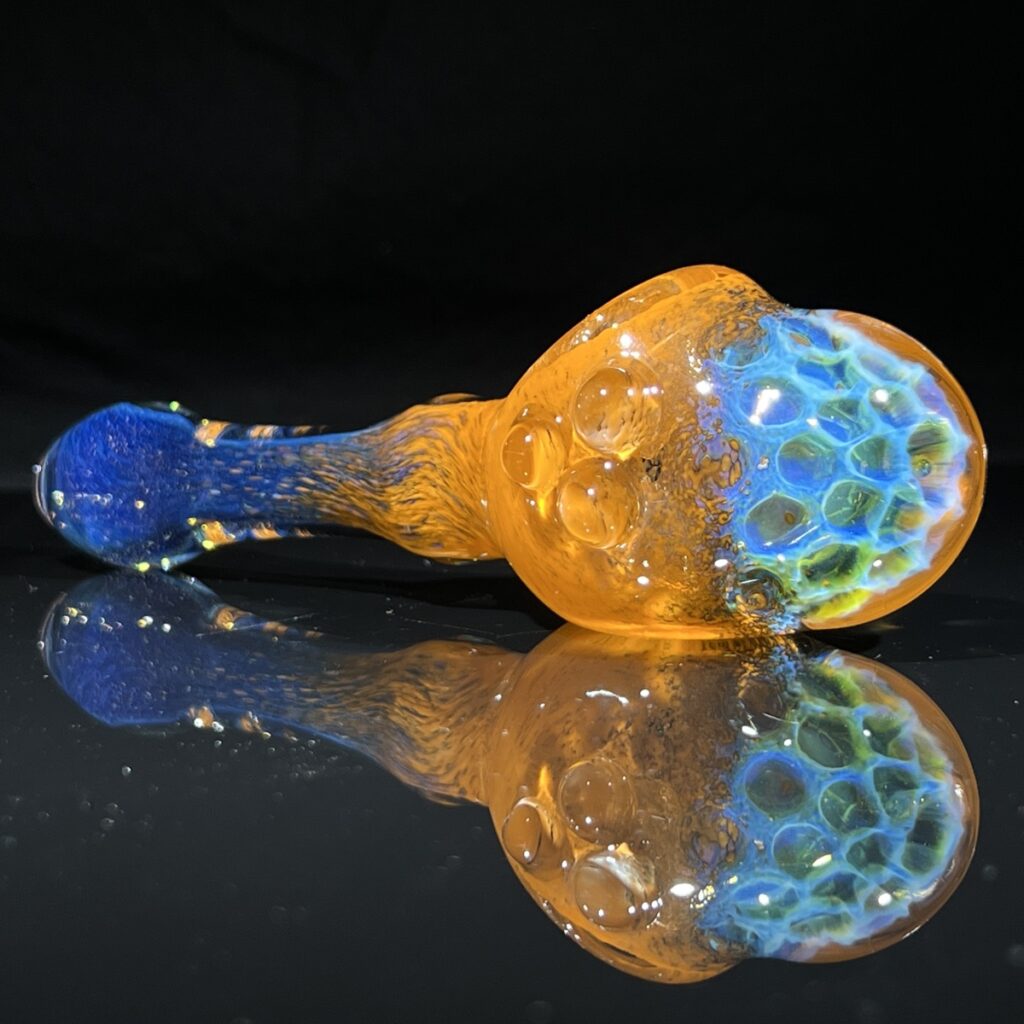
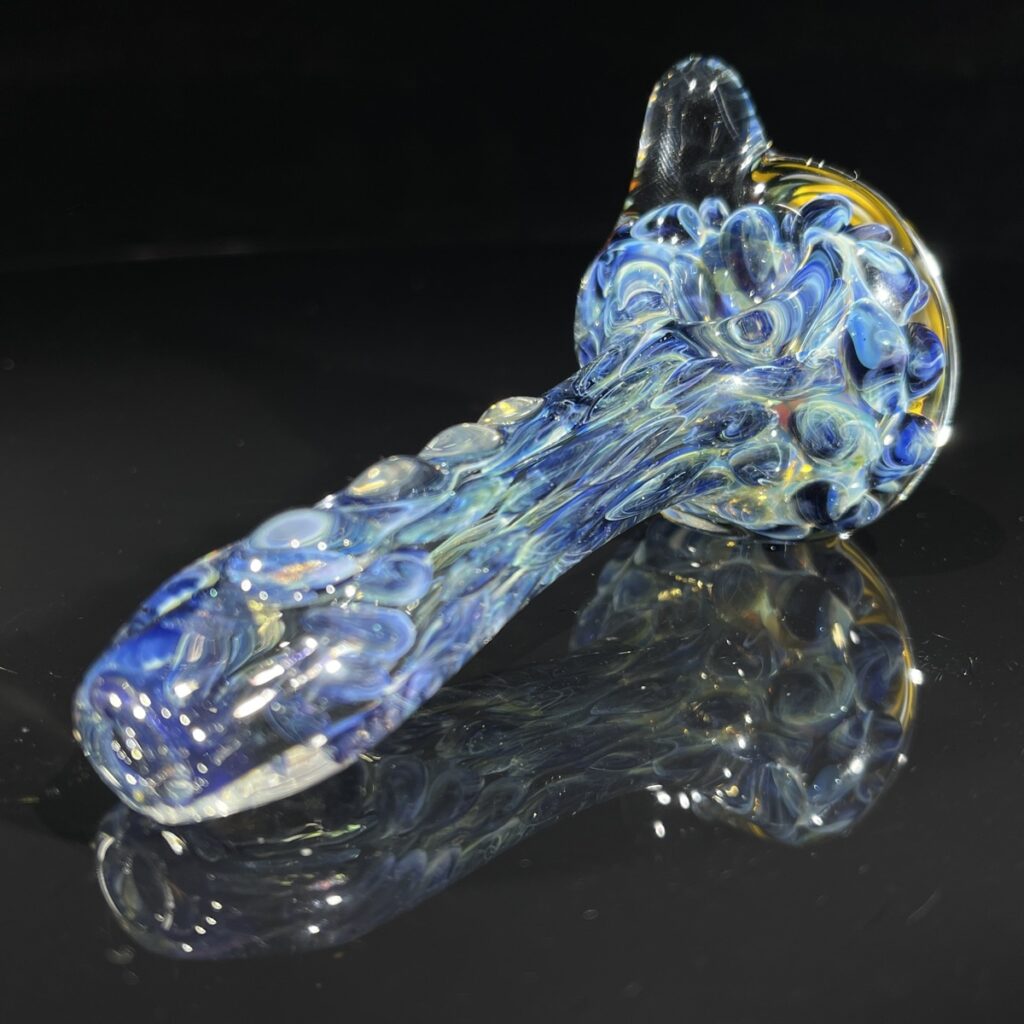
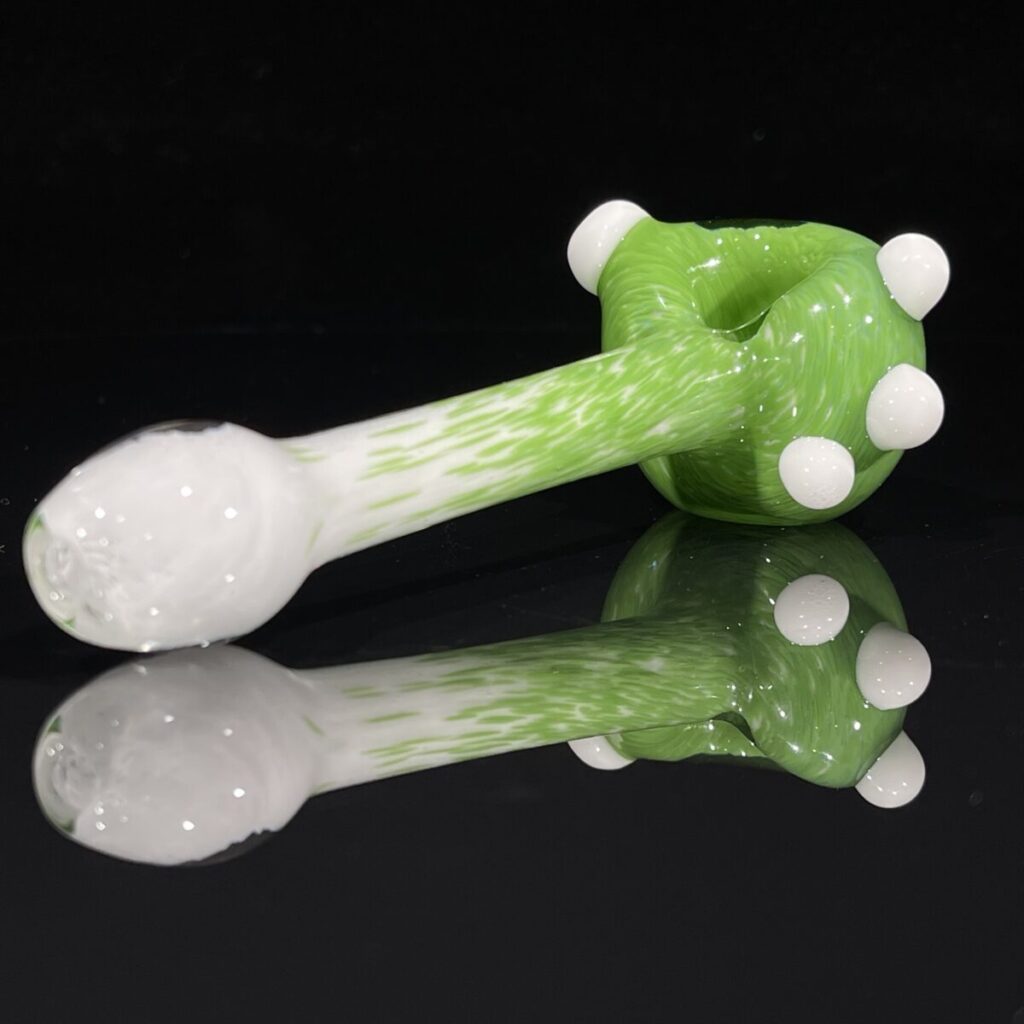
A spoon pipe is the classic handheld dry pipe most smokers immediately recognize. It typically features a bowl for holding flower, a mouthpiece, and a side carb hole that allows the user to control airflow while smoking. The shape loosely resembles a spoon when viewed from the side, which is where the modern industry term originates.
Over time, a handful of relatively standardized names emerged:
Some of these terms overlap. All spoon pipes are hand pipes, for example, but not all hand pipes are spoon pipes. Likewise, a spoon pipe is a type of dry pipe, though the category also includes Sherlocks, chillums, steamrollers, and one-hitters.
As the glass industry matured and cannabis legalization expanded, these names became the closest thing to a standard vocabulary.
The Bowl Era
For many smokers during the 1990s and early 2000s, the word “bowl” often referred to the entire pipe rather than just the chamber that held the flower.
You might hear phrases like:
- “Grab the bowl.”
- “Where’s the bowl?”
- “Bring your bowl.”
- “I got a new bowl yesterday.”
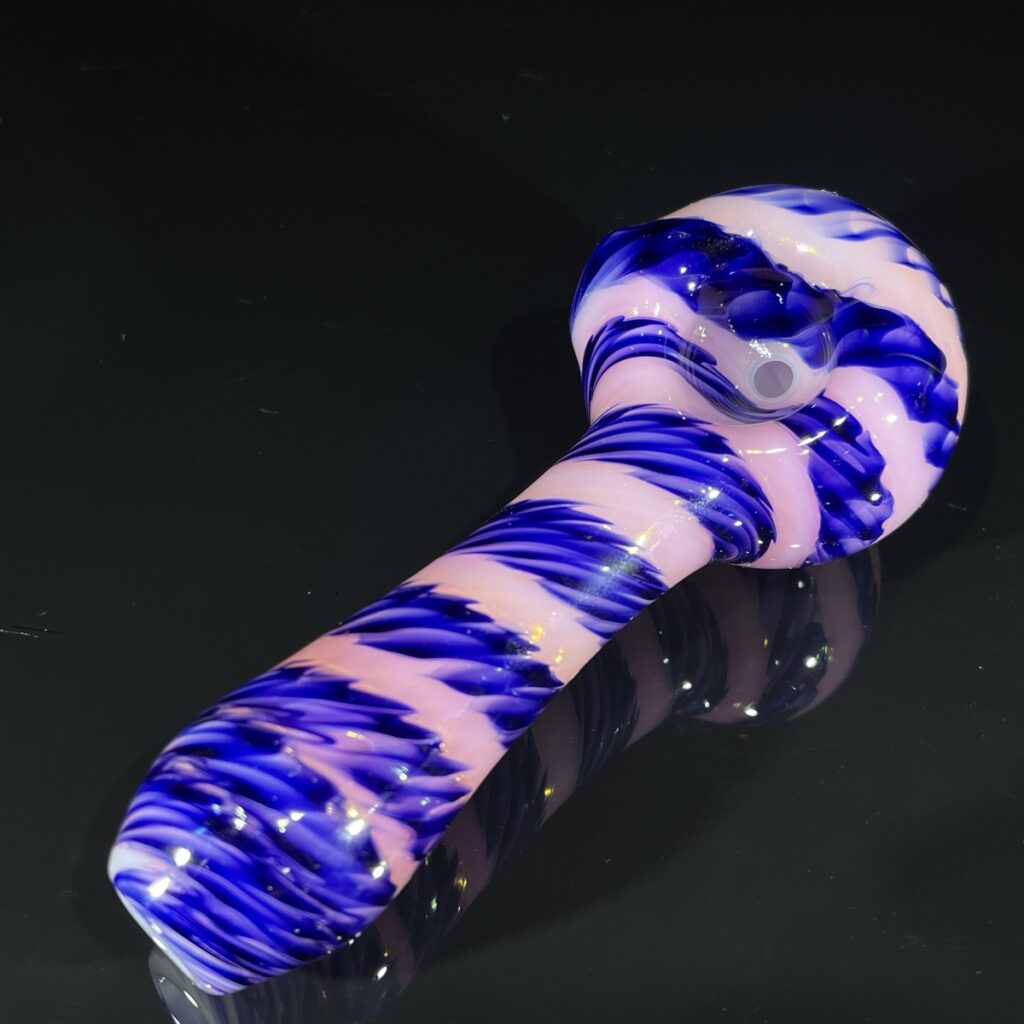
Technically, the bowl is only one part of the pipe, but language rarely follows technical definitions. In countless smoking circles, the term became shorthand for the entire piece.
Several related variations became common as well:
The popularity of these names likely came from simplicity. The bowl was the functional heart of the pipe, so it naturally became the name many people used for the entire object.
Pieces, Glass, and New Glass Day
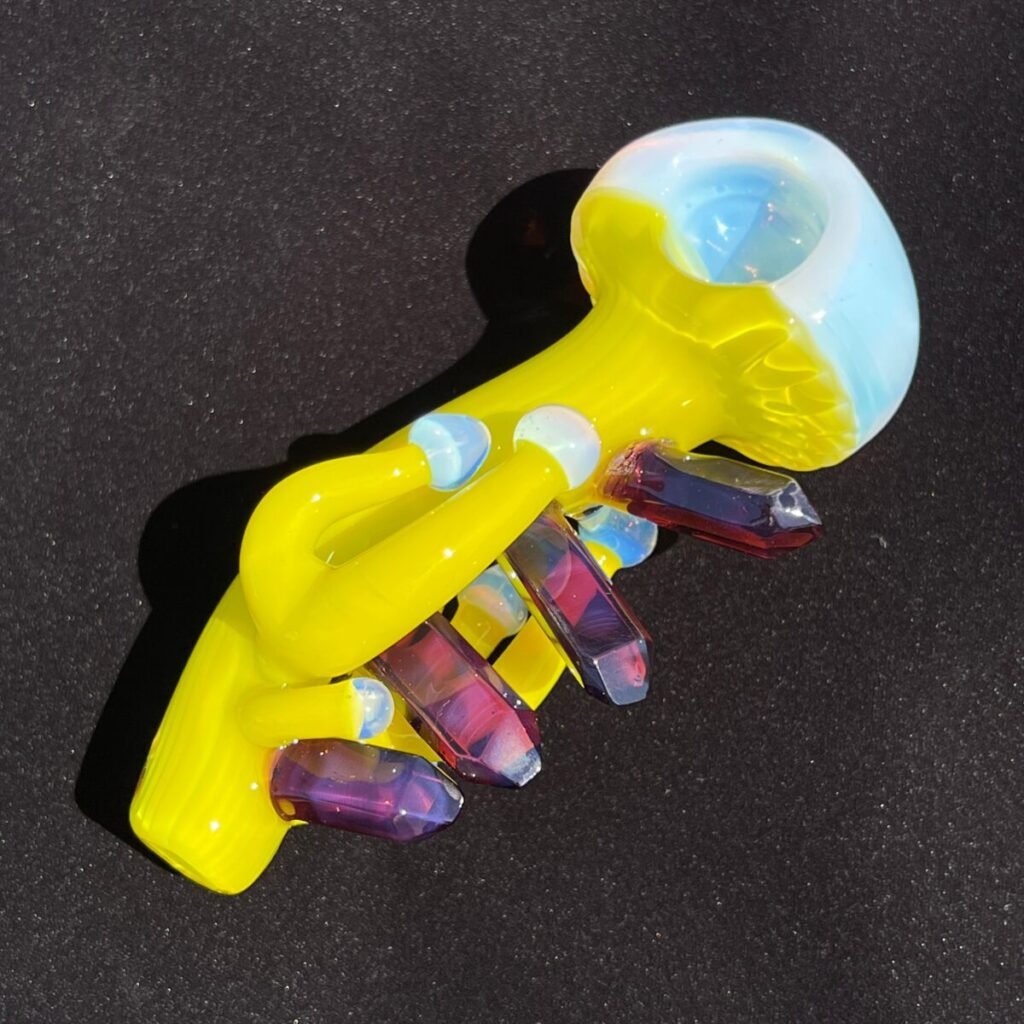
If bowl was one of the most common names for a spoon pipe, piece may have been the most versatile.
A piece could be a spoon pipe, a bong, a bubbler, a chillum, or almost any other smoking device. The word became a universal catch-all that crossed regional and generational boundaries.
Common phrases included:
“I picked up a new piece.”
“Pass the piece.”
“That’s a nice piece.”
Closely related was the term glass.
Originally, glass simply described the material. Over time, however, it began to describe the artwork itself. As American borosilicate artists pushed the medium forward, collectors increasingly referred to their acquisitions as glass rather than pipes.
That tradition survives in phrases such as “new glass day,” a celebration familiar to many collectors whenever a new piece arrives.
Knucklebones, Bones, and Knuckles
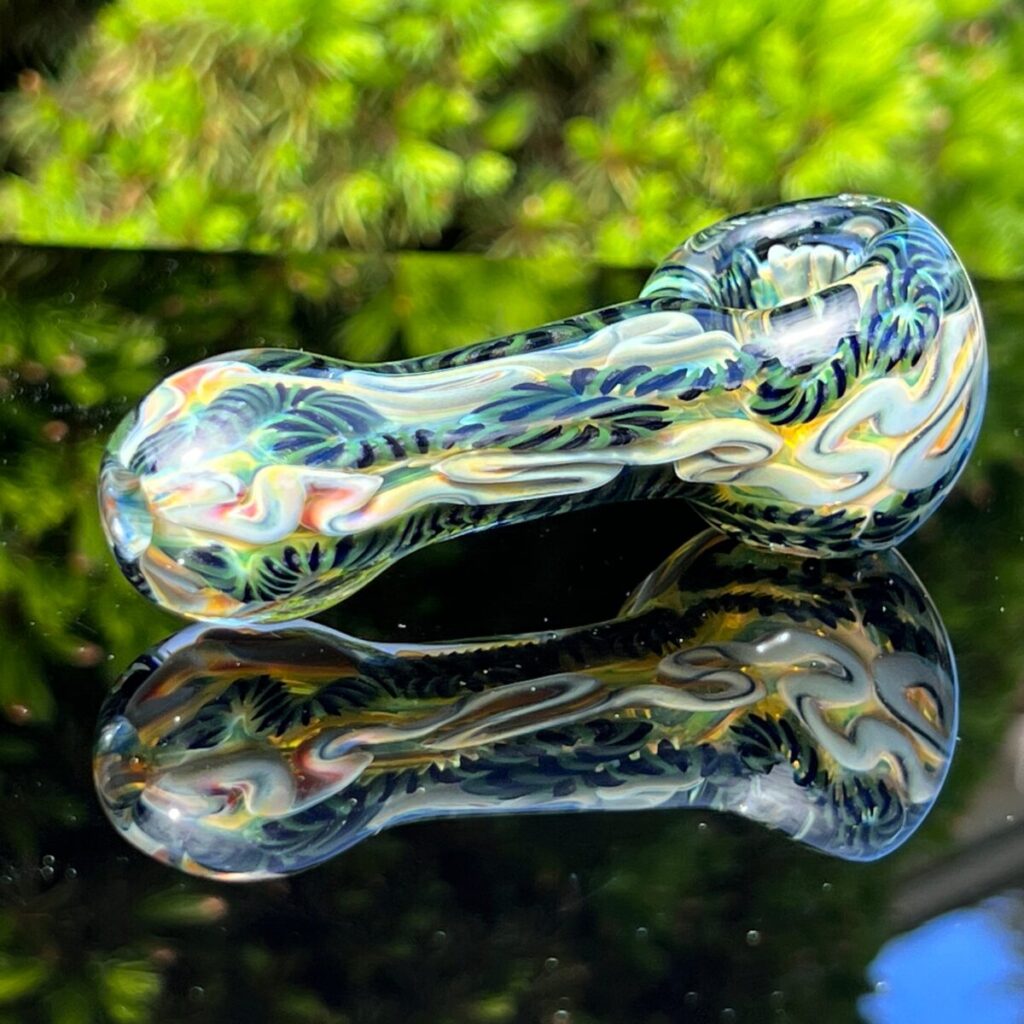
Some of the most colorful spoon pipe slang likely originated from the shape of the pipe itself.
Small spoon pipes often feature two rounded ends: the bowl on one side and the mouthpiece on the other. Viewed from certain angles, they can resemble a cartoon bone or the knucklebones used in traditional games.
From that resemblance came a family of slang terms that appeared in various communities over the years:
Unlike terms such as bowl or piece, these names never became truly universal. They tended to exist within specific regions, friend groups, and local smoking cultures before spreading outward through word of mouth.
Part of their appeal may have been their ambiguity. To outsiders, someone talking about bones or knuckles could easily be discussing something entirely unrelated to cannabis.
Burners, Tobacco Pipes, and the Language of Prohibition
Not every spoon pipe nickname originated from the shape of the pipe.
Some came from the legal realities surrounding cannabis itself.
Before legalization, many smokers preferred broad, informal language when discussing smoking accessories. Terms such as burner, pipe, and piece were common because they were simple, familiar, and often less specific.
At the same time, head shops and smoke shops frequently marketed spoon pipes under names such as:
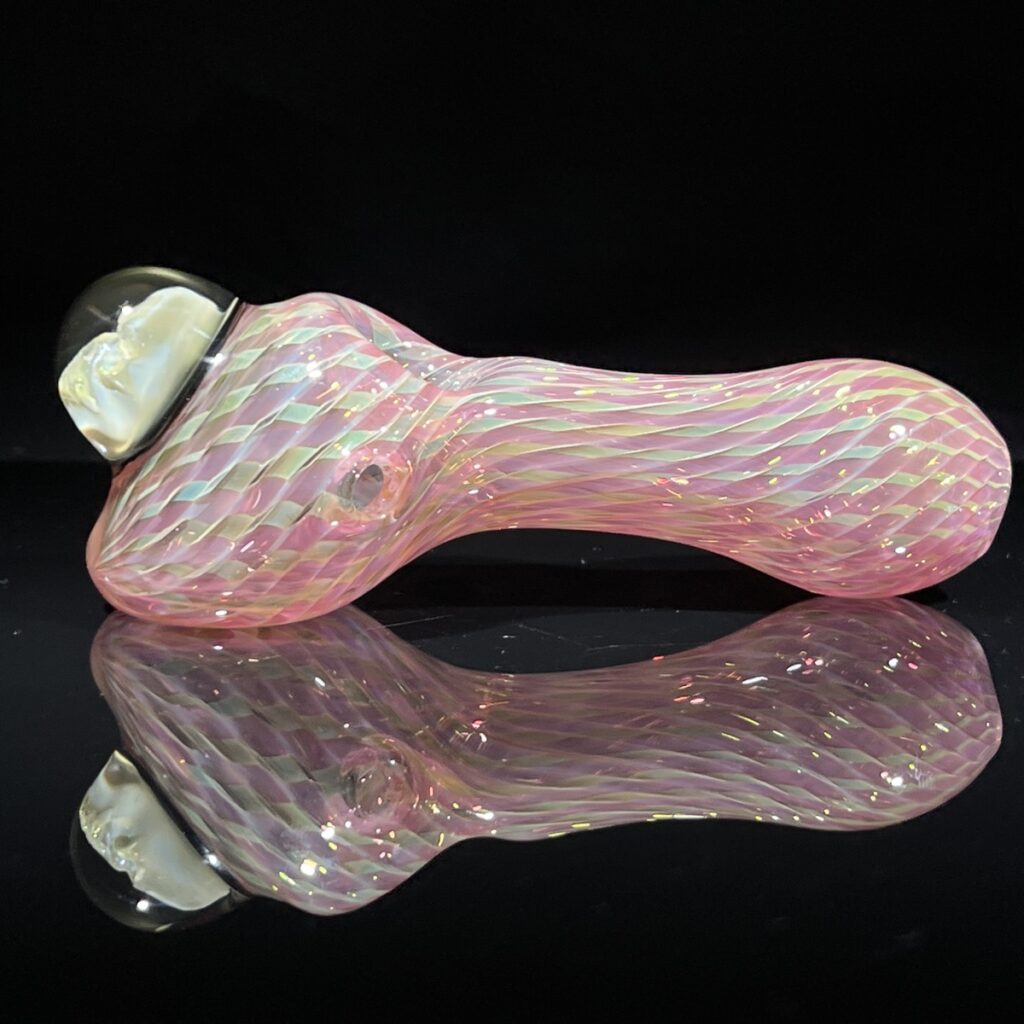
Of these, tobacco pipe may be the most interesting.
In reality, very few people were buying colorful borosilicate spoon pipes specifically for tobacco. The term largely existed as a legal distinction rather than a practical one. Referring to a spoon pipe as a tobacco pipe allowed retailers to describe the product in a way that aligned with local regulations, even when everyone involved understood its intended purpose.
The practice became so widespread that many smokers adopted the terminology themselves. Even today, shoppers in areas with stricter cannabis laws may still encounter spoon pipes marketed as tobacco pipes or herb pipes despite being identical to products sold elsewhere as spoon pipes.
Together, these names reflect a period when cannabis terminology was shaped not only by culture and slang, but also by the legal environment of the time.
The Color Changer Era
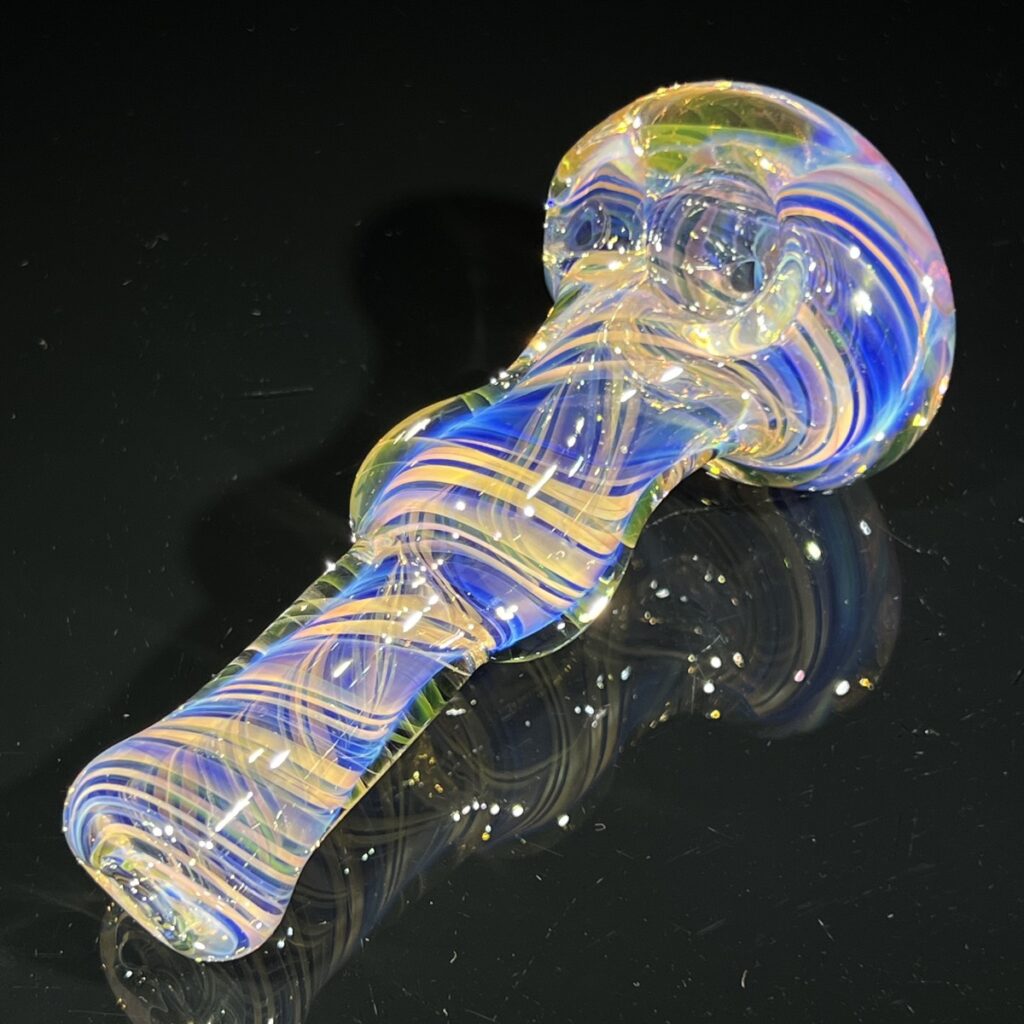
For a generation of smokers, one of the most memorable spoon pipe names had nothing to do with shape at all.
It was all about color.
Throughout the late 1990s and early 2000s, fumed glass pipes became incredibly popular. By introducing precious metals such as silver or gold during the glassblowing process, artists created pipes that appeared to change color as they were used.
Many people began referring to these pipes simply as:
In some circles, color changer became so common that it overshadowed the actual pipe style. A smoker might proudly show off a new color changer without ever mentioning that it was technically a spoon pipe.
For many enthusiasts, these pipes represented their first introduction to artistic glass, and the nickname stuck.
Why Spoon Pipes Have So Many Names
The spoon pipe’s long list of nicknames reflects the history of cannabis culture itself.
For decades, there was no central authority deciding what pipes should be called. Terminology developed organically through local head shops, college campuses, music scenes, regional communities, and friend groups. Some names described the pipe’s shape. Others focused on its appearance, function, or cultural context.
The legal status of cannabis also played a role. In an era when head shops often marketed products as tobacco pipes or herb pipes, language naturally evolved to be flexible, informal, and sometimes intentionally ambiguous.
As legalization expanded and the modern glass industry matured, terminology gradually became more standardized. Terms such as spoon pipe, hand pipe, glass pipe, and dry pipe became widely accepted throughout the industry. Yet many of the older names never disappeared.
That’s why a longtime smoker might still refer to a spoon pipe as a bowl, a piece, a burner, bones, knuckles, or a color changer, while a newer enthusiast simply calls it a spoon.
The pipe itself has remained remarkably consistent for decades. The language surrounding it has continued to evolve, creating a surprisingly rich history for one of the simplest and most recognizable forms of glass smoking pipe ever made.
Questions About Spoon Pipes, Slang, and Glass Culture
Why are spoon pipes sometimes called tobacco pipes?
The term tobacco pipe became common during the prohibition era and before widespread cannabis legalization. Many retailers used labels such as tobacco pipe or glass tobacco pipe to comply with local regulations, even when the products were functionally identical to what most people now call spoon pipes.
Is a spoon pipe the same thing as a hand pipe?
A spoon pipe is a type of hand pipe, but the terms are not completely interchangeable. Hand pipes include several styles such as Sherlocks, chillums, steamrollers, hammers, and one-hitters, while a spoon pipe refers to the classic carbureted design most smokers recognize.
What is a color changer pipe?
A color changer is typically a fumed glass pipe made using precious metals such as silver or gold. As resin accumulates inside the pipe, the colors become more visible, creating the appearance that the pipe is changing color over time.
Why did people call spoon pipes bowls?
For many smokers during the 1990s and early 2000s, the bowl was viewed as the most important part of the pipe. As a result, the word bowl often became shorthand for the entire smoking device, even though the bowl technically refers to only one component.
Are terms like bones, knuckles, and burners still used today?
Some longtime smokers still use these terms, particularly within regions or social circles where they were once common. However, modern retailers and collectors generally prefer standardized terms such as spoon pipe, hand pipe, or glass pipe.
What is the most accurate name for a classic glass spoon?
Today, spoon pipe is generally considered the most specific and widely accepted term. It clearly distinguishes the design from other types of hand pipes while remaining familiar to artists, collectors, retailers, and everyday smokers alike.