Glass Bubblers 101: Choosing, Caring For, and Getting the Most From Your Bubbler
If you’re reading this, chances are you’re thinking about purchasing your first bubbler. Or maybe you already have one and it’s your favorite daily driver. Maybe you’ve noticed that some bubblers hit smoother than others. Or perhaps you’ve started looking at higher-end pieces and wondering why two bubblers that appear similar can have dramatically different prices.
Our guide to glass bubblers covers the basics. We’ll explore how bubblers are designed, what separates a great bubbler from an average one, and how to get the most from the piece you already own.
Why Bubblers Never Went Away
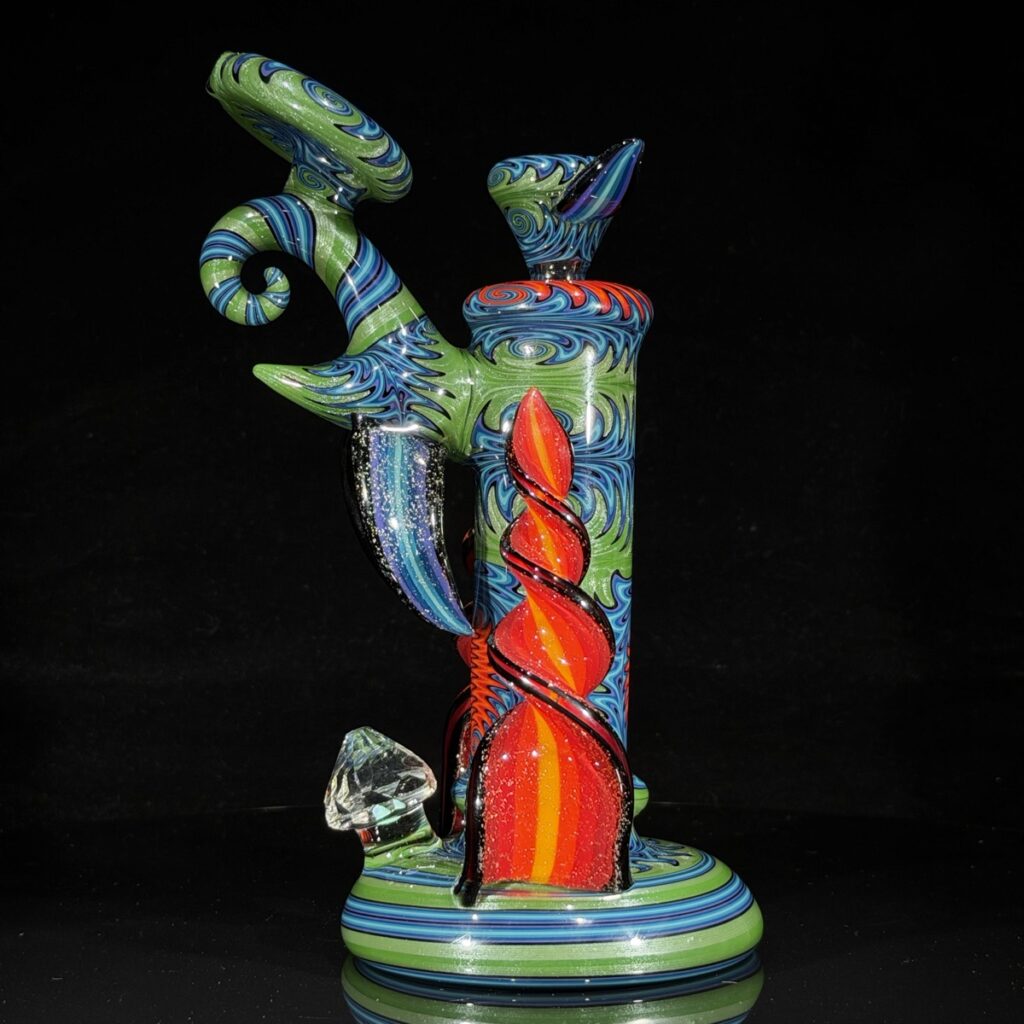
Cannabis glass has evolved dramatically over the last several decades. Scientific percolators, recyclers, terp slurpers, and countless other innovations have changed the landscape of functional glass.
Yet the bubbler remains one of the most popular forms of smoking glass.
Why?
Because bubblers solve a problem that no other style of piece solves quite as well.
Dry pipes are convenient but can become harsh during longer sessions. Bongs provide exceptional filtration but require more space, more maintenance, and greater care during transport. Bubblers sit directly between those two extremes, delivering water filtration in a compact package that is easy to use almost anywhere.
For many smokers, a bubbler isn’t a compromise. It’s the ideal balance between performance and convenience.
Understanding the Different Types of Bubblers
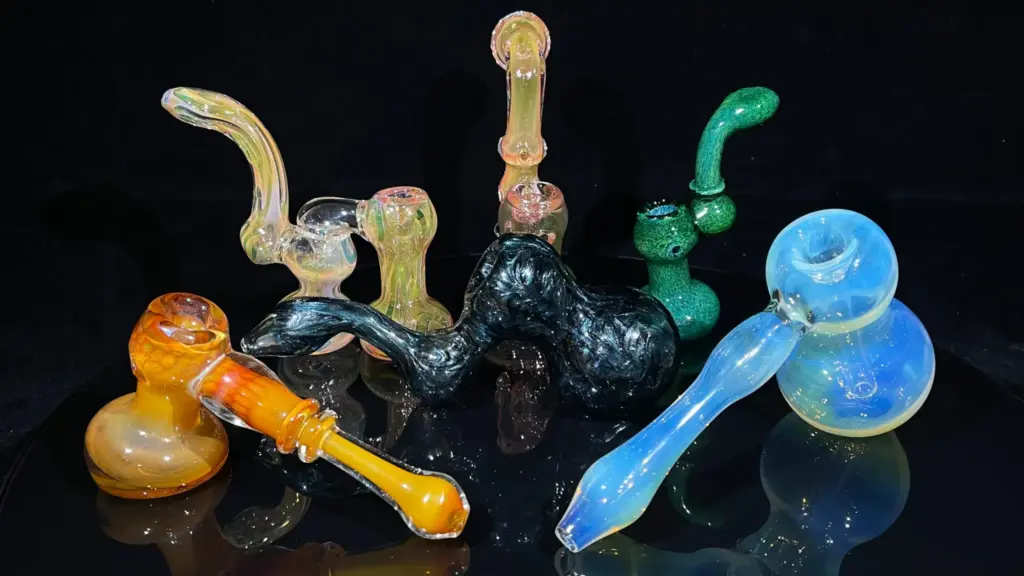
Not all bubblers are designed for the same purpose, and each style has specific defining characteristics and construction. Every artist has distinct styles and shapes, snd many pieces blend features from style with another, but in general bubblers will fall into one of the following categories.
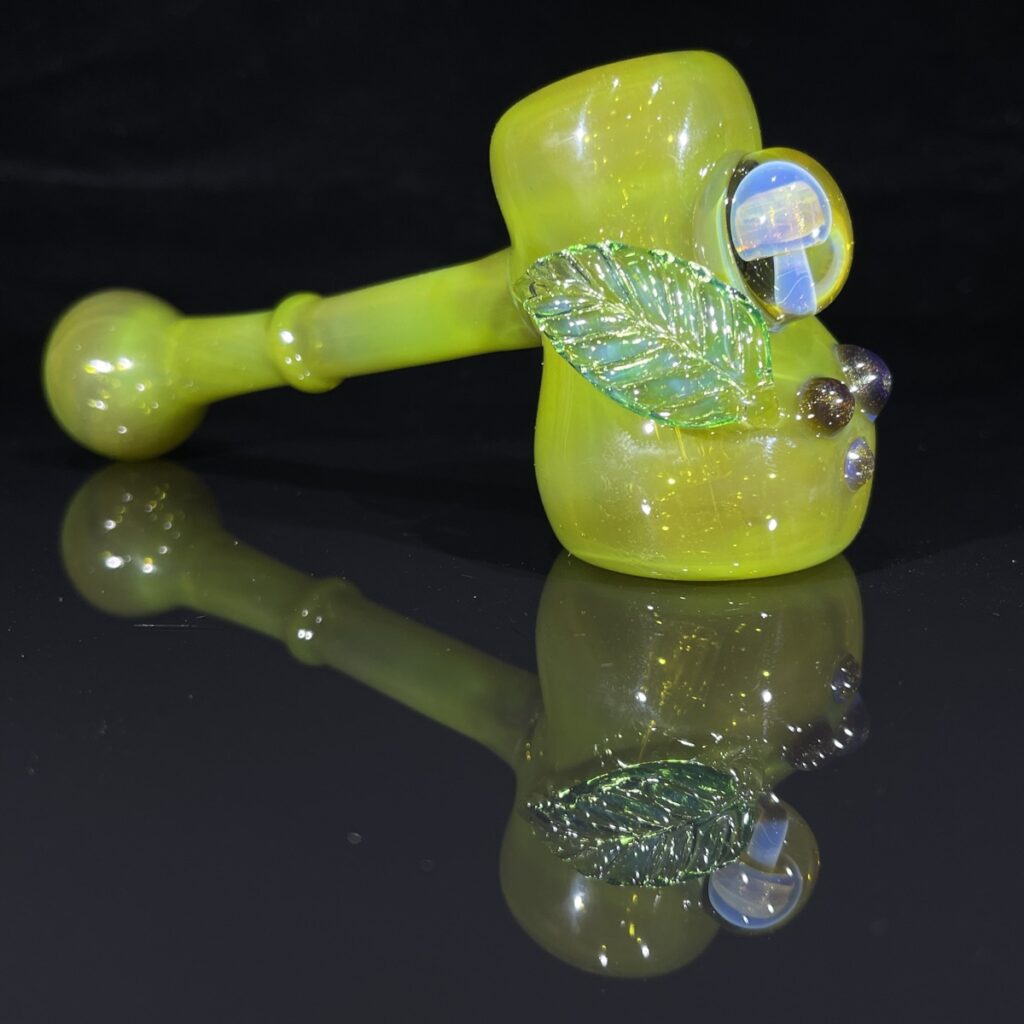
Hammer Bubblers
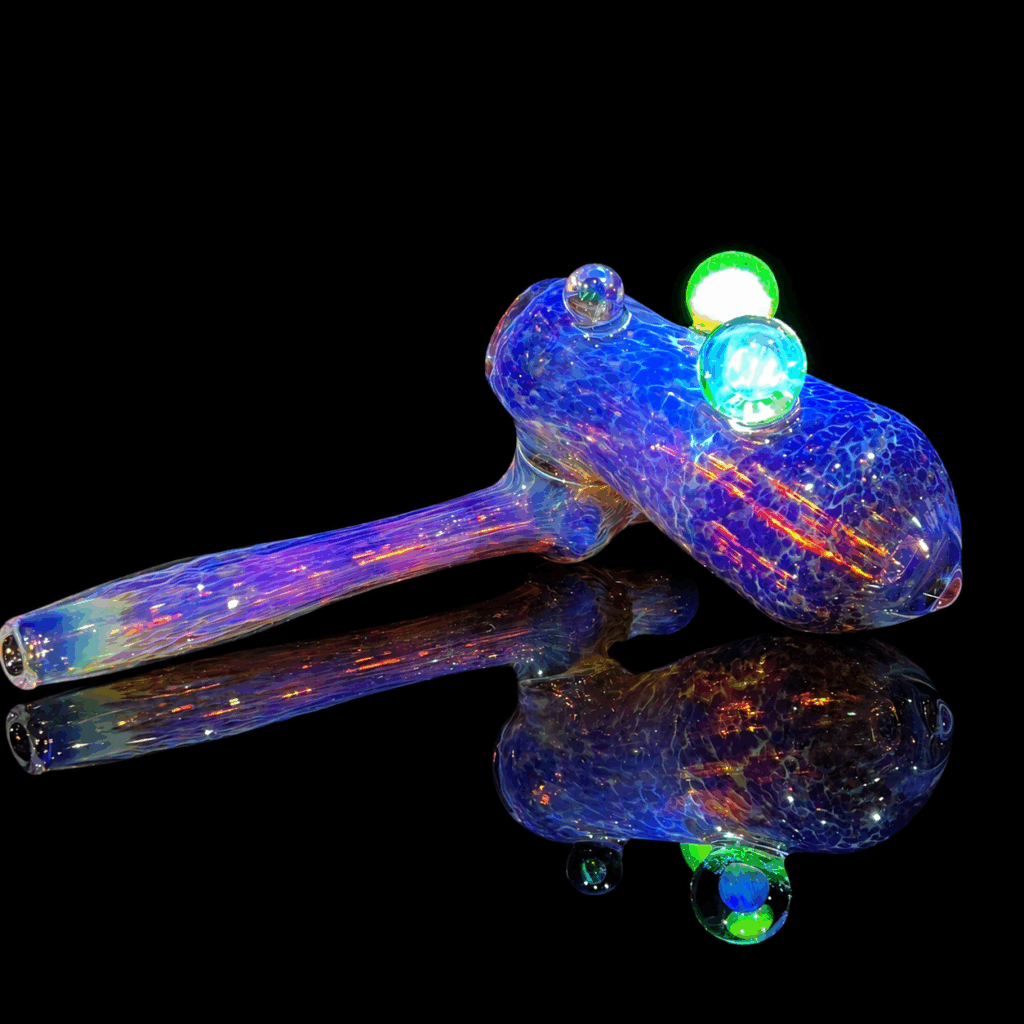
Hammer bubblers are among the most common designs you’ll encounter. Their wide base allows them to sit securely on a flat surface, making them a popular choice for everyday use. Because the water chamber typically sits low in the piece, hammer bubblers often provide excellent stability and predictable function. Hammer bubblers often feature large cans with long stems, and tend to lay flat.
Sherlock Bubblers
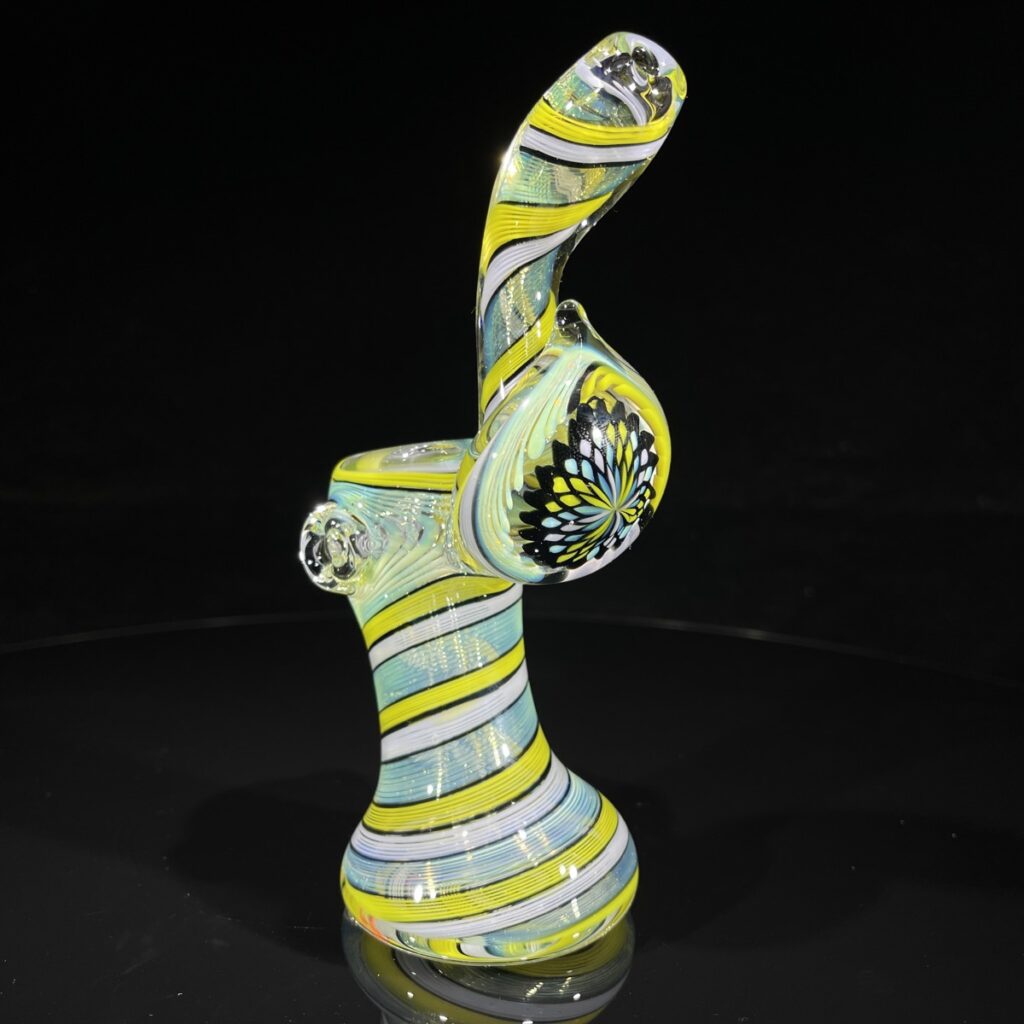
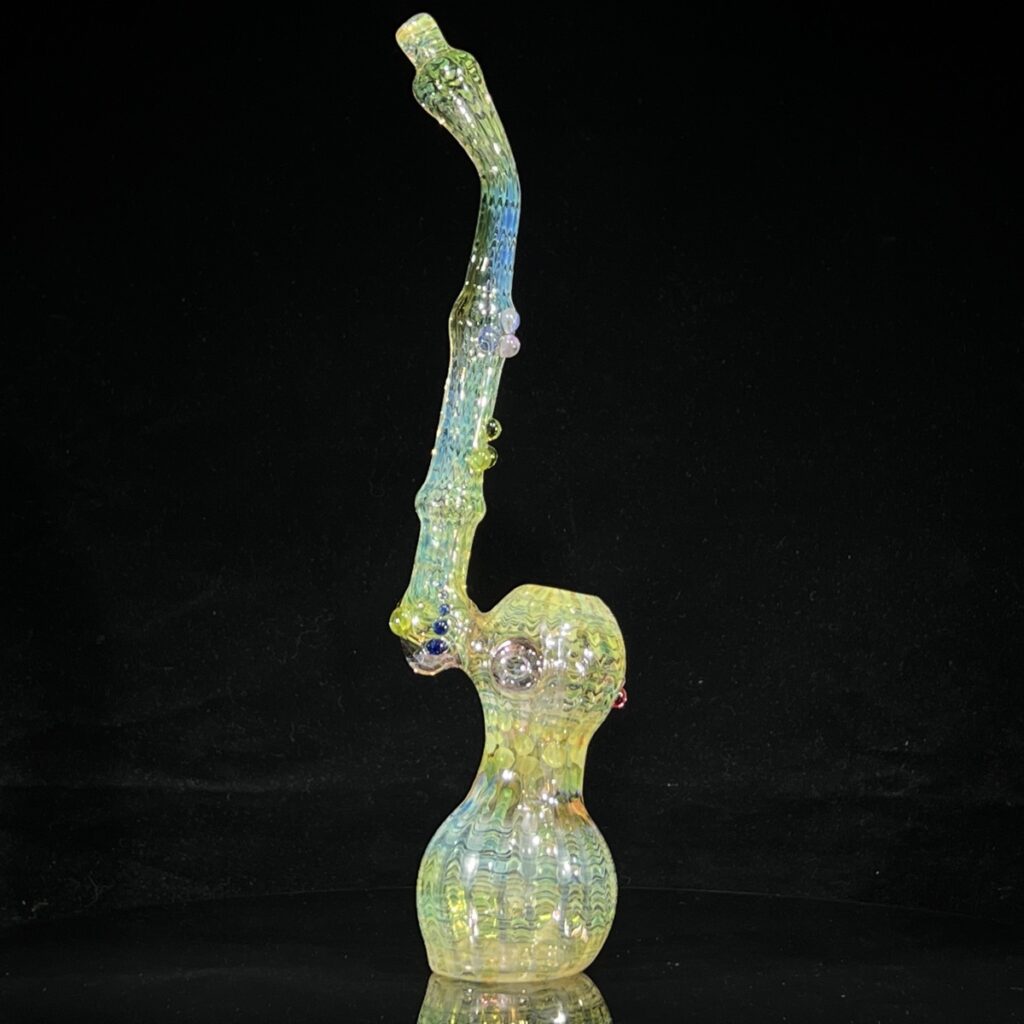
Sherlock bubblers combine water filtration with the classic silhouette of a Sherlock pipe. The curved neck creates a comfortable smoking angle and often places the mouthpiece farther from the bowl. Many collectors appreciate Sherlock bubblers because they blend traditional aesthetics with modern functionality. Sherlock bubblers tend be ‘stand up’ models, meaning the piece stands upright on the can instead of laying back like a hammer. A common variation of the upright Sherlock is a layback Sherlock. This layback design lays flat like a Hammer, but is smoked upright.
Sidecar Bubblers
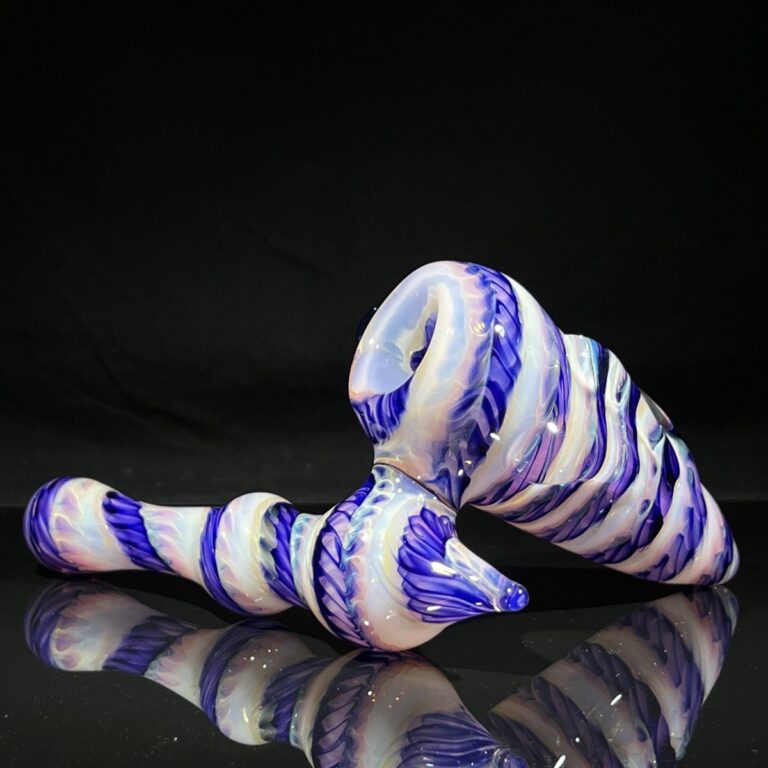
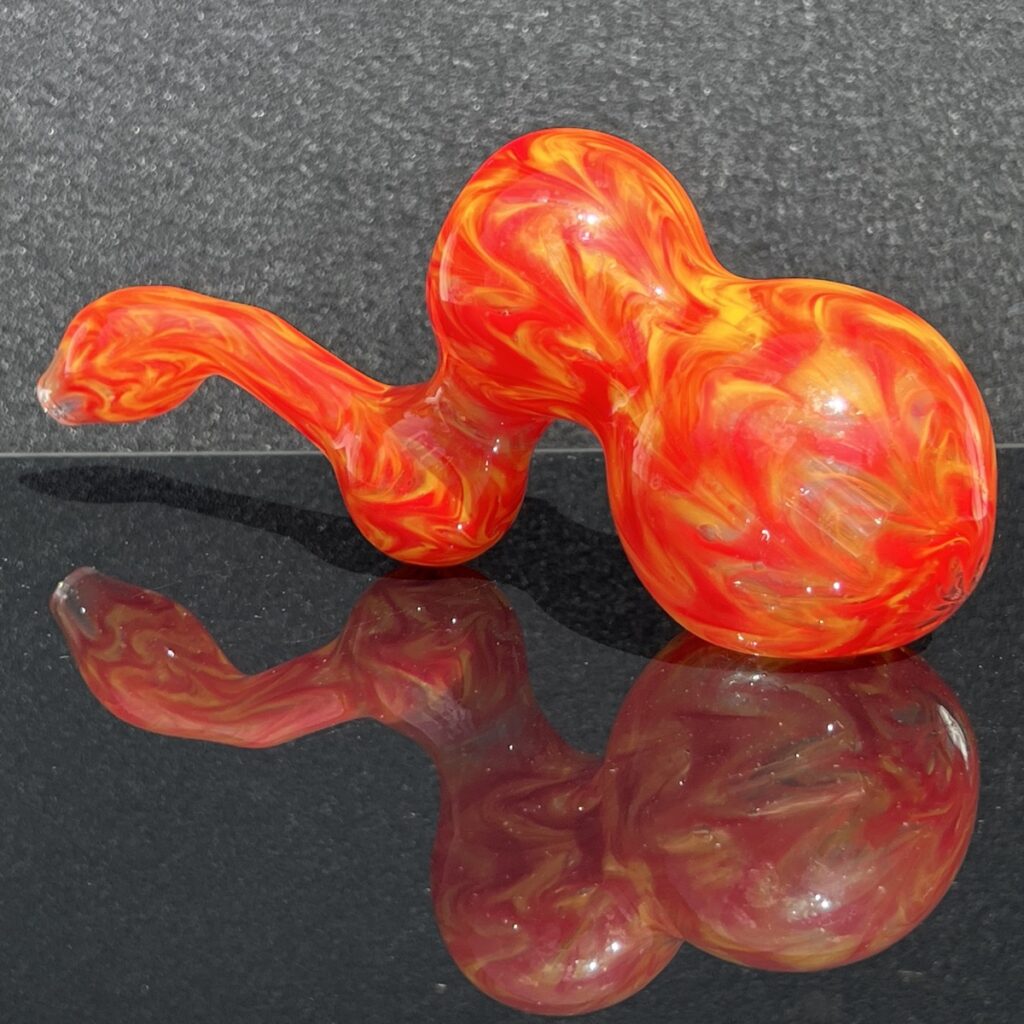
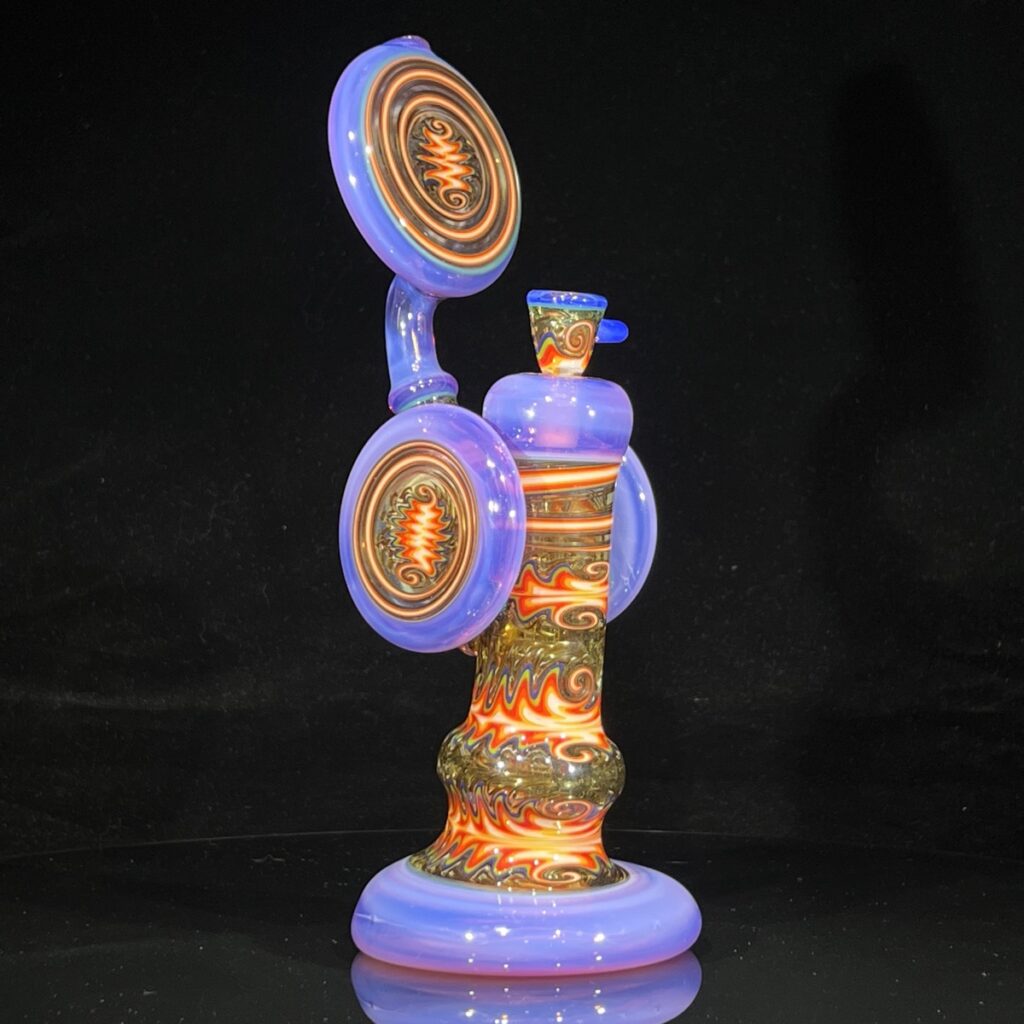
Sidecar bubblers move the mouthpiece to one side of the chamber rather than directly above it. This seemingly simple change can significantly reduce splashback while also creating a unique visual profile. Many experienced users specifically seek out sidecars because of the comfortable smoking experience they provide. Sidecar bubblers are less symmetrical than other styles by design, and often have different methods of standing, or laying over on their side, depending on the artist’s preference.
Scientific Bubblers
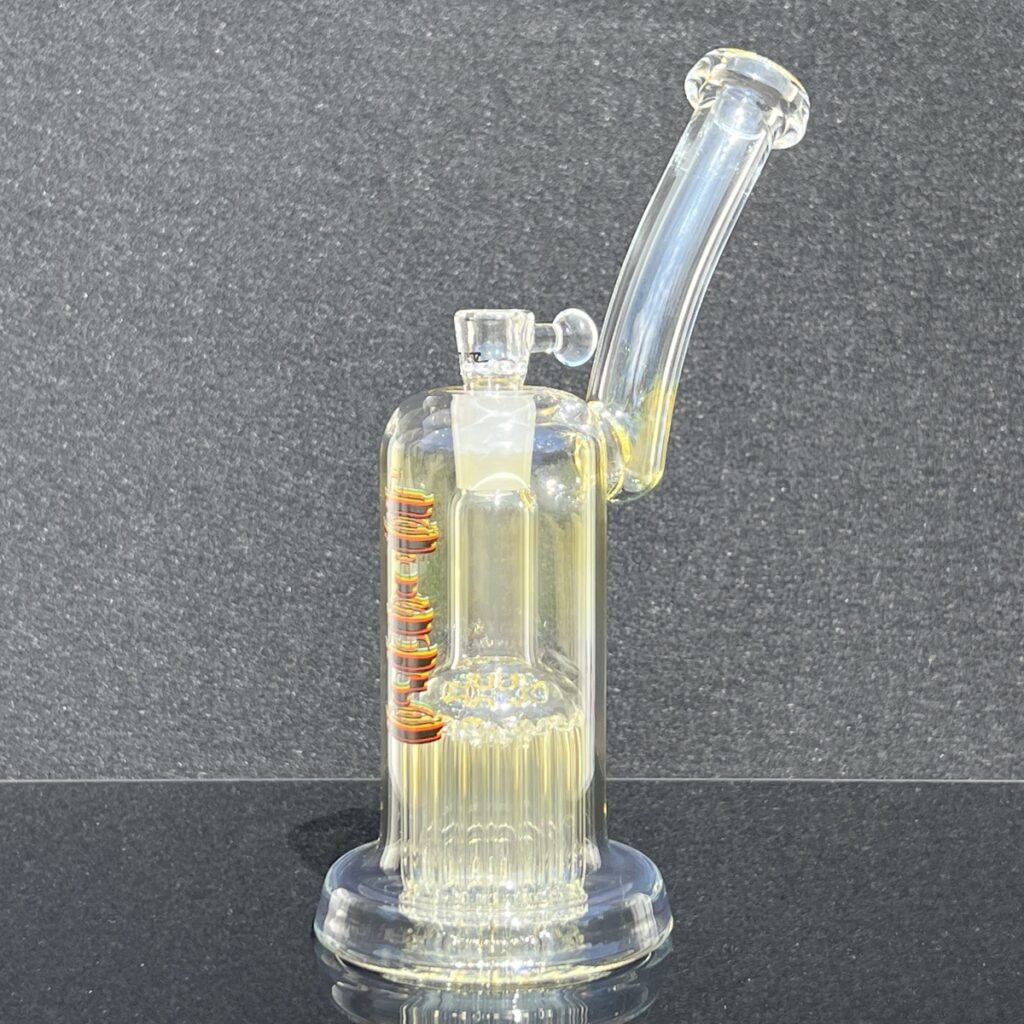
Scientific bubblers focus less on sculptural form and more on airflow, diffusion, and performance. These pieces often feature cleaner lines, precision joints, and advanced diffusion methods. For users who prioritize function above all else, scientific bubblers can deliver performance that approaches larger water pipes while remaining relatively compact. While most bubblers feature fixed bowls, scientific bubblers often feature removable bowl slides.
What Makes One Bubbler Better Than Another?
New smokers often judge bubblers primarily by appearance.
Experienced smokers usually evaluate them differently.
Function comes first.
A well-designed bubbler should draw easily without requiring excessive effort. The airflow should feel natural, the water level should be easy to maintain, and the chamber should clear efficiently after each hit.
Balance also matters more than many people realize. A beautiful piece that tips over easily is less enjoyable to own than a slightly simpler piece that feels stable and secure.
Glass thickness is another consideration. While thicker glass does not automatically mean better glass, additional thickness can improve durability and make a piece feel more substantial in the hand.
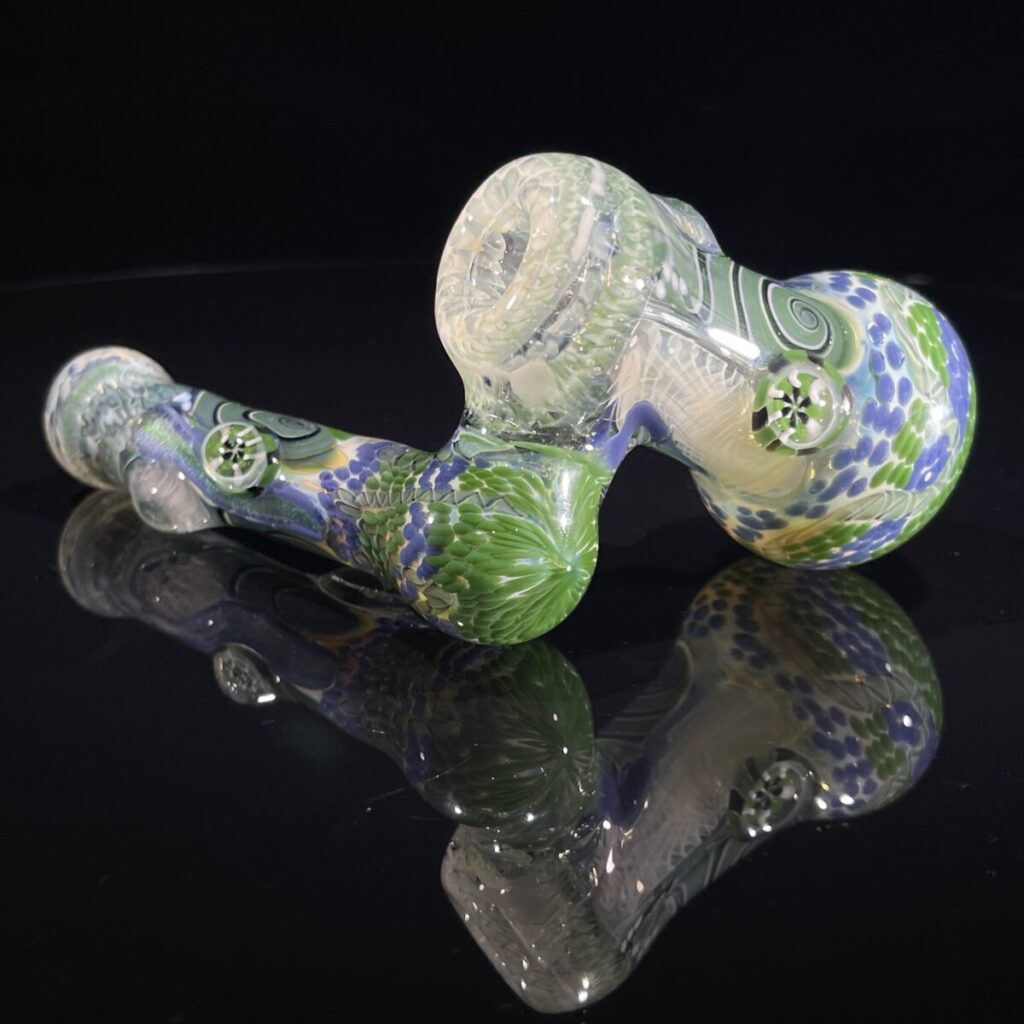
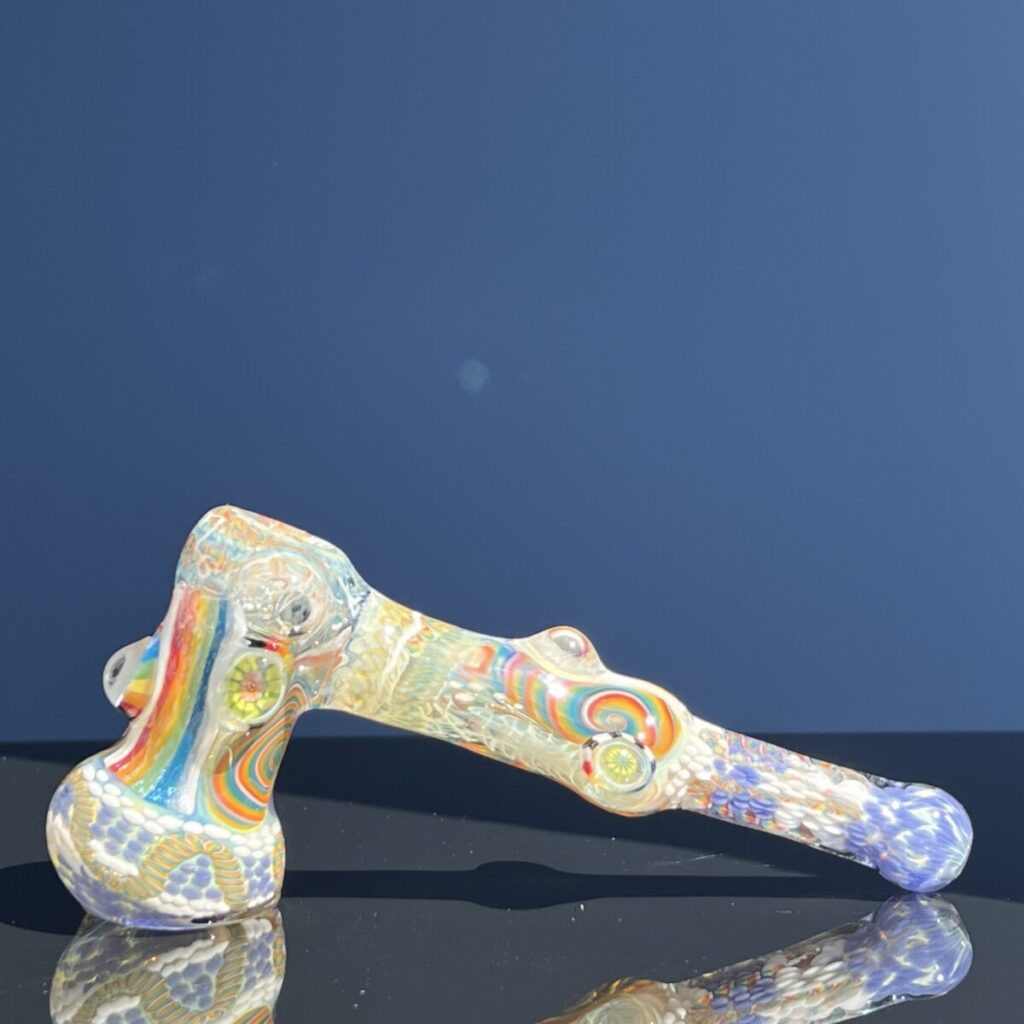
Finally, there is craftsmanship. Clean welds, smooth transitions, consistent shaping, and thoughtful design details often separate a production bubbler from a piece created by an experienced glass artist.
Common Bubbler Mistakes
Most bubbler complaints can be traced back to a handful of common mistakes.
The first is overfilling.
Many users assume more water means more filtration. In reality, excess water often creates splashback and can restrict airflow. A bubbler only needs enough water to properly submerge its diffuser, or downstem.
The second mistake is pulling too hard.
Because bubblers have smaller chambers than most bongs, they generally perform best with a slow, steady draw. Pulling aggressively can cause uneven combustion, draw ash into the chamber, and reduce overall smoothness.
Another common issue is allowing water to sit inside the piece for extended periods. Fresh water has a significant impact on flavor and cleanliness. Simply changing the water regularly can improve the smoking experience more than many users expect.
Finally, many people wait too long between cleanings. Once resin buildup becomes heavy, restoring a bubbler takes far more effort than maintaining it regularly.
Caring for Different Bubbler Styles
One of the realities of owning a bubbler is that some designs are easier to maintain than others.
Simple hammer bubblers and many scientific bubblers typically clean relatively easily because they contain straightforward airflow paths and fewer internal corners.
Sherlock bubblers often require slightly more attention due to their curved necks and complex shapes.
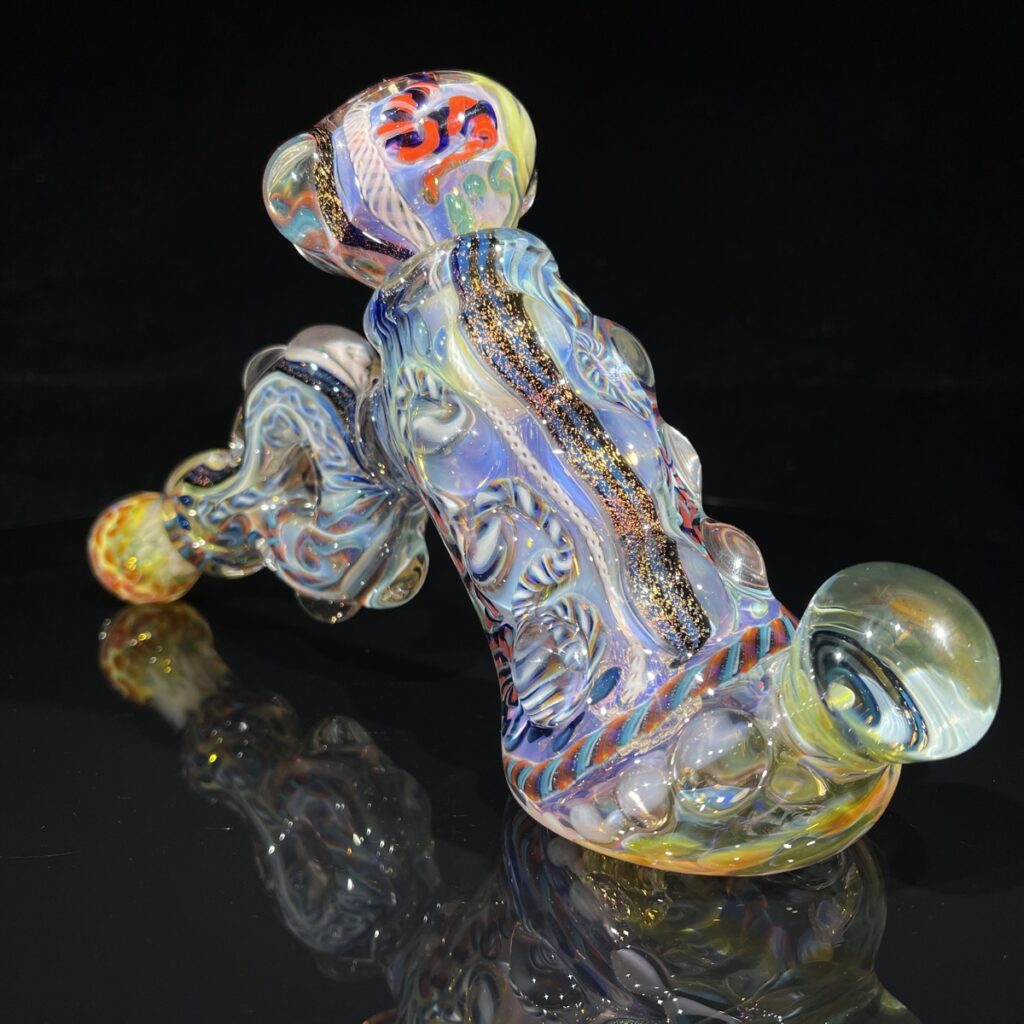
Highly worked artistic bubblers can present their own challenges. Sculptural attachments, multiple chambers, and intricate shaping may create additional areas where residue can accumulate.
When choosing a bubbler, it’s worth considering how much maintenance you’re willing to perform. The most visually impressive piece isn’t always the easiest one to keep pristine.
When a Bubbler Makes More Sense Than a Bong
Bongs often receive the most attention in discussions about smoking glass, but there are many situations where a bubbler is actually the better choice.
A bubbler is easier to store, easier to transport, and often easier to use for quick sessions. It provides water filtration without requiring the size and setup associated with larger water pipes.
For smokers who primarily enjoy solo sessions, a bubbler frequently offers all the filtration they need while remaining considerably more convenient.
This is why many experienced collectors own both. The bong comes out when maximum filtration is the goal. The bubbler comes out when convenience matters.
Final Thoughts
The longer someone spends around glass, the more they tend to appreciate thoughtful design.
A great bubbler isn’t simply a small bong or an upgraded hand pipe. It’s a carefully balanced piece of functional glass designed to deliver smooth, satisfying hits without sacrificing portability or simplicity.
Understanding the differences between styles, recognizing good function, avoiding common mistakes, and maintaining your piece properly will help you get more enjoyment from any bubbler you own.
If you’re still learning the basics, be sure to read our guide on How to Use a Glass Bubbler. Once you’ve mastered the fundamentals, the details covered here will help you choose better pieces, care for them properly, and appreciate the craftsmanship that goes into every well-made bubbler.
Still Choosing the Right Bubbler?
Are bubblers better than hand pipes?
Bubblers are usually smoother than dry hand pipes because the smoke passes through water before reaching you. They still keep the compact feel of a pipe, making them a good middle ground for shoppers who want water filtration without moving up to a full bong.
Do bubblers hit like bongs?
Bubblers can offer a smooth, water-filtered hit, but they usually have smaller chambers than bongs. That makes them easier to handle and store, while bongs are better for larger pulls and stronger water pipe performance.
What kind of bubbler is best for beginners?
A simple hammer bubbler or sherlock bubbler is often the easiest place to start. Look for a stable shape, comfortable mouthpiece, manageable bowl size, and a design that is not too difficult to clean.
How much water should I put in a bubbler?
Add enough water to cover the downstem or perc openings, then test the draw before packing the bowl. If water reaches your mouth, pour a little out. If there is little bubbling or filtration, add slightly more.
Are glass bubblers hard to clean?
Bubblers can be slightly harder to clean than dry pipes because of their water chambers, but regular rinsing helps prevent buildup. For best results, empty the water after use and clean the piece before residue becomes heavy.
What should I look for when buying a glass bubbler?
Pay attention to stability, airflow, bowl size, mouthpiece comfort, glass thickness, and how easy the piece will be to clean. Collectors may also want to consider artist-made details, color work, sculptural elements, and overall display value.