How to Use a Hash Hammer: Hot-Wand Technique, Hash Types & Cleaning
Getting the Best Results From Your Hash Hammer
Hash hammers aren’t difficult to use, but they do take a little more technique than a conventional dry pipe. Instead of putting flame directly to the bowl, you’re heating a wand and using that stored heat to work the hash.
If you’re completely new to the style, start with our Glass Hash Hammer Pipes: A Guide to the Best Hash Consumption Tools. That guide covers what a hash hammer is, why the bowl looks unusual and where the design comes from. This guide focuses on how to use a hash hammer: loading it, heating the wand, finding the right temperature, choosing your hash and keeping the piece clean.
How Is Using a Hash Hammer Different From a Regular Pipe?
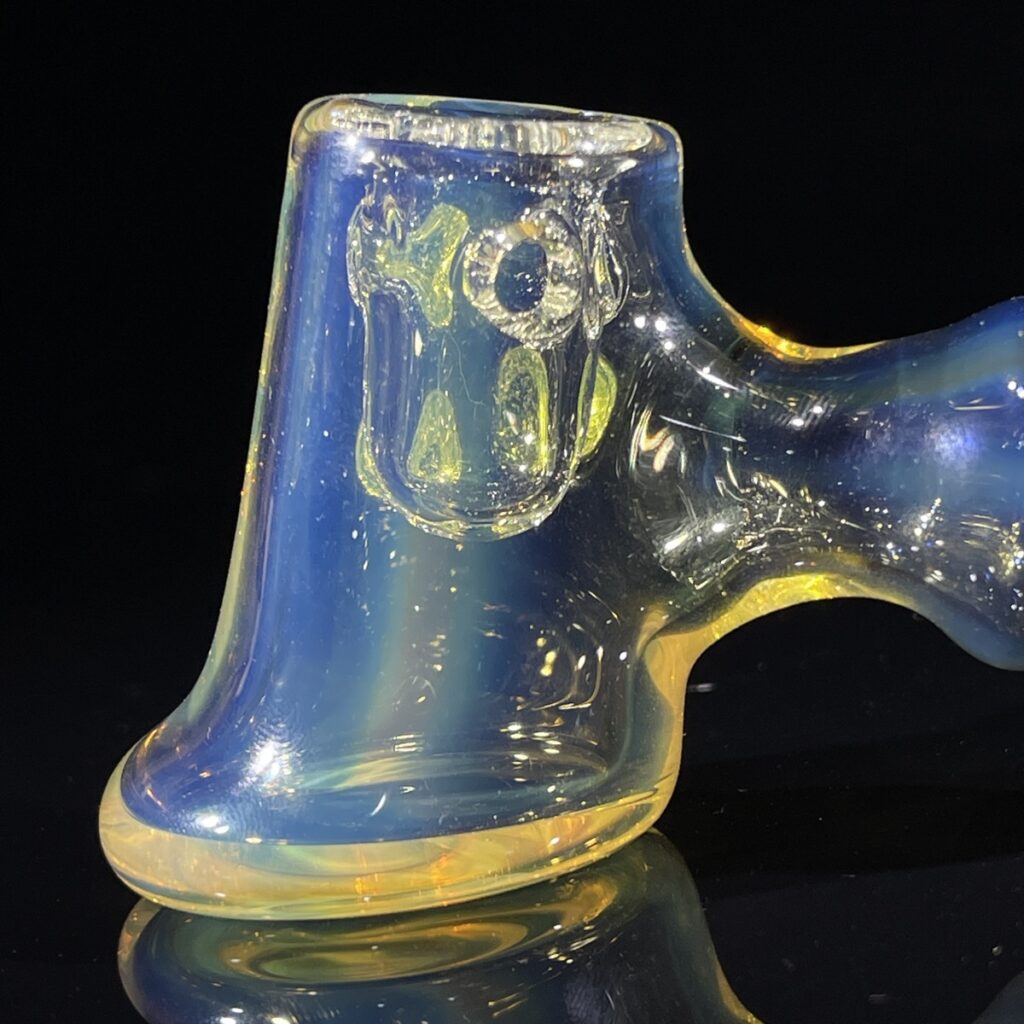
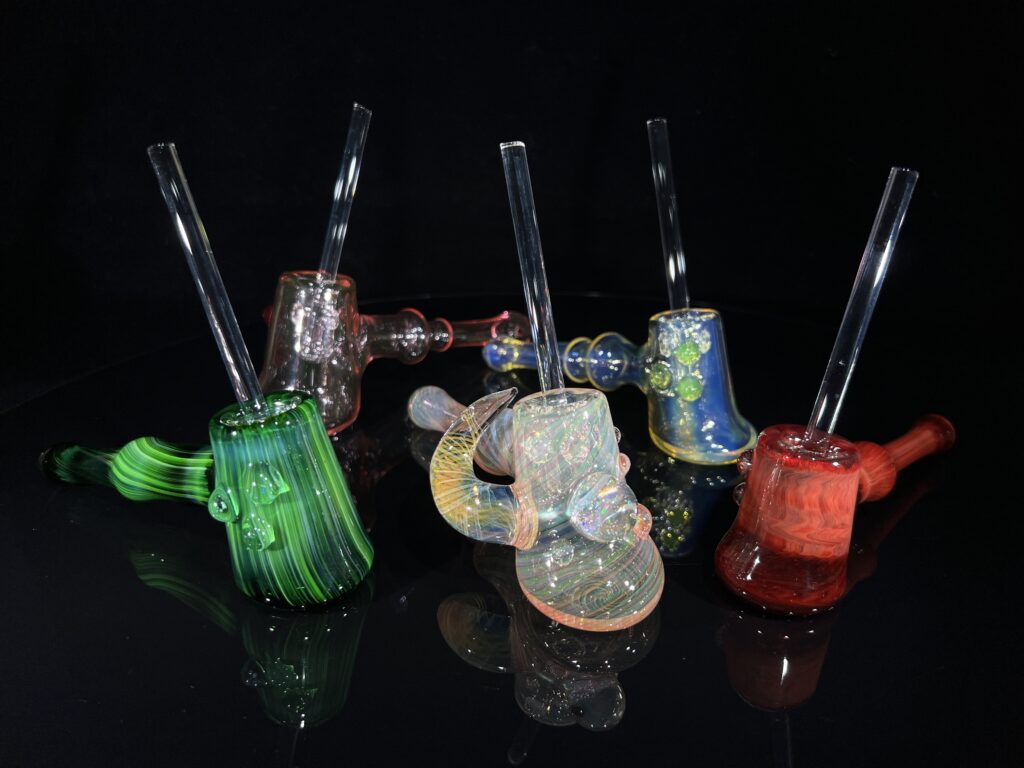
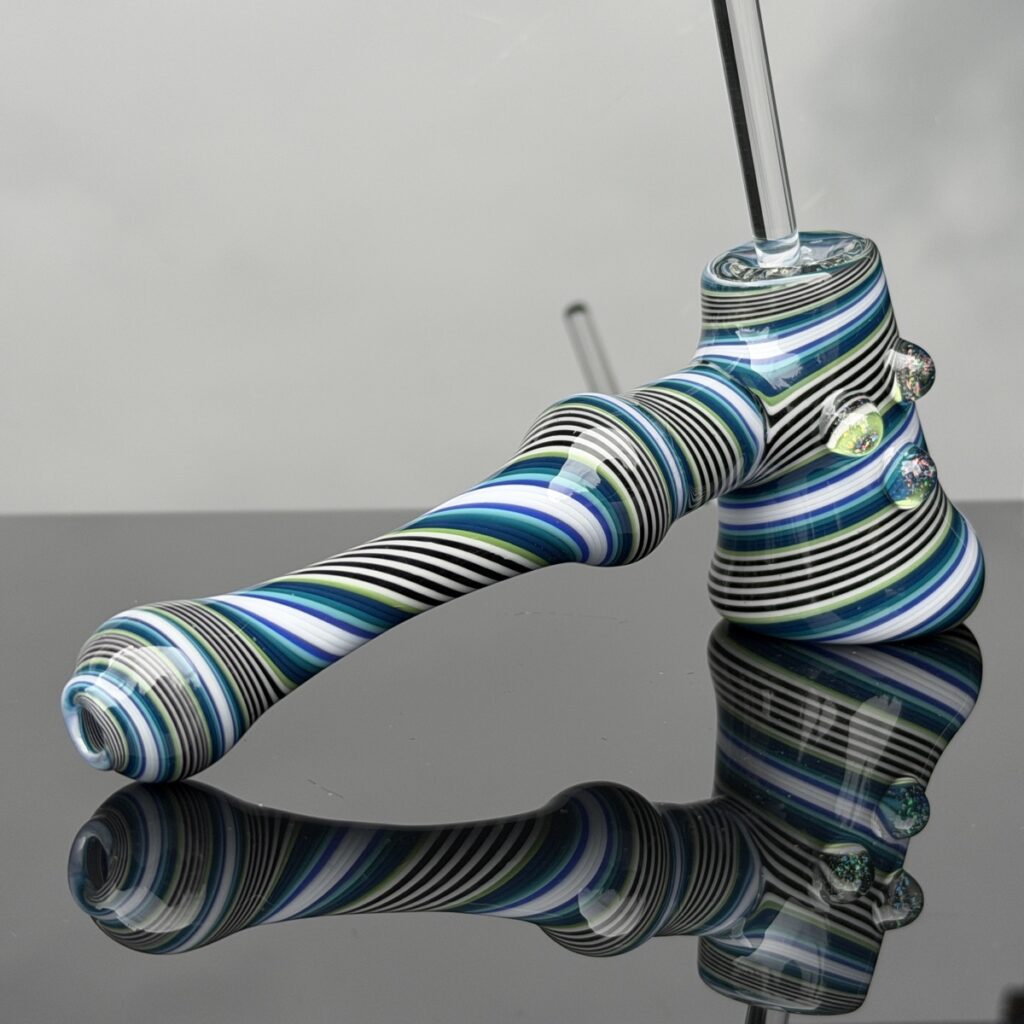
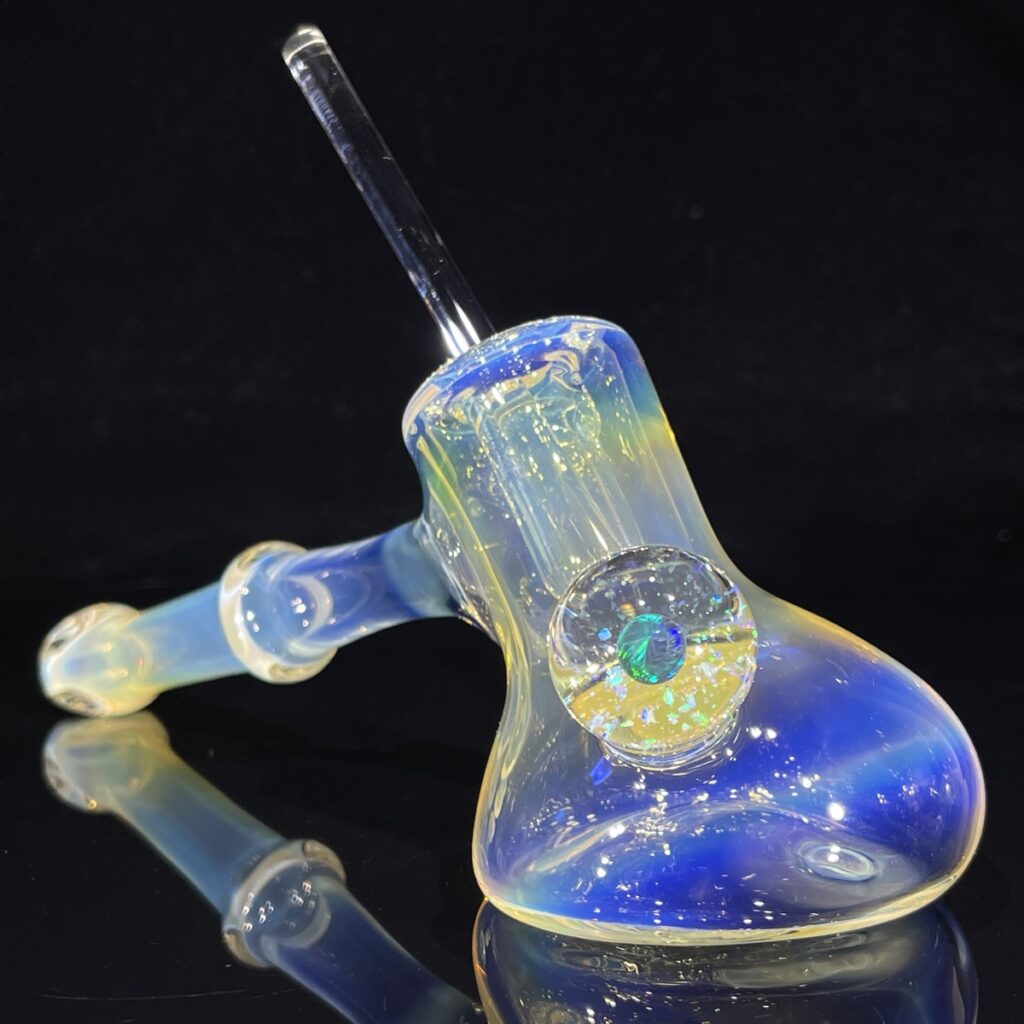
A hash hammer uses a solid-bottom bowl with its air intake positioned above the hash rather than directly underneath it. This allows melted material to stay in the bowl while you work it with a heated wand.
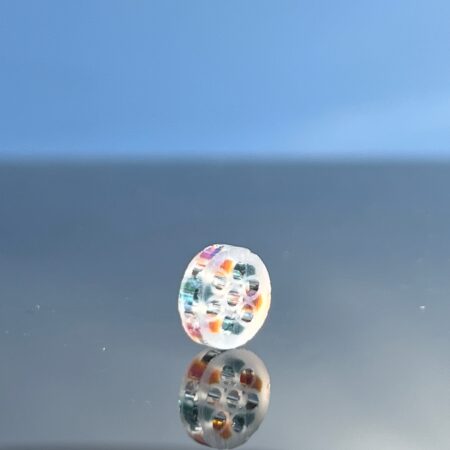
The vent layout varies from piece to piece. We’ve carried three-hole designs as well as Crondo Glassics hammers with one larger intake, and differences in hole size, bowl depth and the rest of the airway can change the feel of the draw. The basic idea stays the same: the hash sits below the intake instead of directly over it.
What Do You Need to Use a Hash Hammer?
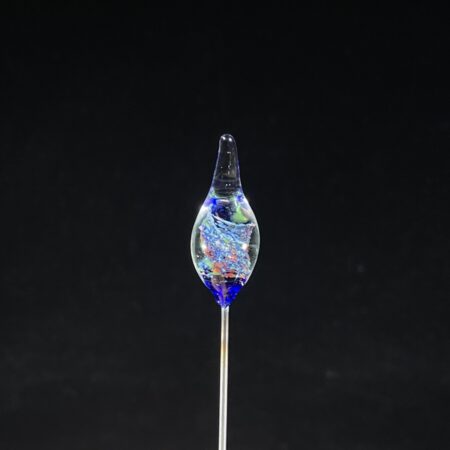
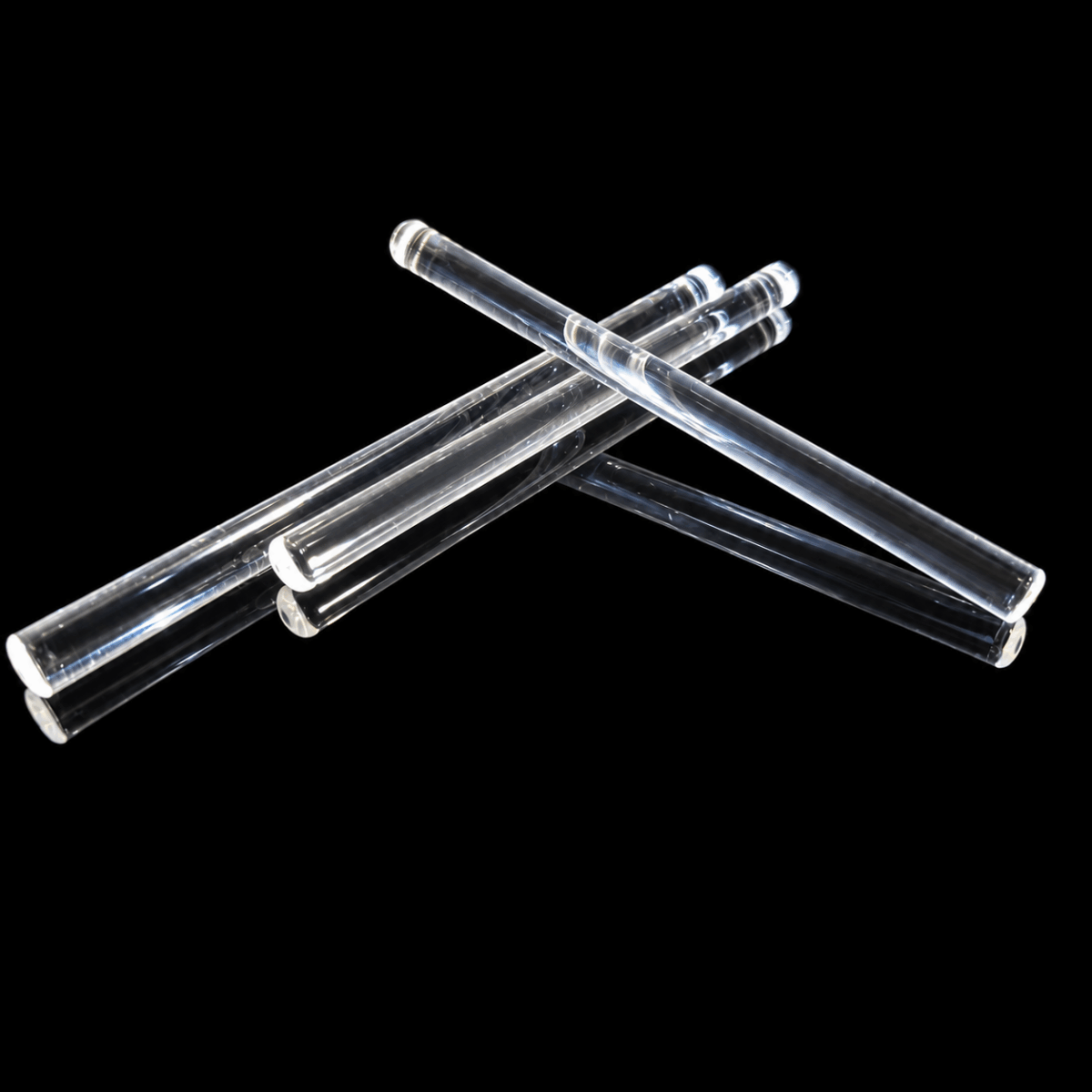
You don’t need much: the hammer, some hash, a wand, a torch and somewhere heat-resistant to put the wand down afterward. Every hash hammer sold by Tako Glass includes a wand, so the piece is ready to use once you have a torch and something to load into it. We also carry replacement wands separately in case one gets lost or broken, or you simply want a spare.
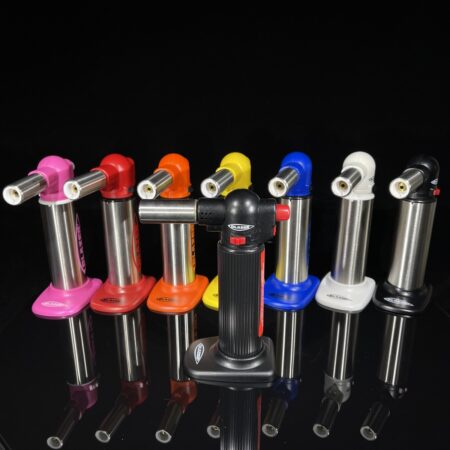
Quartz is commonly used for hot wands because it handles repeated heat cycles well. Whatever wand you’re using, remember that the torch goes on the wand, not the hammer itself. The wand carries the heat into the bowl. If you still need a suitable heat source, Tako Glass also carries lighters and torches.
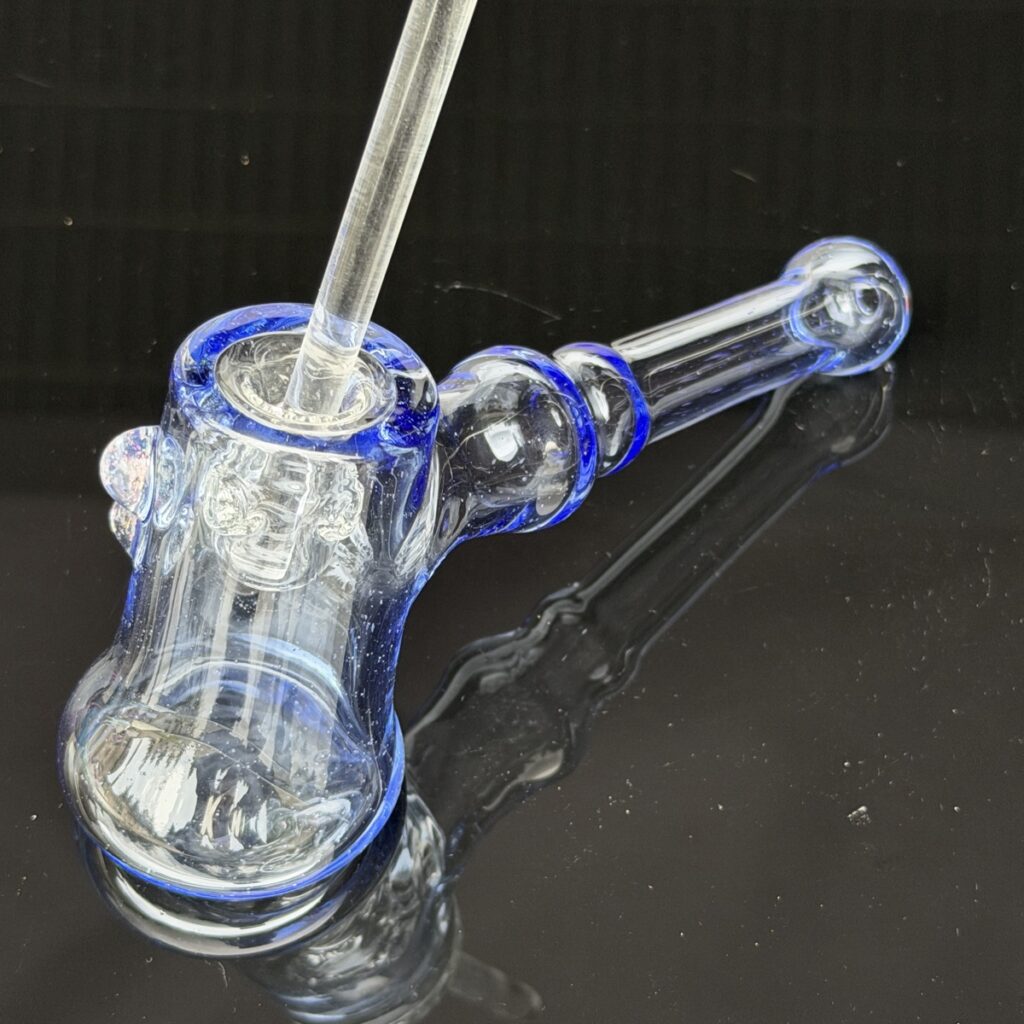
How to Use a Hash Hammer
- Put a small amount of hash in the bottom of the bowl. Keep it below the air holes. There’s no reason to pack the bowl the way you would with flower.
- Heat the working end of the wand with a torch. Heat it evenly rather than concentrating the flame on one tiny spot.
- Take the wand away from the flame before bringing it to the bowl. You’re using the heat stored in the wand, not applying torch flame directly to the hash.
- Start drawing slowly and touch the hot wand to the hash. Depending on what you’ve loaded, it may soften, bubble, melt or begin producing vapor almost immediately.
- Work the surface gently. Heavy pressure isn’t necessary. Move the wand enough to heat fresh material and let the temperature do most of the work.
- Reheat when the wand stops getting a useful reaction. It’s easier to add another heat cycle than to rescue a bowl you scorched by starting too hot.
Using the wand itself is straightforward. Learning how much heat your particular hash likes is where most of the practice comes in.
How Hot Should the Wand Be?
There isn’t one temperature that works perfectly for every batch of hash. Moisture, resin content, texture and melt quality all change how the material reacts, so the hash itself is usually a better guide than a universal number.
If touching the wand to it does almost nothing, give the wand a little more heat. If the hash softens or bubbles and produces a smooth, controlled hit, you’re in the right neighborhood. If it immediately blackens or gives you a harsh blast of smoke, back off the heat next time.
Small loads make this much less wasteful while you’re learning. After using the same hammer and material a few times, you’ll get a better feel for how long to heat the wand and how long to let it cool before making contact.
What Kind of Hash Works Best in a Hash Hammer?
Bubble hash is a natural fit, especially cleaner grades that soften and melt readily. As the resin liquefies, the solid-bottom bowl gives it somewhere to collect instead of letting it fall through the intake of a conventional pipe.
Traditional pressed hash and dry sift can work perfectly well too. They may soften and smoke more than they liquefy, but complete melt isn’t a requirement for using a hash hammer.
Rosin and other concentrates are possible as well, although very runny material can be harder to manage. A hash hammer also behaves differently from a banger with a carb cap. With a hash hammer, you’re controlling the session mostly through wand temperature, contact time and your draw, so particularly fluid concentrates aren’t always where the design shines.
Control Your Draw and Don’t Overload the Bowl
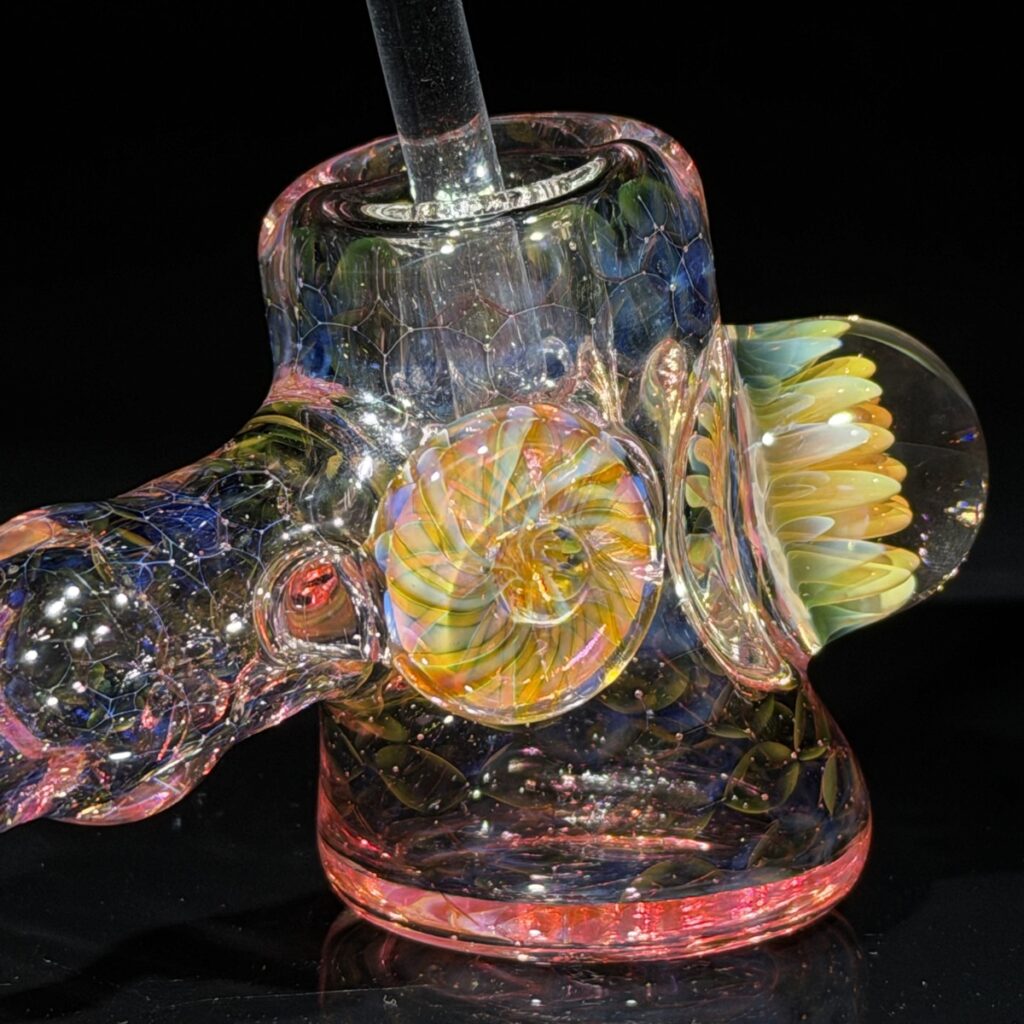
You don’t need to pull hard. A slower, steadier draw usually gives you more control while you’re figuring out how quickly the material is heating, and different vent configurations may respond a little differently.
Keep the load modest at first too. The bowl may be deep, but filling it doesn’t make the hammer work better. Smaller amounts are easier to heat evenly, easier to move around with the wand and much easier to read while you’re learning. If something isn’t working, changing one variable at a time is a lot easier when half the bowl isn’t full of hash.
How to Clean a Hash Hammer
Melted resin eventually collects in the bottom of the bowl, around the intake holes and farther into the airway. Once those vents start getting restricted, you’ll usually feel it in the draw.
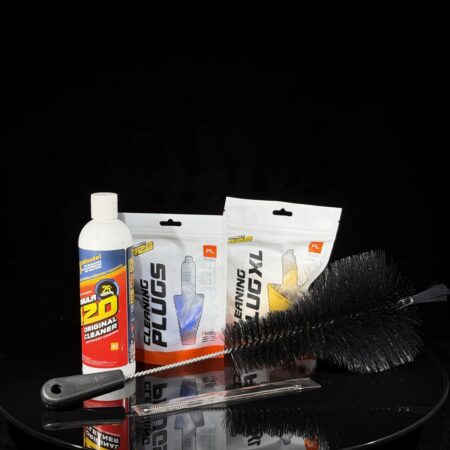
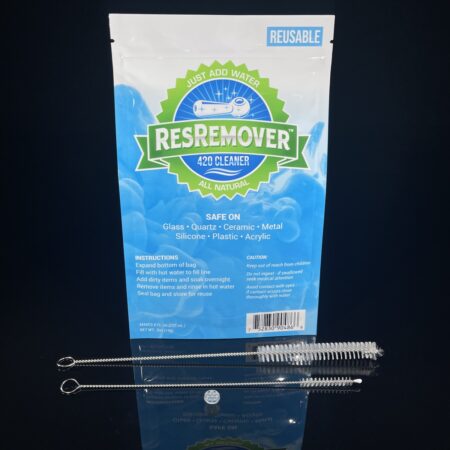
Let the hammer and wand cool completely before cleaning them. Isopropyl alcohol works well for residue inside borosilicate glass, followed by a thorough rinse and complete drying. Cotton swabs and pipe cleaners can help with areas around the bowl and airway where you can reach them, and the working end of the wand should be cleaned as well so you’re not reheating old residue every session. Tako Glass also carries a selection of glass cleaning supplies for regular pipe maintenance.
The hot wand needs somewhere safe to sit while you’re using it too. It can stay dangerously hot well after it stops looking hot, so keep it off plastic trays, wood, fabric and anything else that can melt or scorch.
Troubleshooting a Hash Hammer
When a hash hammer isn’t behaving the way you expect, the cause is usually one of three things: heat, load size or airflow. Barely getting anything from the bowl usually means the wand needs more heat. If every hit is harsh or the material blackens immediately, go cooler.
A restricted draw points toward buildup around the air holes or inside the airway. If the melt itself is hard to control, reducing the amount in the bowl is often more useful than changing everything else at once. Small adjustments make it easier to figure out which variable is actually causing the problem.
Getting the Most Out of Your Hash Hammer
Learning how to use a hash hammer mostly comes down to finding the heat and draw that work with your particular material. Start with a small load, watch how the hash responds to the wand and keep the vents clean. After a few sessions, the process starts to feel much more natural.
Tako Glass carries handmade hash hammers from a range of glass artists, and every hash hammer we sell includes a wand. Replacement wands are also available separately if you need another!
Hash Hammer FAQ
How do you use a hash hammer?
Put a small amount of hash in the solid-bottom bowl below the air holes, heat the working end of the wand with a torch, then begin a slow draw while touching the heated wand to the hash. Gently work the material with the wand and reheat it when it no longer produces a useful reaction.
What kind of hash works best in a hash hammer?
Bubble hash is especially well suited to a hash hammer because cleaner grades can soften, bubble and melt under the heated wand. Traditional pressed hash and dry sift can work well too, even if they soften and smoke more than they fully liquefy.
How hot should a hash hammer wand be?
There is no single ideal wand temperature for every type of hash. If the material barely reacts, the wand may need more heat; if the hash immediately blackens or produces a harsh hit, use less heat. A good working temperature should let the hash soften, bubble or vaporize without immediately scorching it.
Can you use rosin or other concentrates in a hash hammer?
Yes, rosin and some other concentrates can be used in a hash hammer, but very runny extracts may be harder to control than hash or more stable concentrates. A hash hammer relies on heat transferred from the wand rather than the heated surface and carb cap used with a conventional banger.
Can you smoke flower from a hash hammer?
A hash hammer is designed primarily for hash and concentrates rather than flower. Its solid-bottom bowl and elevated air holes are built to hold material that softens or melts, so it does not function like a conventional spoon pipe with an intake at the bottom of the bowl.
Do you heat the hash hammer itself with a torch?
No. The torch is used to heat the wand, not the glass hash hammer. The heated wand carries the stored heat into the bowl and transfers it directly to the hash.
Do Tako Glass hash hammers include a wand?
Yes. Every hash hammer sold by Tako Glass includes the wand needed to use it. Tako Glass also sells replacement wands separately if the original wand is lost or broken, or if you want to keep a spare.
How often should you clean a hash hammer?
Clean a hash hammer when residue begins collecting around the bowl, intake holes or airway, especially if the draw starts to feel restricted. Keeping the elevated air holes clear is important because buildup there can directly affect airflow and how the pipe functions.