Three Distinct Voices in American Functional Glass
This latest wave of arrivals of American functional glass here at Tako Glass highlights three very different approaches to modern functional glass. From the workhorse utility and Pacific Northwest roots of Chris Drags, to the sculptural and cosmic aesthetic of Solfire Glass, to the old-school fume traditions of Longhair’s Glass, each artist brings a distinct perspective to the torch. What ties them together is a shared focus on craftsmanship, personality, and pieces designed to be experienced—not just displayed.
Each of these artists have freshly joined the Tako Glass family, though all are veterans of glassblowing. That is why we’re super excited to be working with them, and we’re stoked to be able to share their work with all of you, and hopefully, put some American functional glass your hands too!
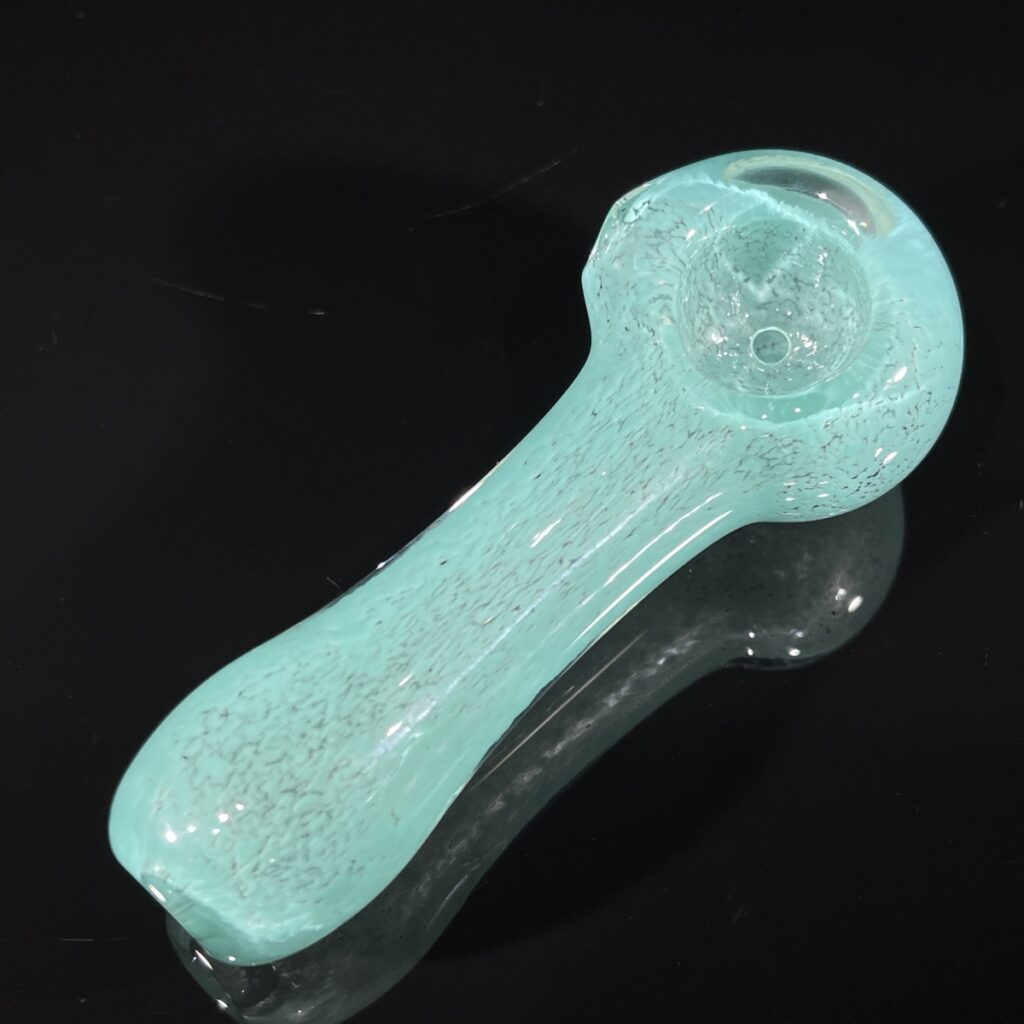
Chris Drags: Built Through Work
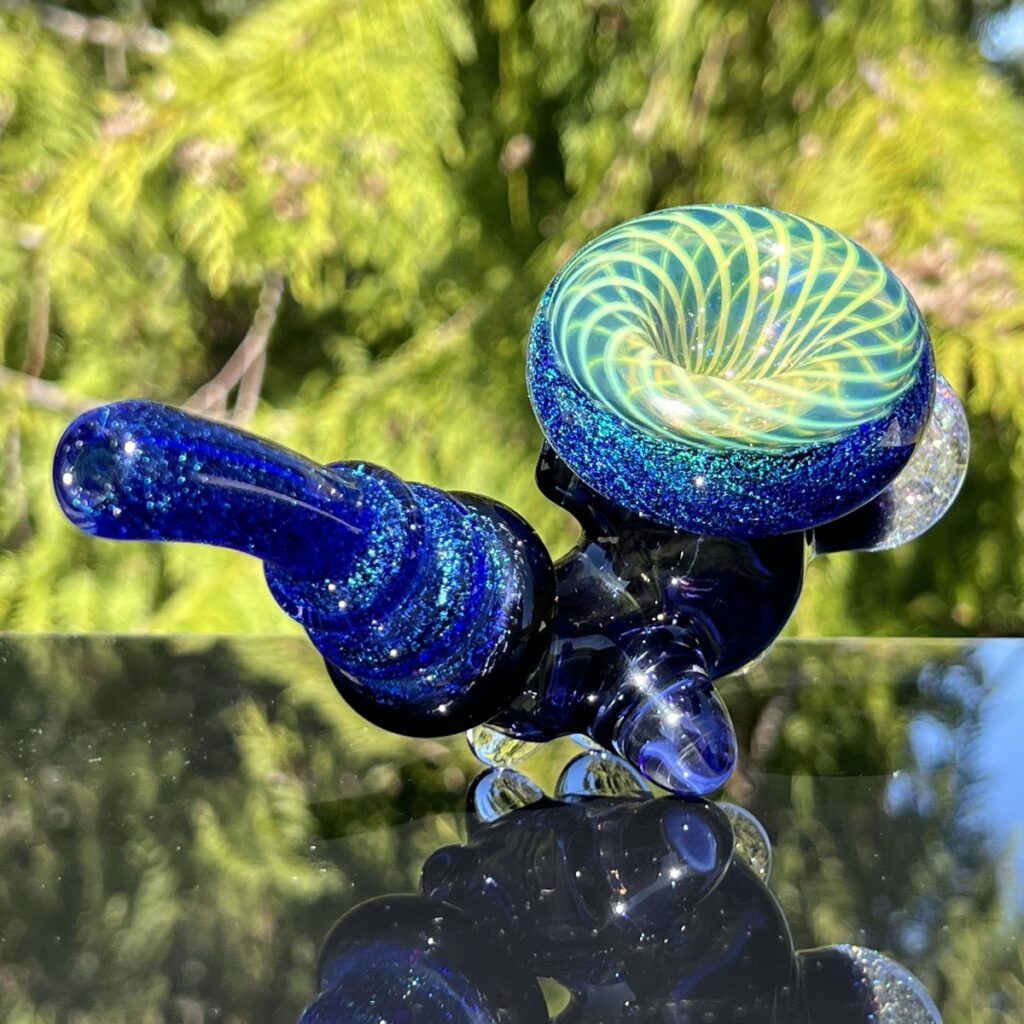
Not every glass artist builds their reputation through hype drops and viral posts. Some build it the old way—on the torch, hour after hour, piece after piece.
Chris Drags is one of those artists.
Coming up in the mid-to-late 2000s, Chris developed during a period when American functional glass was still carving out its identity beyond the early pioneers. Artists weren’t handed an audience back then. If you wanted to make it, you worked for it. That kind of environment tends to shape artists who care more about consistency and craftsmanship than chasing trends, and you can see that mindset clearly in his work.
Working out of Seattle, Chris is part of a Pacific Northwest glass tradition that values durability and usability just as much as aesthetics. His pieces lean heavily into functional design—clean forms, dependable construction, and techniques rooted in everyday use rather than display-case fragility.
A lot of his work incorporates fume techniques inspired by the lineage of artists like Bob Snodgrass, using silver and gold to create shifting coloration that evolves over time. It’s the kind of glass that changes with use, developing more character the longer you live with it.
There’s also a deeper technical side to his work. Chris operates across both COE 33 and COE 96 glass systems—something many artists avoid due to the differences in how those materials behave under heat. That flexibility speaks to experience, adaptability, and a broad understanding of the craft.
Chris Drags represents an essential side of the American functional glass scene: functional, accessible, handmade work built by someone who shows up every day and puts in the hours. The kind of glass people actually use, return for, and build routines around.
Solfire Glass: Capturing Light, Space, and Time
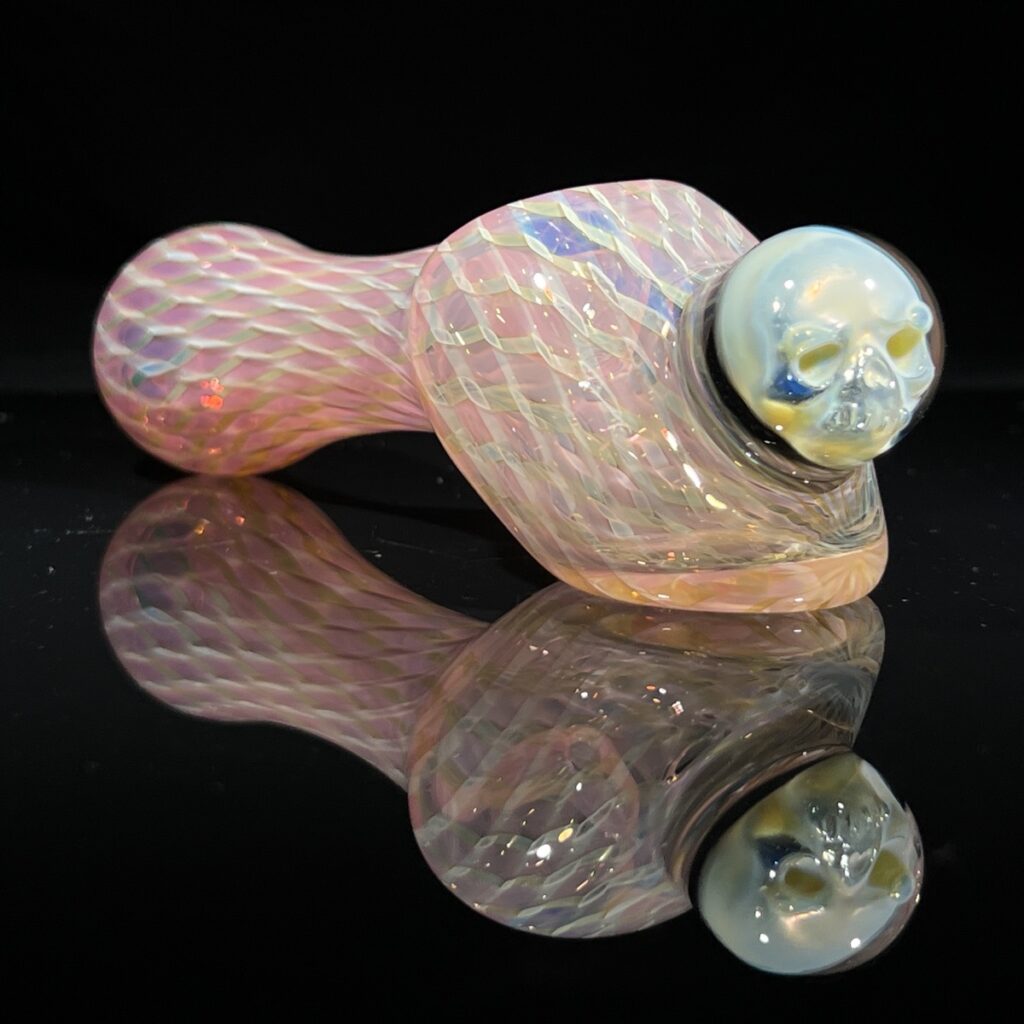
Dina Kalahar, the artist behind Solfire Glass, stands firmly on the more conceptual and sculptural side of the functional glass world. Her work pushes beyond simple utility, exploring glass as a medium for light, energy, and transformation.
Her philosophy centers around capturing time and space through glass and light, and that influence carries through every piece she creates. Color, movement, and depth combine into forms that feel almost cosmic in nature.
Solfire’s presence within the high-end glass scene is well established. She has participated in major collaborative events like the Corning Museum of Glass Flame Collab alongside some of the most respected names in the industry. In 2023, her piece “Return” earned first place for Best Solo at the World Series of Glass during Glass Vegas.
Even her smaller functional work carries a strong sense of scale and atmosphere. The way the glass refracts light and layers color gives the pieces an almost living quality in motion.
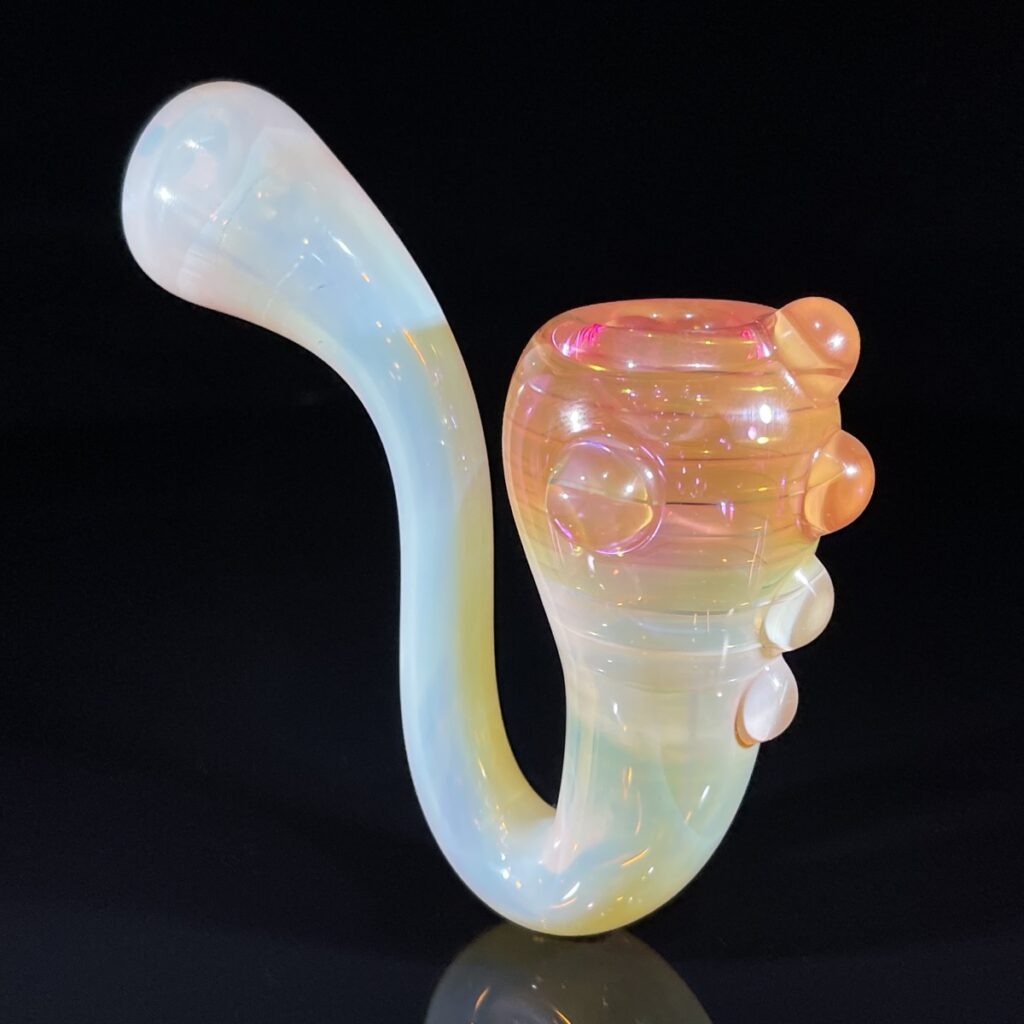
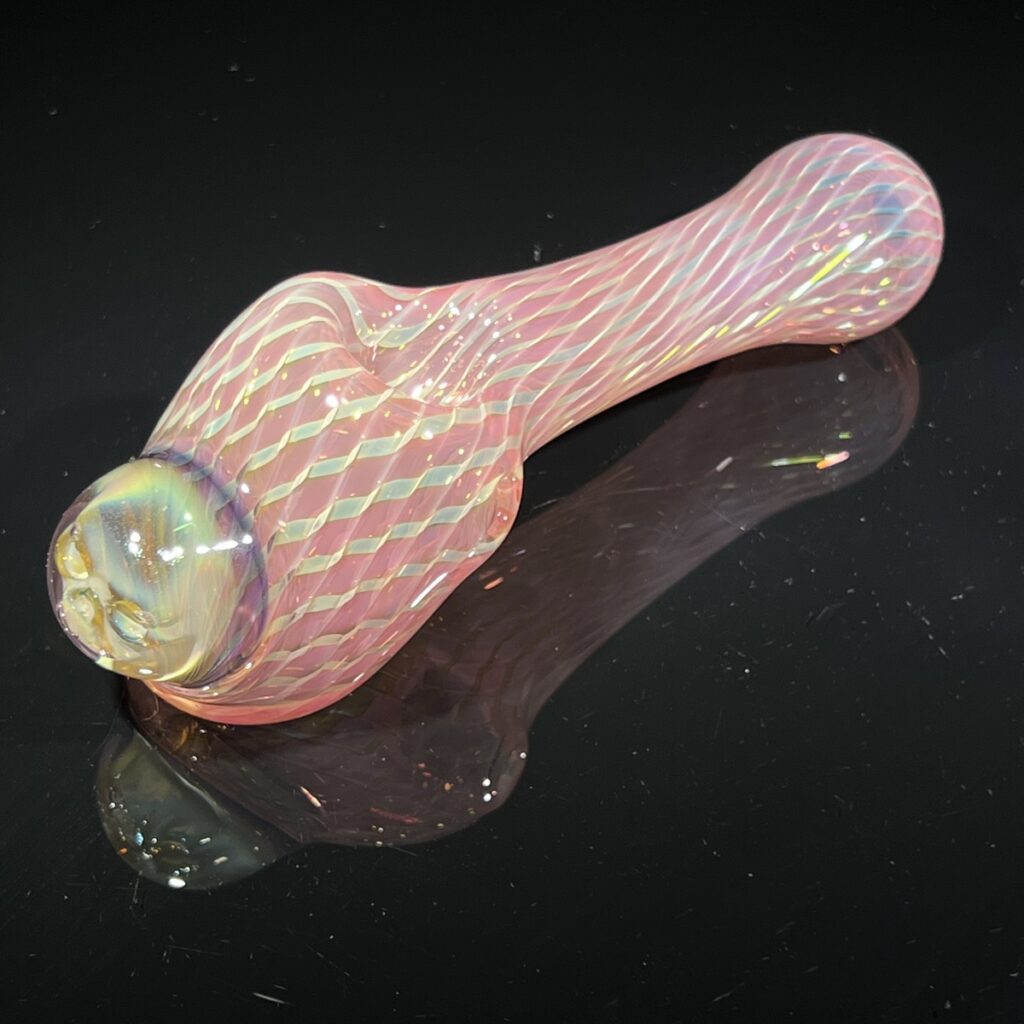
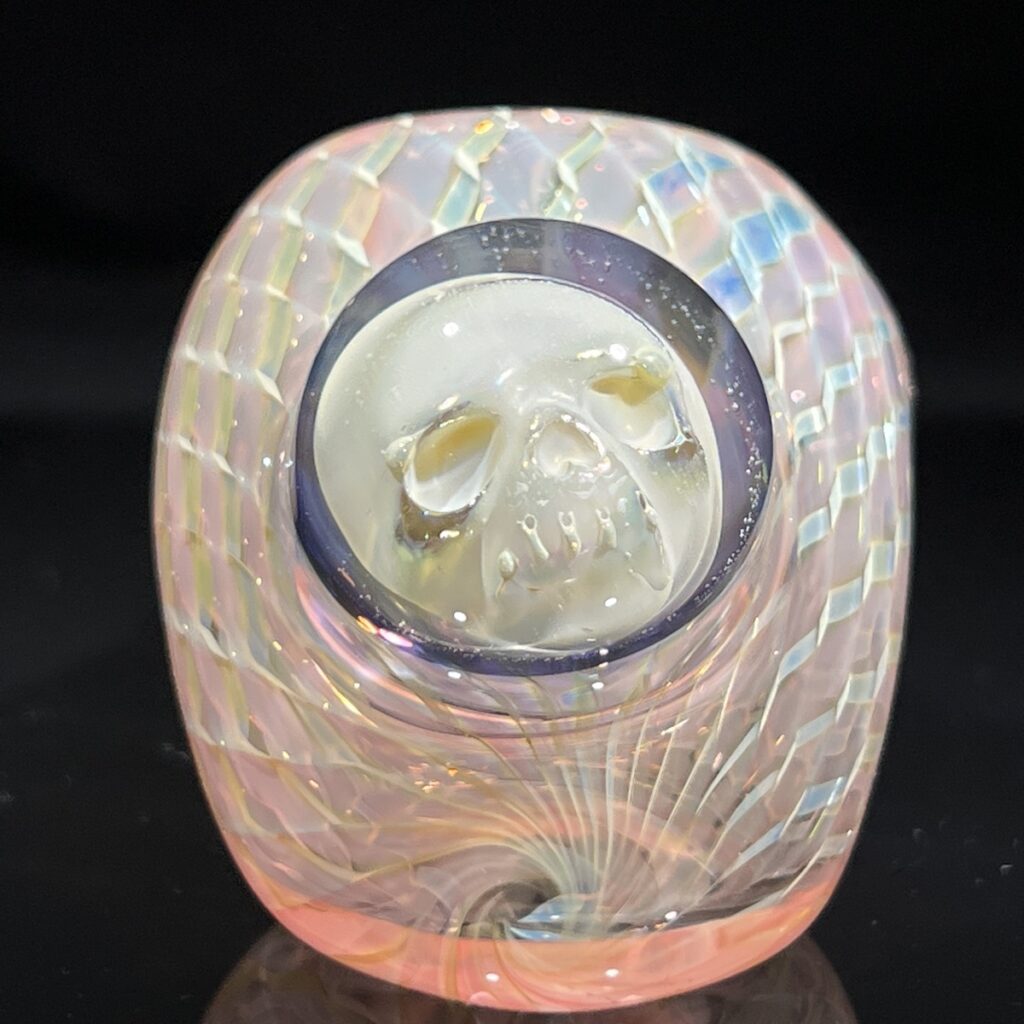
We’ve currently got a selection of Boneface Spoon Pipes from Solfire Glass featuring intricate fishnet-style patterning throughout the body, paired with ghostly fume-work skulls suspended inside oversized marble caps.
Longhair’s Glass: Function, Fume, and Feel
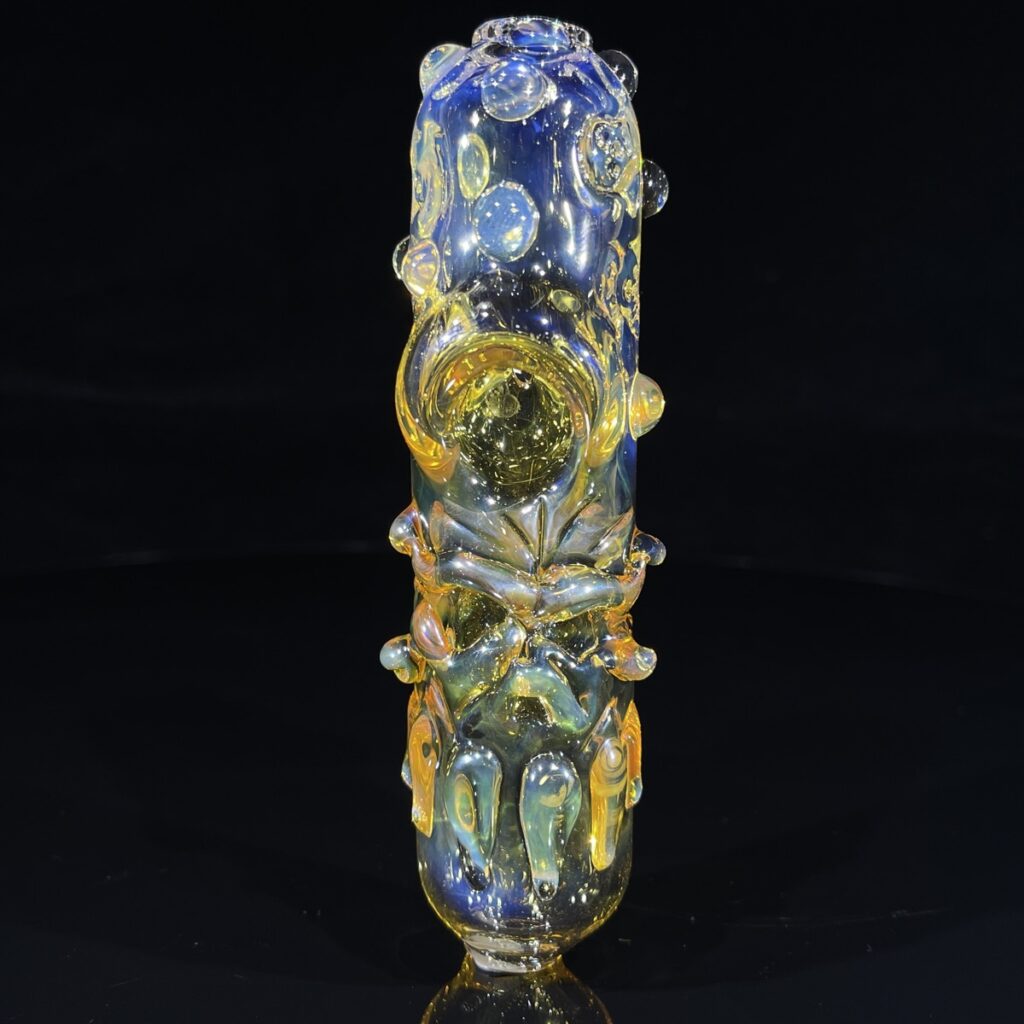
Jesse L. Smith of Longhair’s Glass works from the roots of traditional functional pipe making, producing pieces that are designed to be handled, smoked, and lived with.
Working out of Las Vegas, his style leans heavily into classic fume techniques that evolve over time through regular use. Steamrollers are a major focus in the lineup, especially the recognizable skull and squiggle fume designs that have become signatures of his work.
There’s a strong old-school influence throughout these pieces. The emphasis isn’t just visual—it’s about how a piece smokes, how it feels in the hand, and how it develops character over time. Familiar forms are refined through repetition, experience, and a clear understanding of functional design.
Longhair’s Glass represents a different kind of mastery within the modern glass scene: consistency, usability, and respect for the techniques that helped shape American functional glass culture.
We’ve currently got a limited selection of Squiggle Fume Steamrollers and Skull Fume Steamrollers available now. The skull versions especially are likely to disappear quickly once they land!
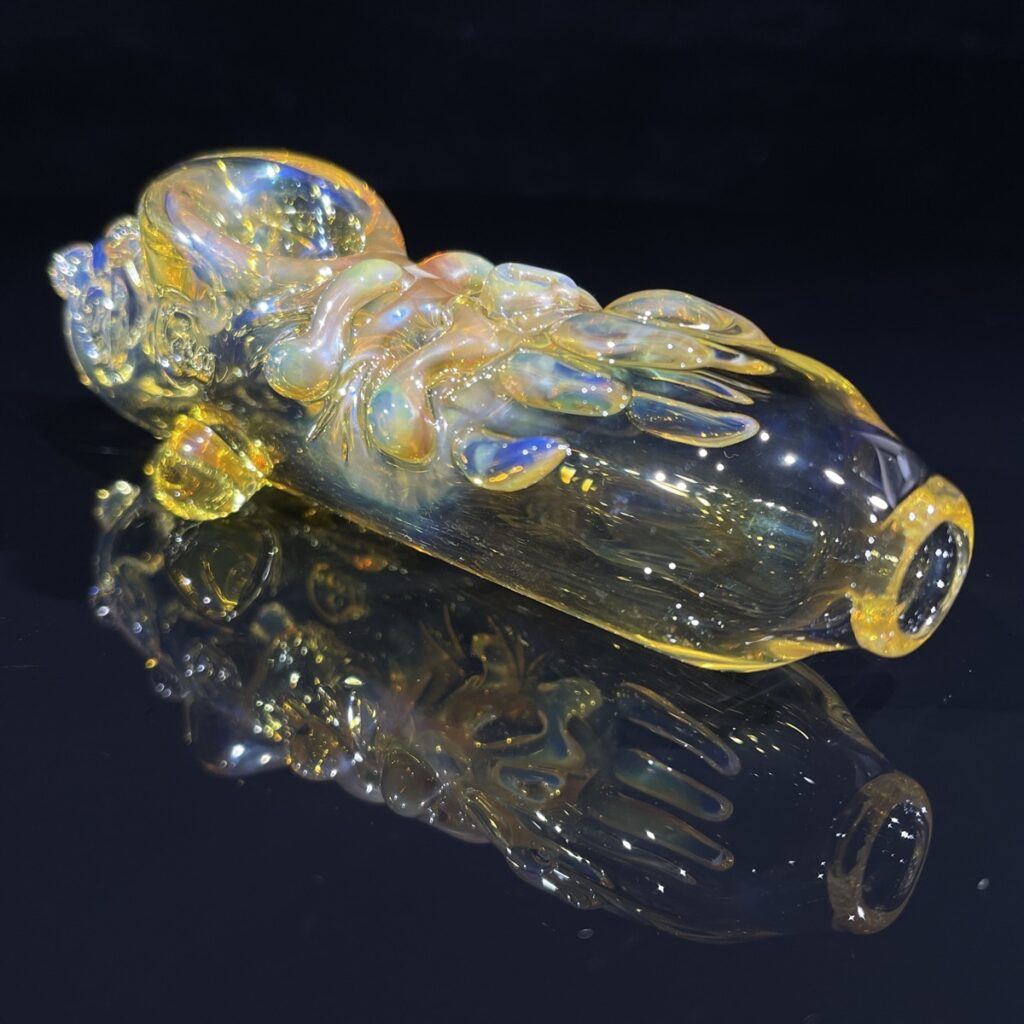
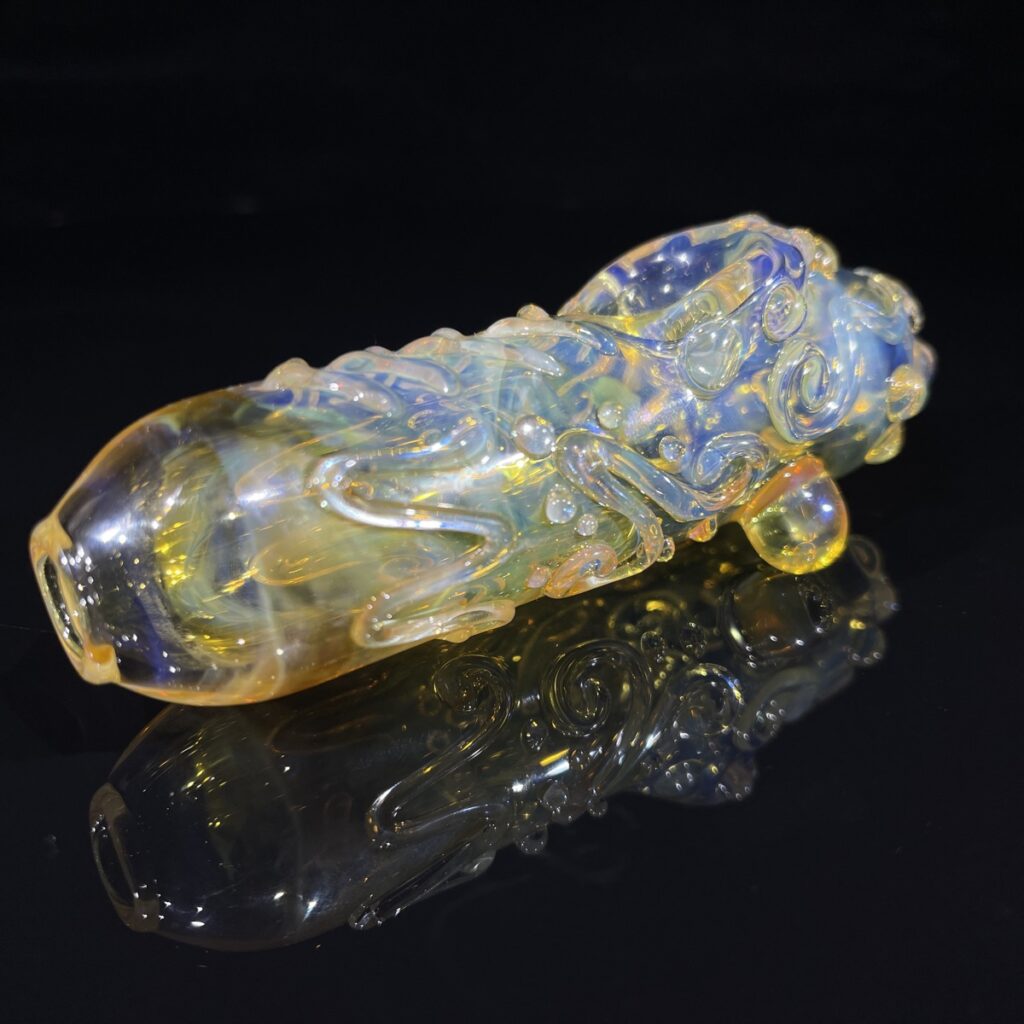
New Glass, New Artists, New Favorites!
Whether you’re drawn toward the dependable functionality of Chris Drags, the sculptural energy of Solfire Glass, or the classic fume traditions of Longhair’s Glass, these new arrivals represent three distinct corners of the American functional glass scene.
Browse the latest drops from each artist while they’re still available, and make sure to check out our New Arrivals section to stay up to date on fresh drops, restocks, and limited releases as they hit the site.
Understanding Different Approaches to Functional Glass
What makes one glass artist’s style different from another’s?
Every glass artist develops their own approach to shaping, color work, function, and aesthetics. Some focus on clean scientific designs, while others emphasize sculptural details, intricate patterns, or highly recognizable artistic themes.
Does artistic style affect how a piece functions?
It can. Design decisions often influence airflow, balance, weight distribution, and overall usability. Many artists strive to blend strong function with a distinct visual identity rather than treating the two as separate goals.
How do collectors choose between different artists?
Collectors often look for a combination of function, craftsmanship, artistic appeal, and personal connection. Some focus on specific techniques or aesthetics, while others collect work from artists whose stories or philosophies resonate with them.
Is one style of functional glass considered better than another?
Not necessarily. Different styles appeal to different collectors and users. A highly technical scientific piece, a colorful artistic design, and a sculptural work can all represent exceptional craftsmanship in their own ways.
Why do artist profiles matter when buying functional glass?
Learning about an artist’s background, influences, and techniques helps collectors better understand the work they are purchasing. It can also provide valuable context about rarity, creative intent, and long-term collectibility.
Can collecting multiple artists help build a stronger collection?
Many collectors enjoy owning pieces from a variety of artists because it showcases different techniques, design philosophies, and eras of glassmaking. A diverse collection often tells a richer story than focusing on a single style alone.