What Is Heady Glass? Art, Craft, and Collector Culture Explained
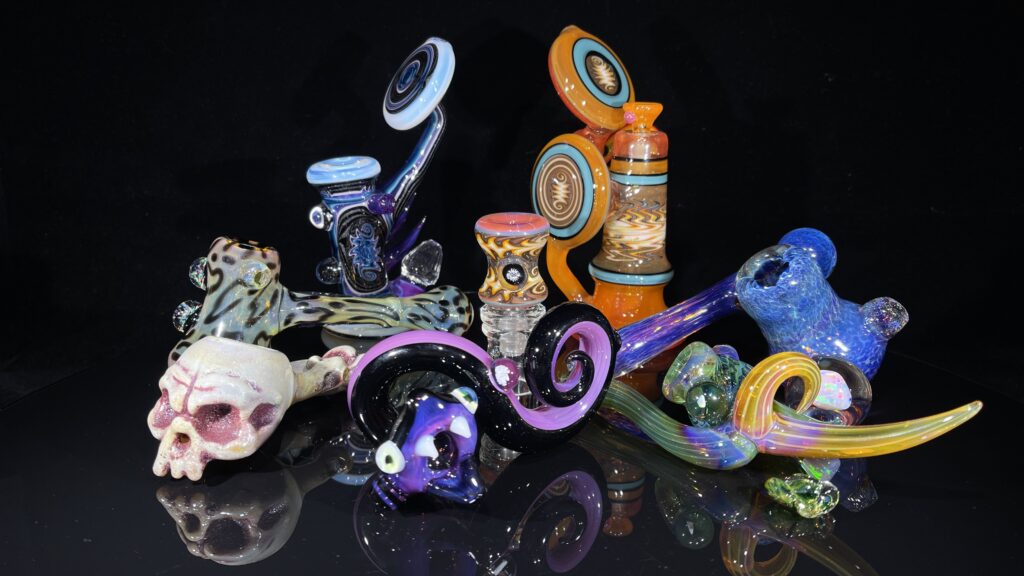
If you have spent much time around functional glass, you have probably heard the word “heady.” But what is heady glass, exactly? There is no certification, minimum price, or particular glassblowing technique that turns a pipe into a heady piece.
At its core, heady glass is functional glass where the artist, original design, quality of execution, and place within glass culture matter as much as the basic function of the pipe. That leaves plenty of gray area. An expensive pipe is not automatically heady, and a relatively simple piece can absolutely qualify.
Where Did the Term Heady Glass Come From?
The story of heady glass is closely tied to the American functional-glass movement and the Grateful Dead scene. The Corning Museum of Glass traces the modern American glass-pipe movement to the early 1980s, when Bob Snodgrass began selling his color-changing pipes while traveling around Dead shows. He eventually helped establish a community of pipe makers around Eugene, Oregon.
One story from Snodgrass shows how grassroots that early scene really was. Before his first Dead show, he made a batch of small pipes decorated with Dead imagery to sell in the parking lot. Demand was so strong that, in a later interview about his glassmaking career, Snodgrass recalled spending the next two days and nights working to keep up. Artist-made pipes were circulating directly through a community that would go on to include collectors, glassblowers, and some of the earliest serious enthusiasts of functional glass.
The word heady seems to have grown naturally out of that same culture rather than being invented as an official glass term. Research into jamband culture documents “head” as slang for people deeply involved in the scene—Deadheads, Phish heads, and others—and “heady” or “headie” as praise for something good or high-quality. Exactly when that language first became “heady glass” is much harder to document, but the meaning fits the culture it came from: glass that stood out from the ordinary.
Heady Glass vs. Production Glass
One of the easiest ways to understand heady glass is to compare it with production-oriented work, although the boundary between the two is not absolute. Production glass is made with repeatability in mind. An artist or studio may produce the same spoon, bubbler, tube, or rig many times using established dimensions and construction methods, while heady work generally gives the individual piece and the artist’s personal style more room to take center stage.
| Production-oriented glass | Heady-oriented glass |
|---|---|
| Repeatability is important | Individual expression is important |
| Often produced in batches | Often one-off or small-run |
| Consistency and efficiency matter heavily | Originality or complexity may matter more |
| Maker identity may be secondary | Artist identity often matters |
| Primarily functional value | Functional + artistic/collector value |
These are tendencies rather than rules. Great production work can require tremendous skill, and heady artists frequently revisit the same forms throughout their careers. A design may remain recognizable while the artist changes the color work, patterns, attachments, scale, or level of complexity from piece to piece. That is why neither one-of-one nor handmade works as a definition by itself: a one-off can still be fairly ordinary, while a repeated design can become an artist’s signature.
What Makes Glass Heady?
There is no perfect checklist, but artistic authorship is one of the strongest indicators. Many heady glass artists develop recognizable shapes, characters, patterns, color combinations, or construction styles. Experienced collectors can sometimes identify the maker before ever finding a signature.
Tako’s Purple Nebula work is a good example. The combination of color and technique has been refined over years into a recognizable treatment, making the style itself part of the artist’s identity. The value is not simply that colored glass was used; it is that the finished work carries a recognizable artistic fingerprint.
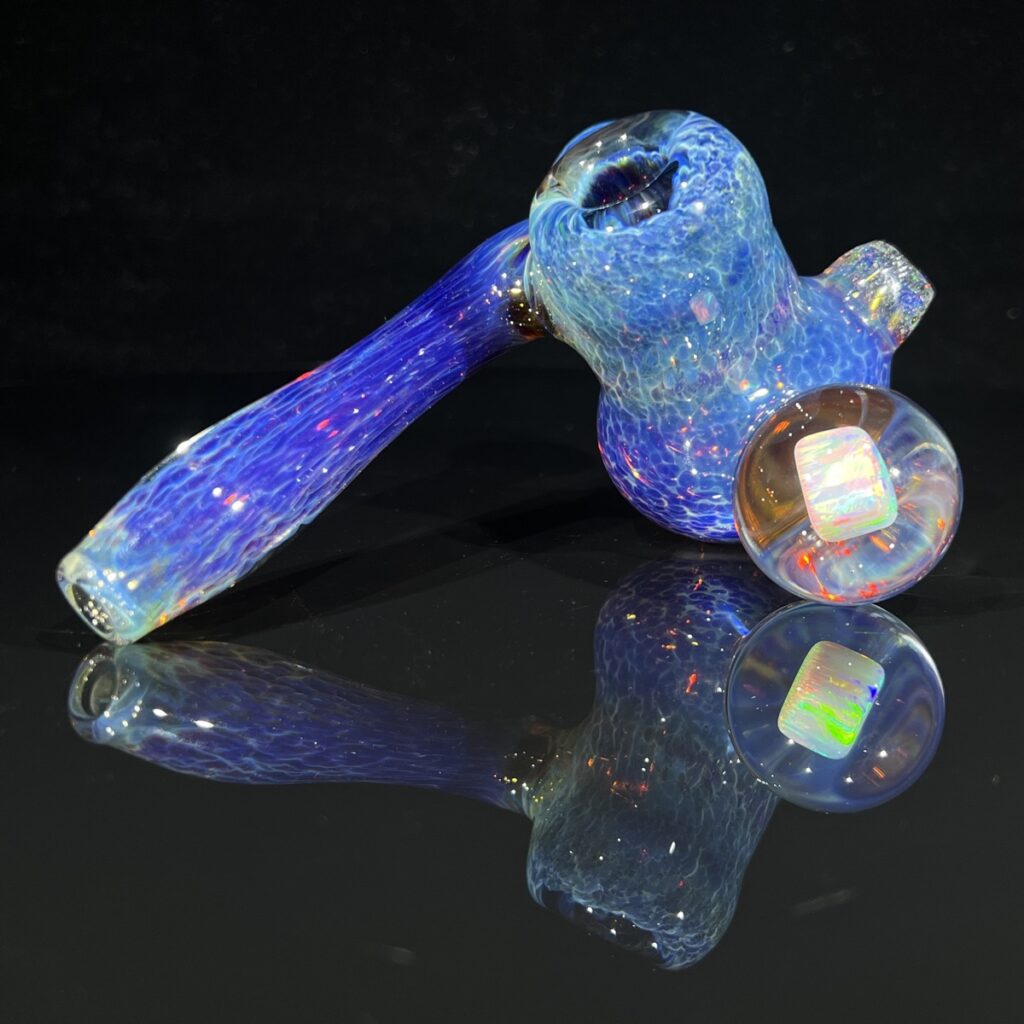
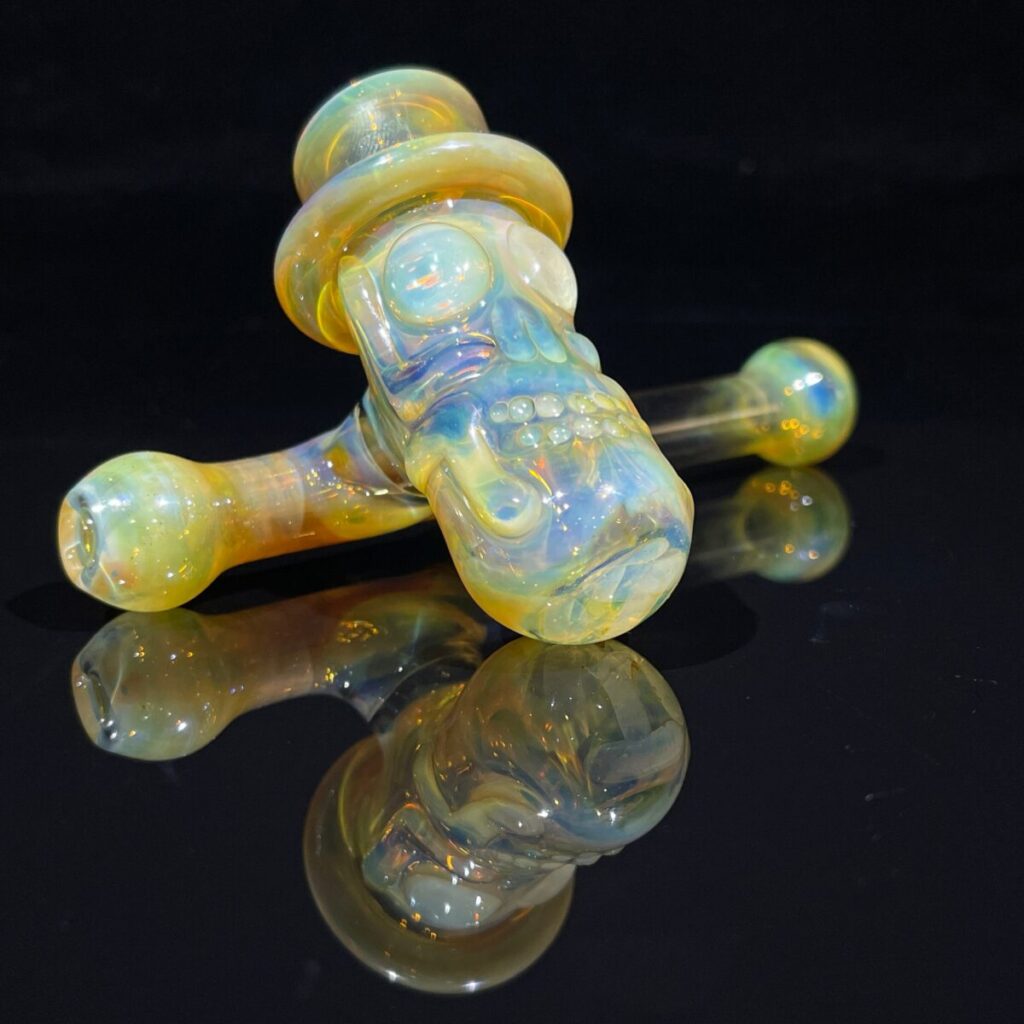
Execution matters just as much. Clean seals, balanced proportions, deliberate shaping, controlled color placement, and difficult assemblies can all contribute to the quality of a piece. Artists may also incorporate techniques such as fuming, which uses metals such as silver and gold to create color; reticello, with its intersecting network of lines; murrine or millies, made from patterned glass cane; along with reversals, implosions, encased opals, sculpture, and complex section work. These techniques can demonstrate extraordinary skill, but they are still tools. Using more of them does not automatically make the finished piece better—or more heady.
Can a Simple Pipe Be Heady?
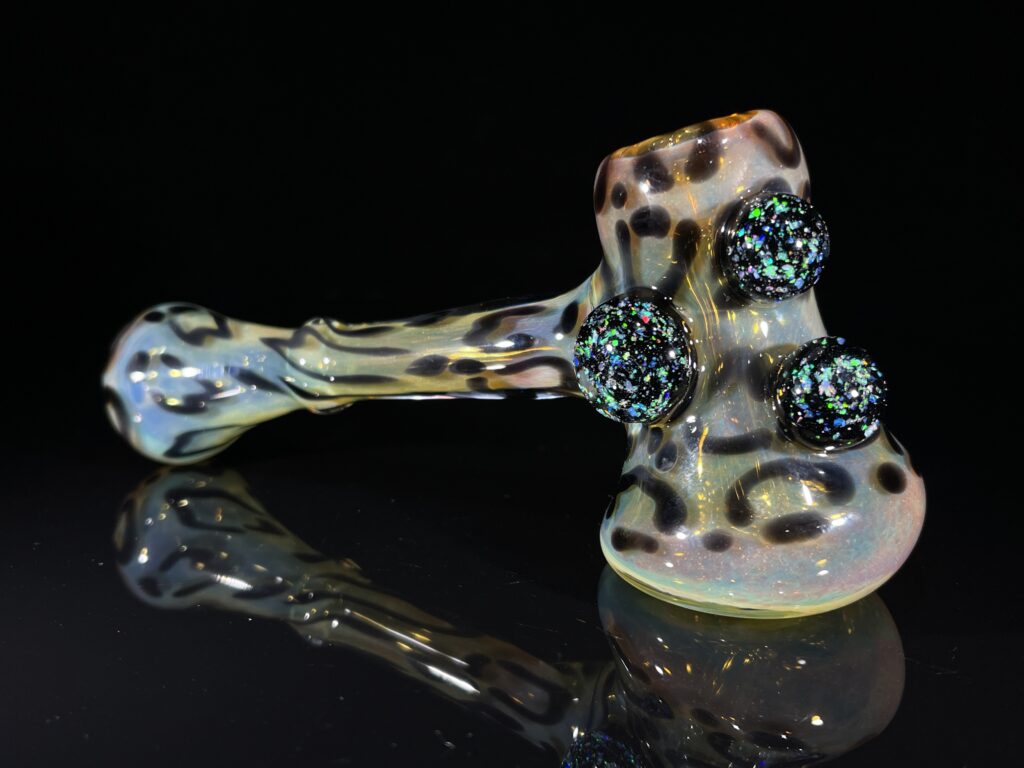
Absolutely. A beautifully proportioned spoon with controlled fume, intentional color placement, exceptional shaping, or a distinctive artist style may have more artistic identity than a much more complicated piece.
Complex glasswork deserves respect, but difficulty and artistic success are not the same thing. A piece can contain reversals, millies, opals, sculpture, and hours of difficult assembly and still end up poorly proportioned or visually confused. Simpler work often makes craftsmanship even easier to judge because there is less decoration to hide behind.
This distinction also helps separate heady glass from handmade, scientific, and expensive glass. A handmade production spoon may be crafted entirely by a skilled glassblower but still be intended as a repeatable everyday design. Scientific glass often emphasizes airflow, filtration, consistent construction, and engineered function, although scientific and heady styles can overlap considerably. Price is equally unreliable as a definition: a high price can reflect labor, scarcity, difficult materials, artist reputation, collector demand, or brand recognition, while an emerging artist may be producing genuinely original and technically excellent heady work long before their prices catch up with their skill.
Why Artist Identity and Collector Culture Matter
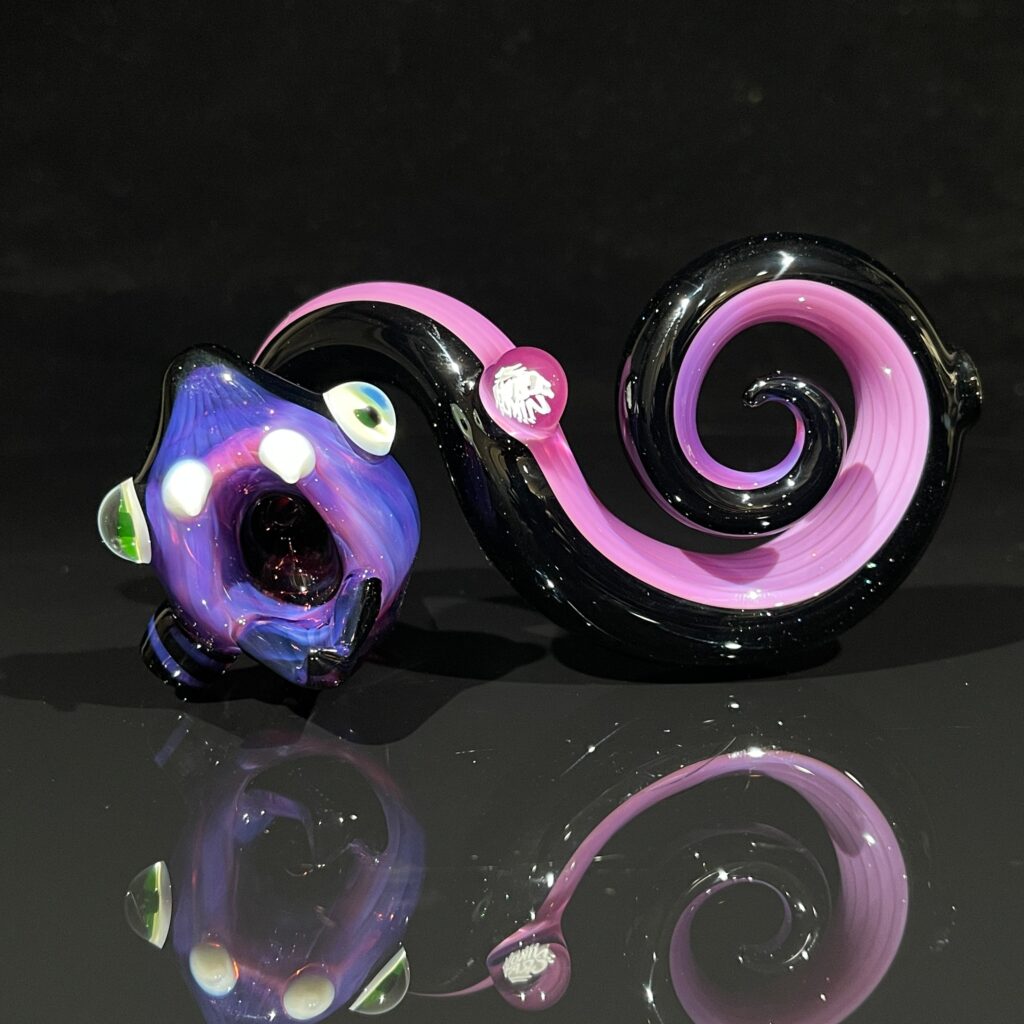
Once functional glass enters collector territory, the identity of the person behind the torch becomes part of the object. Collectors learn individual artists’ recurring forms, color combinations, characters, and techniques, while collaborations can make authorship even more visible by combining recognizable elements from several artists into one piece.
That makes provenance important as well. Knowing who made a piece, whether it was a collaboration, when it was produced, and where it came from can help establish its history and authenticity. Signatures, purchase records, artist documentation, or a known gallery or shop history can all become meaningful as a collection grows.
Scarcity and reputation influence collector value, but they are only part of the picture. A famous name does not automatically make every piece exceptional, and a talented unknown artist does not need a major secondary market before the work can be considered heady. Ultimately, heady glass is a cultural classification, not an official grade. There is no required technique, minimum price, or governing body drawing the line.
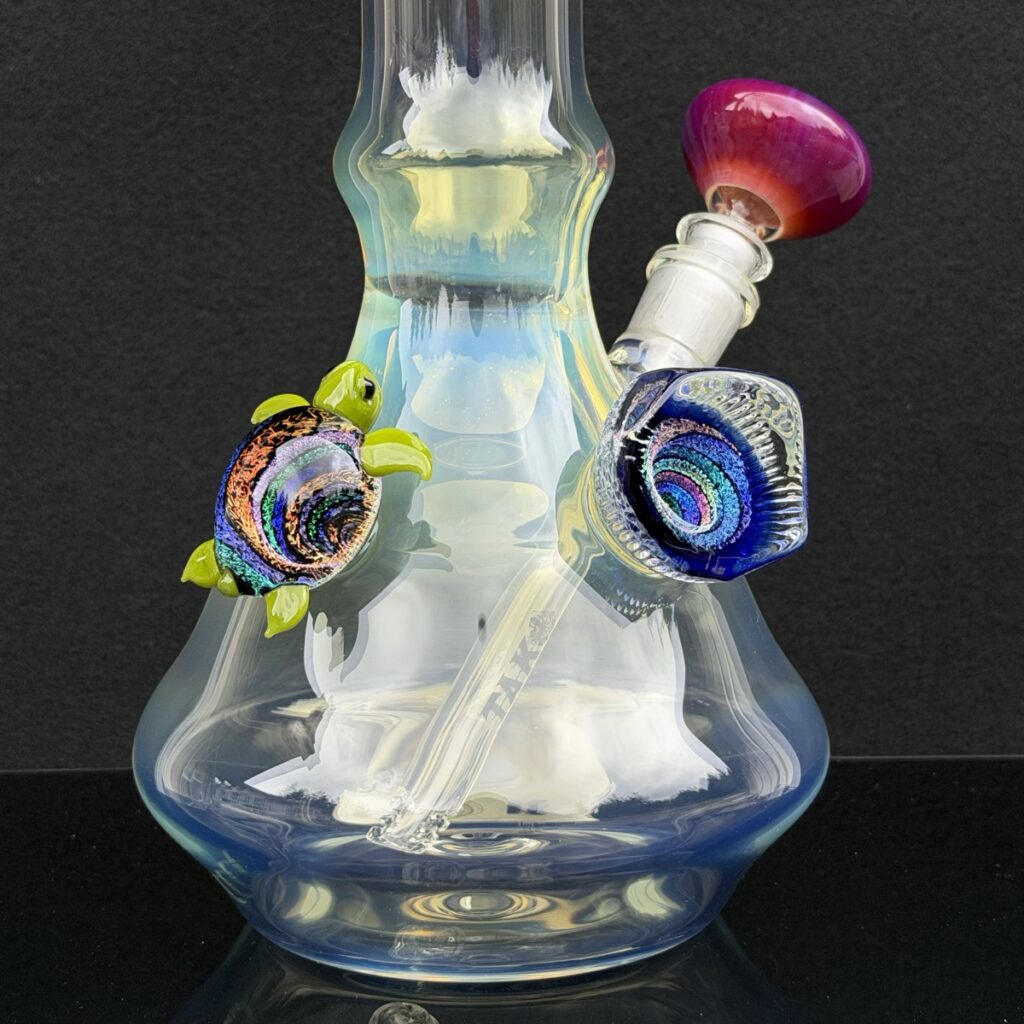
The common thread is that the pipe is valued as more than a smoking device: the artist, design, execution, and history of the work have become meaningful parts of the object itself. If you want to see how those ideas show up across different styles and forms, browse Tako Glass’s Headies collection.
Frequently Asked Questions About Heady Glass
What does heady mean in glass?
In functional glass culture, heady generally describes work where the artist, original design, technical execution, and artistic or collector significance are important parts of the piece. It is a community term rather than an official quality grade or manufacturing standard.
Does heady glass have to be one of a kind?
No. Many heady pieces are true one-offs or small-run works, but artists can also revisit recognizable forms and signature designs. A repeated design can still be heady when the artist’s individual style and execution remain central to the work.
Is expensive glass automatically heady?
No. Price may reflect labor, scarcity, artist reputation, difficult materials, collector demand, or brand recognition, but price alone does not make a piece heady. Relatively affordable work from an emerging artist can still have strong originality, execution, and artistic identity.
Is all borosilicate glass considered heady glass?
No. Borosilicate describes the type of glass, not its artistic classification. Borosilicate can be used for simple production pipes, scientific glass, everyday handmade pieces, or elaborate heady functional art.
Does heady glass have to be American-made?
No. The term is closely associated with the American functional-glass culture that grew around artists and collectors in the United States, but there is no geographic requirement that makes a piece heady. Artist identity, design, execution, and cultural context matter more than country of origin.
Can scientific glass also be heady?
Yes. Scientific glass and heady glass describe different aspects of a piece, so they can overlap. A function-focused tube or rig may also incorporate artist-driven color work, limited configurations, worked sections, collaborations, or other features that give it strong artistic and collector significance.
What is a heady glass collaboration?
A glass collaboration is a piece created by two or more artists who contribute their own techniques, forms, characters, color work, or other recognizable elements. Collectors often value collaborations because they bring distinct artistic styles together in a single functional piece.
How can you tell who made a heady glass piece?
Start with signatures, artist marks, recognizable styles, original purchase information, and any documentation that came with the piece. For older or secondary-market glass, reliable provenance such as artist confirmation, gallery records, or a documented ownership history can help establish attribution.