Why Handmade Glass Pieces Aren’t Perfectly Identical
The Craftsmanship Behind Handmade Glass Pipes
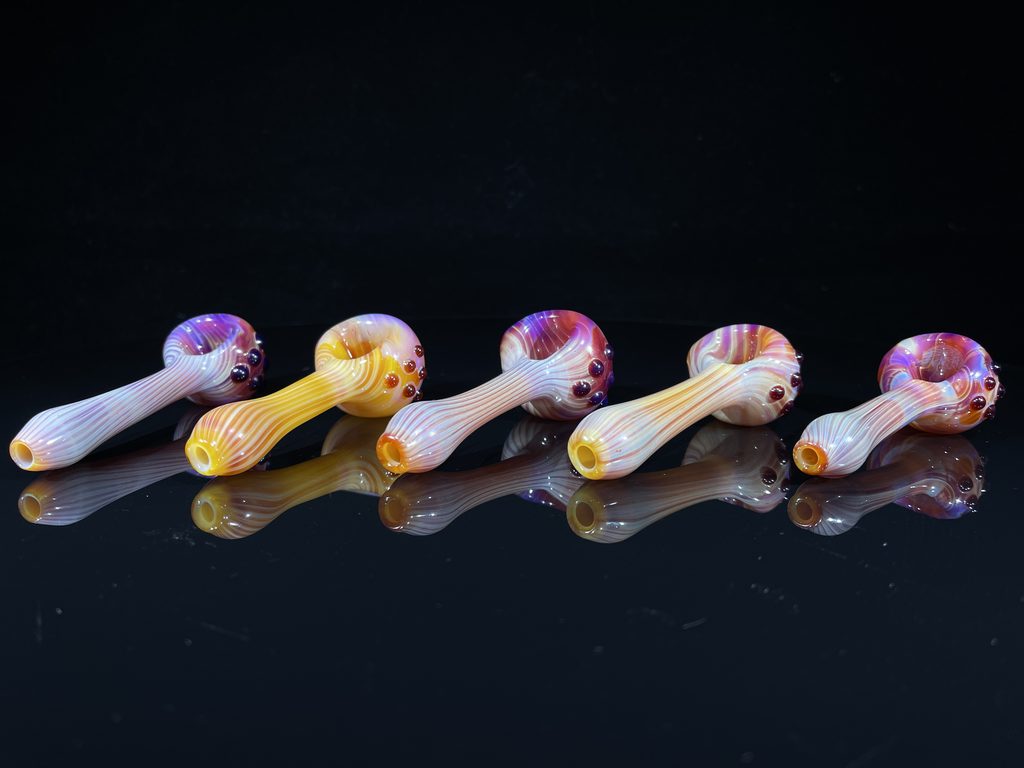
Have you ever noticed that two glass pipes from the same artist or manufacturer aren’t quite identical? One might be slightly taller, another a little wider, or perhaps a decorative marble sits in a different position. Even pieces sold under the same model name can have subtle differences in their shape and construction.
That’s because most traditional functional glass is made or assembled by hand, including much of the inexpensive glass found in headshops. While glass manufacturing can be automated, producing a complex smoking piece often requires a glassworker to individually shape, assemble, and finish its components.
What separates an inexpensive factory-made bong from a carefully crafted American piece isn’t simply whether it was handmade. It’s the craftsmanship, time, and attention invested in the finished product.
How Handmade Glass Is Really Made
Modern factories can produce drinking glasses, bottles, and other standardized glass products using automated equipment. Functional glass presents a different challenge. A bong might require a properly positioned downstem, multiple sealed joints, an internal percolator, and a carefully formed mouthpiece. These components must be shaped and assembled so the finished piece functions correctly.
Much of this work involves lampworking, also called flameworking, where glassworkers use torches to heat, shape, and join glass tubing. Many of these techniques are also fundamental to scientific glassblowing, where skilled glassworkers fabricate specialized laboratory equipment using borosilicate tubing, precision joints, and complex glass assemblies.
Interestingly, inexpensive factory-produced smoking glass often involves substantial handwork, too. Many imported pipes and bongs are made by workers who specialize in repetitive tasks, forming standardized components and assembling familiar designs throughout the day. This work requires skill, but factory production generally prioritizes efficiency, consistency, and affordability.
Quality-focused American glass production often places greater emphasis on individual craftsmanship. An experienced glassblower might produce the same bong design repeatedly, taking additional care with welds, proportions, joint alignment, and finishing. Years of experience can also make difficult techniques remarkably efficient, so working quickly isn’t necessarily a sign of poor craftsmanship.
American-made glass isn’t automatically superior, and imported glass isn’t inherently poorly constructed. The meaningful differences are found in the finished product: its construction quality, functionality, materials, finishing, and attention to detail.
These factors, along with labor costs and production scale, help explain why two seemingly similar bongs can have dramatically different prices.
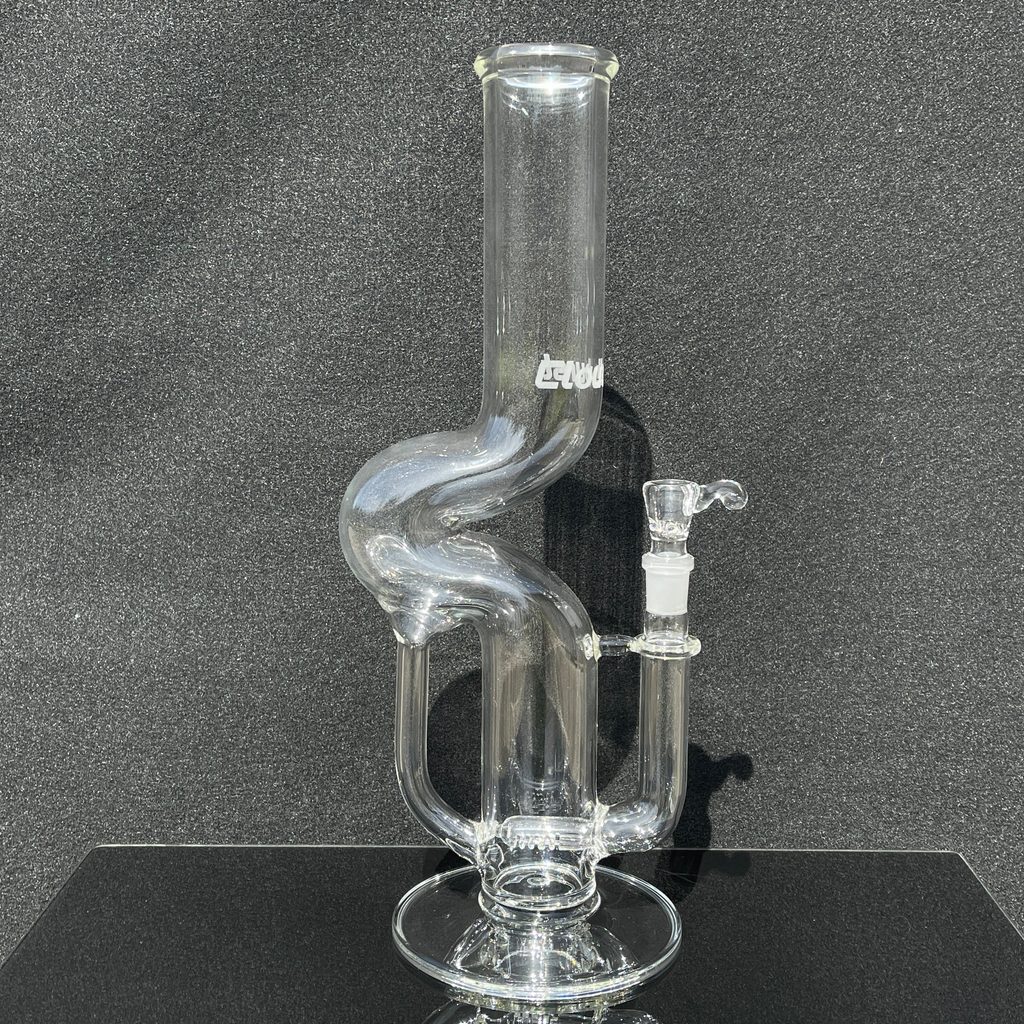
Why Handmade Glass Pieces Vary
Working with hot glass requires constant adjustments. As glass softens, it stretches, expands, compresses, and changes shape in response to heat and movement. Even experienced glassblowers can’t reproduce every movement and temperature change with absolute precision, so minor differences naturally develop between pieces.
Common variations in handmade glass pipes include:
- Height and dimensions: Two examples of the same model may differ slightly in length, width, or height.
- Body shape: Bowls, chambers, and curved sections may have subtly different proportions.
- Mouthpieces: Flared openings and lip shapes can vary slightly.
- Carb holes: The exact position and shape of a carb may differ between hand pipes.
- Joints and downstems: Small differences in placement or angle are possible.
- Decorative features: Marbles, horns, and other attachments may sit in slightly different positions.
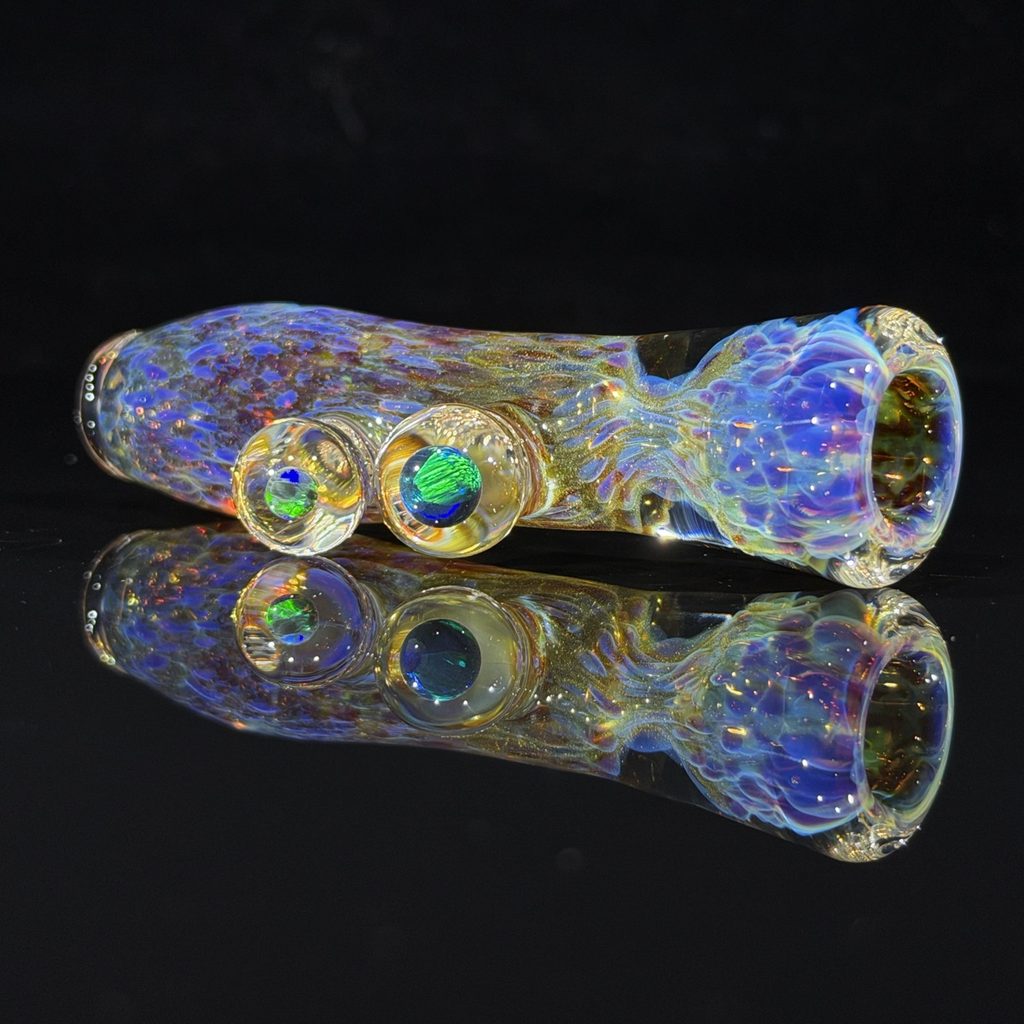
- Color patterns: Fuming, worked color, and other decorative techniques can produce unique results.
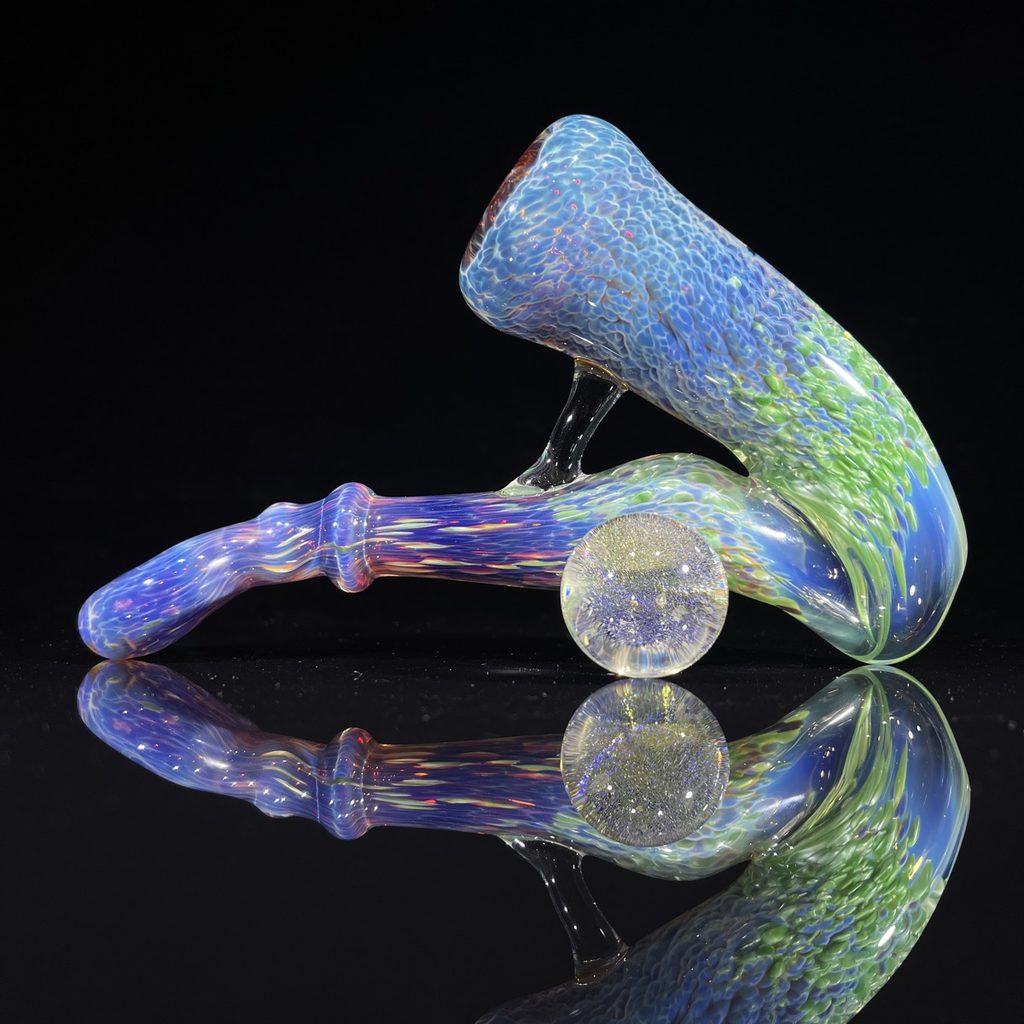
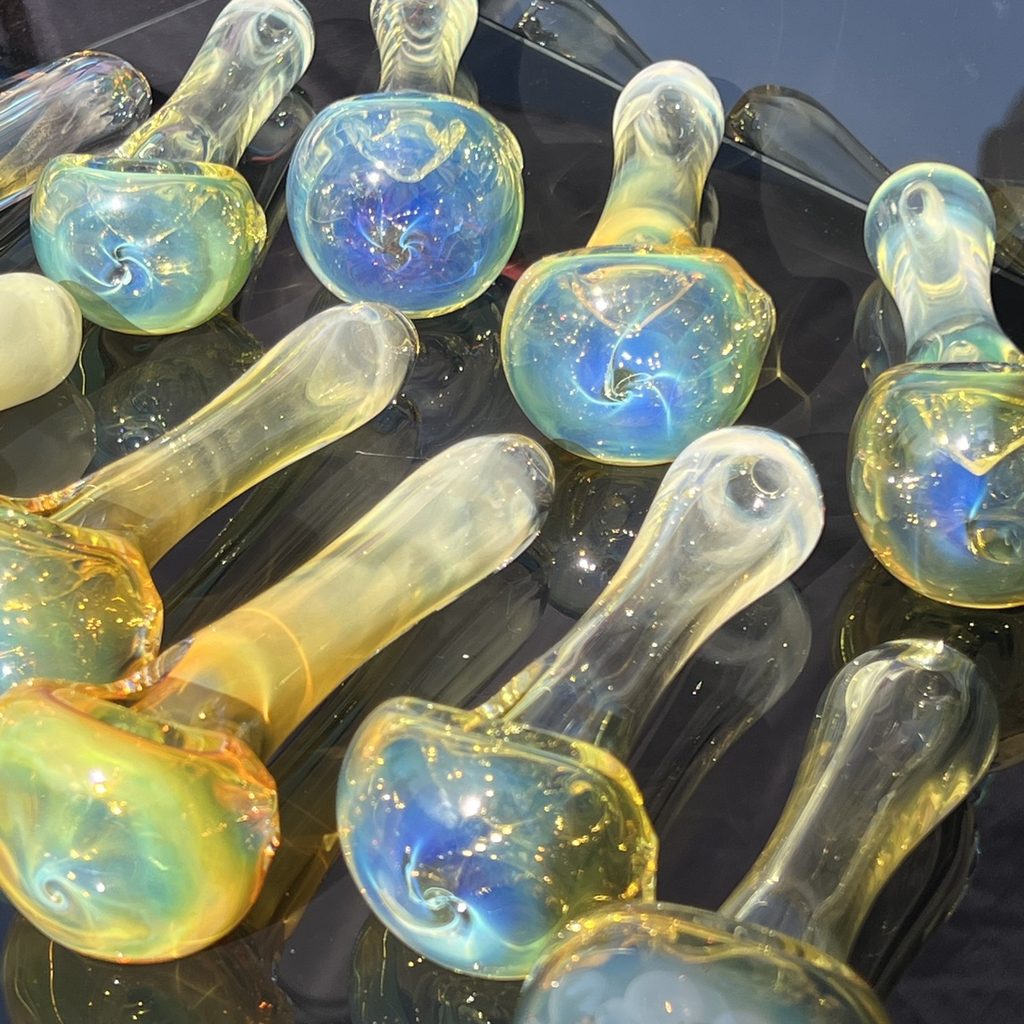
A glassblower might make twenty examples of the same spoon pipe, using identical materials and following the same process. The finished pieces will share a recognizable design, but they won’t necessarily be identical. This is normal, even in carefully controlled American production glass.
Of course, there’s an important distinction between natural handmade variation and poor craftsmanship. A bong that’s slightly taller than another example may be perfectly acceptable, as is a decorative marble positioned a little differently. Poorly sealed welds, sharp edges, unstable bases, or joints that don’t fit their intended accessories are another matter entirely.
Variations in functional components deserve particular attention. Slight differences in joint positioning may be harmless, while an incorrectly sized joint or poorly constructed percolator can affect performance. Understanding glass joint sizes and compatibility is especially important when purchasing replacement bowls, downstems, and other accessories.
Handmade construction should never become an excuse for defects. Customers should expect reasonable variation, but they should also expect their glass to function properly and meet appropriate quality standards.
Why Artistic Glass Is One of a Kind
The artistic side of functional glass introduces another level of individuality. Many artists develop recognizable styles using particular color combinations, shapes, patterns, or decorative techniques. An artist might become known for intricate fuming, elaborate linework, sculptural attachments, or distinctive marble arrangements that become signatures of their work.
Even when an artist returns to a familiar design, the finished pieces aren’t exact reproductions. Consider an artist who specializes in complex swirling color patterns. They might use the same colors and techniques to create an entire series of pipes, but the individual lines, twists, and color transitions develop differently as the glass is manipulated.
Some artists even create their own patterned borosilicate tubing before beginning the final piece, adding another layer of individual craftsmanship.
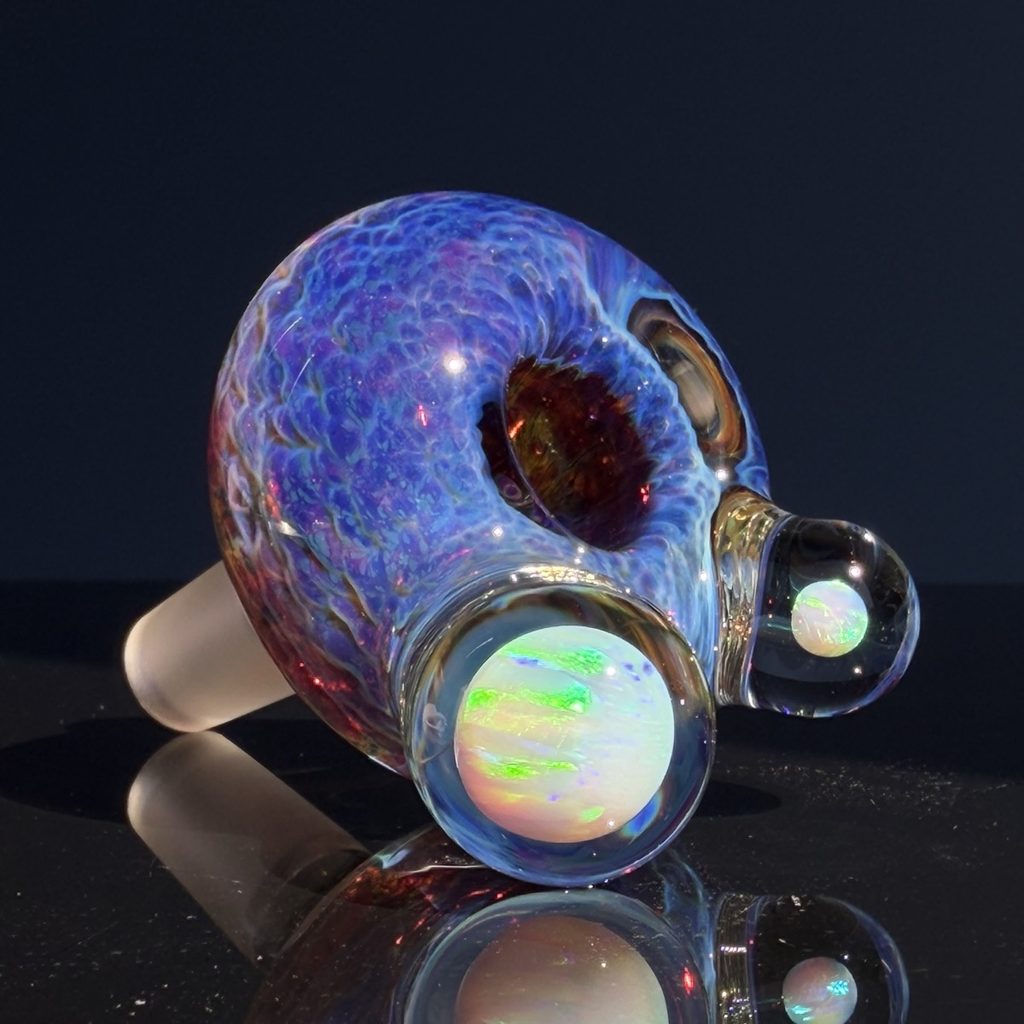
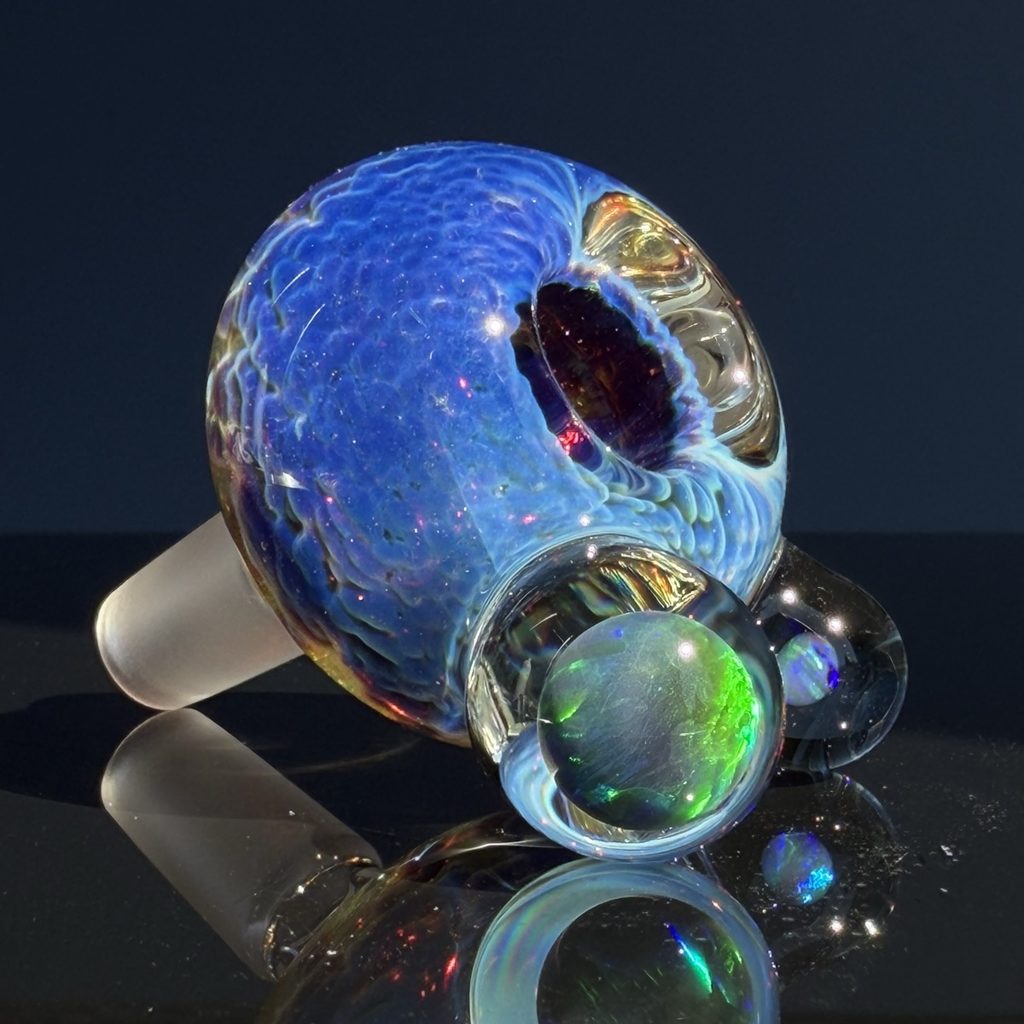
One pipe might feature an especially striking swirl, while another reveals unusual depth through a magnifying marble. Both reflect the artist’s recognizable style, but each has its own characteristics.
For collectors, that individuality is part of the appeal. The piece in your hand represents a particular combination of materials, techniques, and artistic decisions. An artist might be able to create something remarkably similar, but reproducing every curve, color transition, and decorative detail can be practically impossible.
This is especially apparent in heady glass, where artistic expression often plays as important a role as function.
Why Tako Glass Lists Individual Pieces
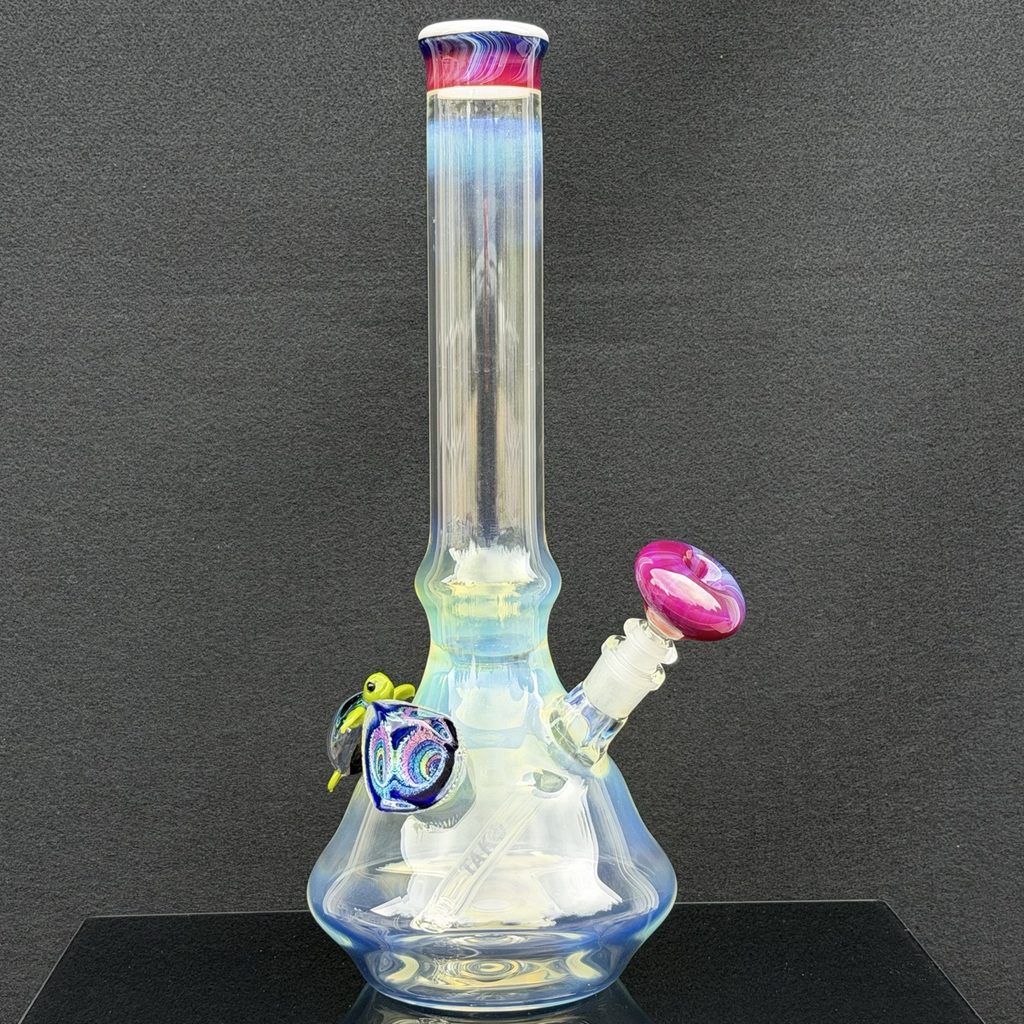
Handmade variation creates an interesting challenge for online glass retailers. Customers naturally expect the product they receive to match the photographs they saw before purchasing. For mass-produced merchandise, representative photographs are usually sufficient because one set of pictures can accurately represent an entire batch.
Handmade glass isn’t always that predictable. Tako Glass specializes in one-of-a-kind functional glass, and over 90% of the glass we sell is offered through individual, one-of-a-kind listings. Rather than using one set of photographs to represent dozens of similar pipes, we photograph and list each of these pieces separately.
It’s considerably more work, but we believe customers should be able to examine the exact glass they’re purchasing, especially when shopping for handmade functional art.
For our one-of-a-kind listings, we go well beyond conventional product photography. Each piece receives:
- 360-degree photography that lets customers examine the glass from every angle.
- Scale photographs with measuring devices that show its actual dimensions.
- In-hand photographs that help communicate size and proportions.
- A 20–30-second product video that provides another perspective on its colors, shape, and details.
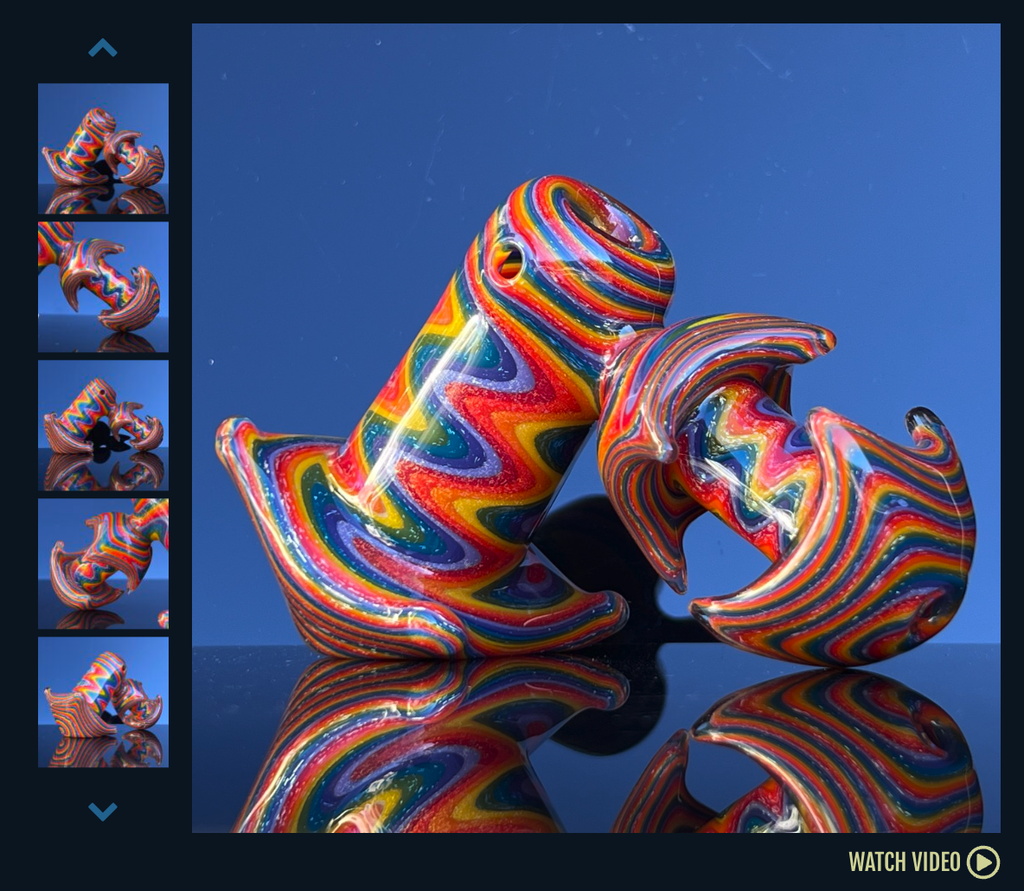
Complex color patterns, magnifying marbles, sculptural attachments, and intricate glasswork can look dramatically different depending on the viewing angle. A rotating view and short video help reveal details that static photographs might miss, while measurements and hand photographs give shoppers a clearer understanding of the piece’s actual size.
This level of documentation requires considerable time, particularly when every piece needs its own listing. We believe that effort is worthwhile because choosing a handmade pipe often comes down to the individual details that make one example stand out from another.
Not every product needs this approach, however. Tako Glass also sells production glass, where pieces are intentionally made to be reasonably consistent in appearance, dimensions, and function. When representative photographs accurately describe an entire batch, we may group those products into a single listing.
The deciding factor is whether the differences between individual pieces are meaningful enough that a customer would reasonably want to choose a specific example. For unique artistic work, we believe that choice matters.
The Value of Handmade Individuality
Handmade glass reflects the work of the people who shape, assemble, and finish it. Even straightforward production pieces carry subtle traces of that process, while artistic glass often makes those individual characteristics a central part of the finished work.
A recognizable design might be produced dozens of times, but no two examples will necessarily share precisely the same proportions, patterns, and details. At Tako Glass, we appreciate that individuality, and it’s one of the reasons we put so much effort into documenting the individual pieces we offer.
Understanding handmade variation helps customers recognize both the craftsmanship behind a piece and the qualities that make it distinct. Sometimes those small differences are exactly what make a particular piece worth owning.
Handmade Glass Pipes: Frequently Asked Questions
Are all glass pipes handmade?
Most traditional borosilicate glass pipes involve substantial handwork, even when they’re produced in factories. Glassworkers frequently shape and assemble components using torches and specialized tools. Some manufacturing processes can be automated, but complex functional glass often requires manual fabrication and assembly.
Why do two handmade glass pipes from the same artist look different?
Handmade glass pipes can vary because glass responds to heat, movement, and shaping throughout the manufacturing process. Even when an artist follows the same design, slight differences in dimensions, proportions, color patterns, and decorative placement can occur. These variations are generally normal when they don’t compromise the intended function.
Can a handmade glass pipe be slightly different from the product photographs?
Yes, when a retailer uses representative photographs for a batch of handmade production glass, minor differences between examples may occur. However, a listing for an individual, one-of-a-kind piece should represent the specific item being sold. At Tako Glass, individually listed one-of-a-kind pieces are photographed separately so customers can examine the actual glass they’re purchasing.
Are small air bubbles inside handmade glass normal?
Small enclosed bubbles can occur in certain glassworking techniques, including intentional air-trap designs. Their presence doesn’t automatically indicate a defect. Whether a bubble is acceptable depends on its location, the construction method, and whether it compromises the glass. Cracks, leaking seals, and other structural problems should not be dismissed as ordinary handmade variation.
Does handmade glass need to be perfectly symmetrical?
No. Slight asymmetry is common in hand-formed glass, especially in curved, sculptural, or heavily decorated pieces. Symmetry may be important to an artist’s intended design, but perfect mathematical symmetry isn’t necessary for every piece. Stability, proper construction, and functional performance are more important than minor cosmetic differences.
Will a 14mm bowl fit every handmade bong with a 14mm joint?
A properly manufactured 14mm male bowl should generally fit a compatible 14mm female ground-glass joint. However, joint gender, manufacturing tolerances, damage, and component design can affect fit. The same principle applies to 10mm and 18mm connections. Always verify the joint size and gender before purchasing replacement components or accessories.
Can a glass artist reproduce a broken one-of-a-kind pipe?
An artist may be able to create a similar replacement, particularly if they still have the materials and regularly produce that design. However, exact reproduction of intricate color patterns, fuming, marbles, and sculptural details can be difficult or impossible. A replacement may capture the style of the original without being visually identical.
Do handmade glass pipes come with exact measurements?
Measurements for individually listed glass can describe the actual piece, while dimensions for batch-produced glass may represent approximate specifications. Small manufacturing differences can affect height, length, width, and weight. If a precise dimension matters for storage, display, or compatibility, check whether the listing provides individual measurements or approximate dimensions.