Glass Joints 102: Genders, Angles & Compatibility Explained

Previously in our Glass Joints Series, we explored the three standard joint sizes used throughout the functional glass industry: 10mm, 14mm, and 18mm. Knowing your joint size is the first step toward choosing compatible accessories, but it’s only part of the equation.
Even if two pieces share the same diameter, they still need the correct gender, joint angle, and, in some cases, the right adapter to fit together properly.
This guide explains how those compatibility standards work, helping you confidently choose replacement bowls, quartz bangers, downstems, ash catchers, and other accessories.
Still not sure about the basics of glass joints, like how to identify common sizes, and which joints are used for which pieces? A quick read through the Glass Joints 101 article will get you up to speed.
Understanding Male and Female Glass Joints
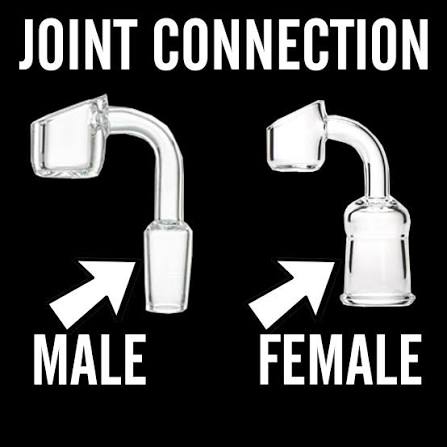
Once you know your joint size, the next thing to identify is its gender.
Unlike size, gender has nothing to do with diameter. Instead, it describes how two pieces fit together.
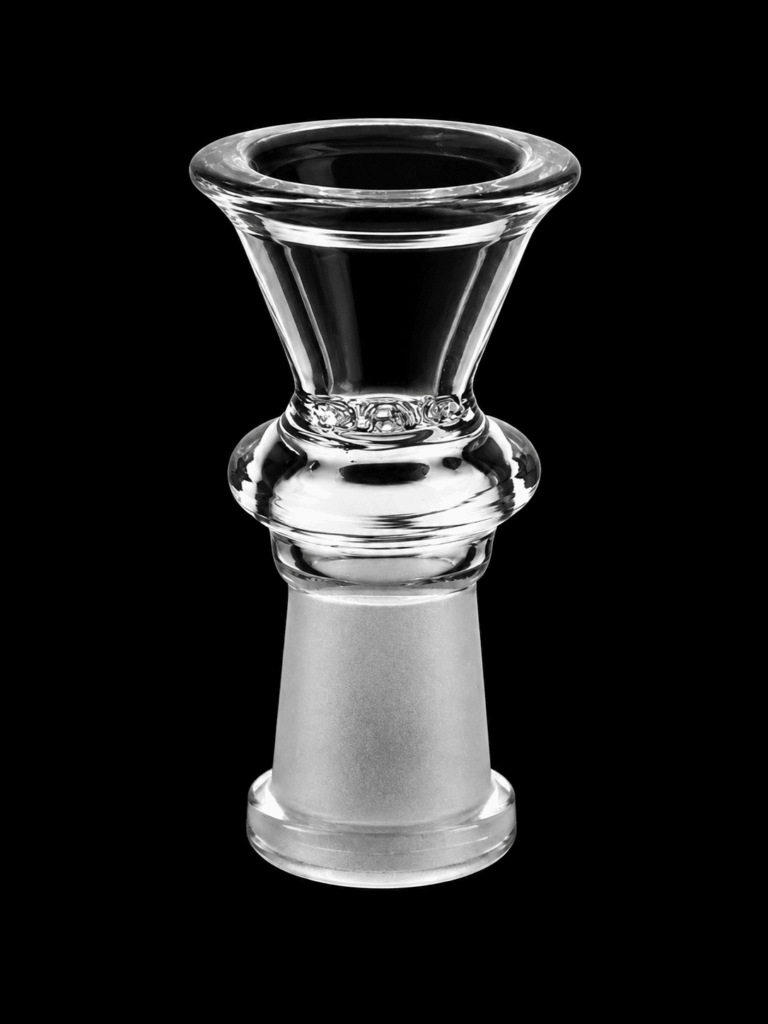
Male Joints
A male joint slides into another joint.
The frosted ground-glass surface is located on the outside of the glass.
Common examples include:
- Most bowls
- Most quartz bangers
- The lower end of removable downstems
- Many reclaim catchers
Think of a male joint as the “plug.”
Female Joints
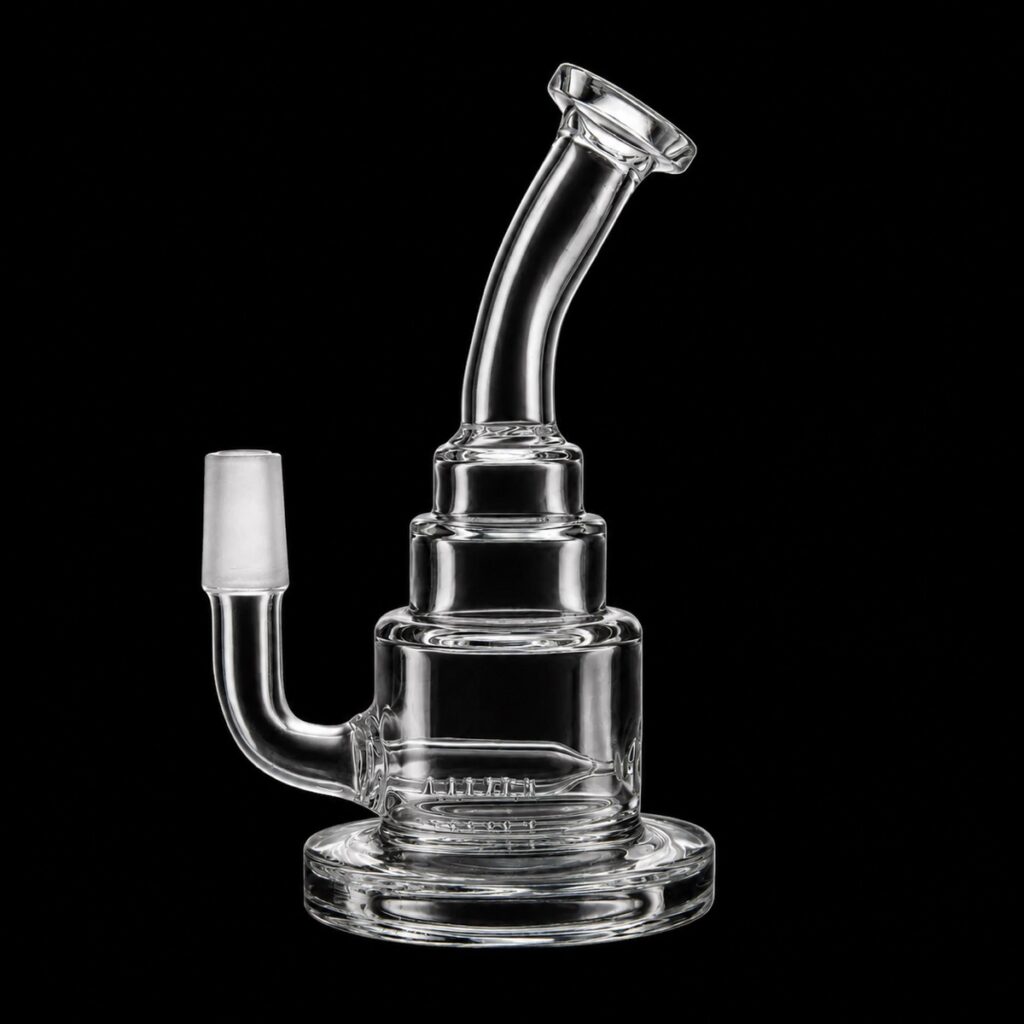
A female joint receives another component.
The ground-glass surface is located on the inside of the opening.
You’ll commonly find female joints on:
- Water pipes
- Bubblers
- Dab rigs
- Ash catchers
- The upper end of many removable downstems
Think of a female joint as the “socket.”
There’s No Performance Difference
One common misconception is that male or female joints somehow provide better airflow.
In reality, neither design is inherently superior.
Manufacturers choose one or the other based on the intended configuration of the piece and the accessories designed to work with it.
The important thing is simply making sure both pieces are compatible.
Why Does My 18mm Bong Use a 14mm Bowl?
This is one of the most common questions new collectors ask.
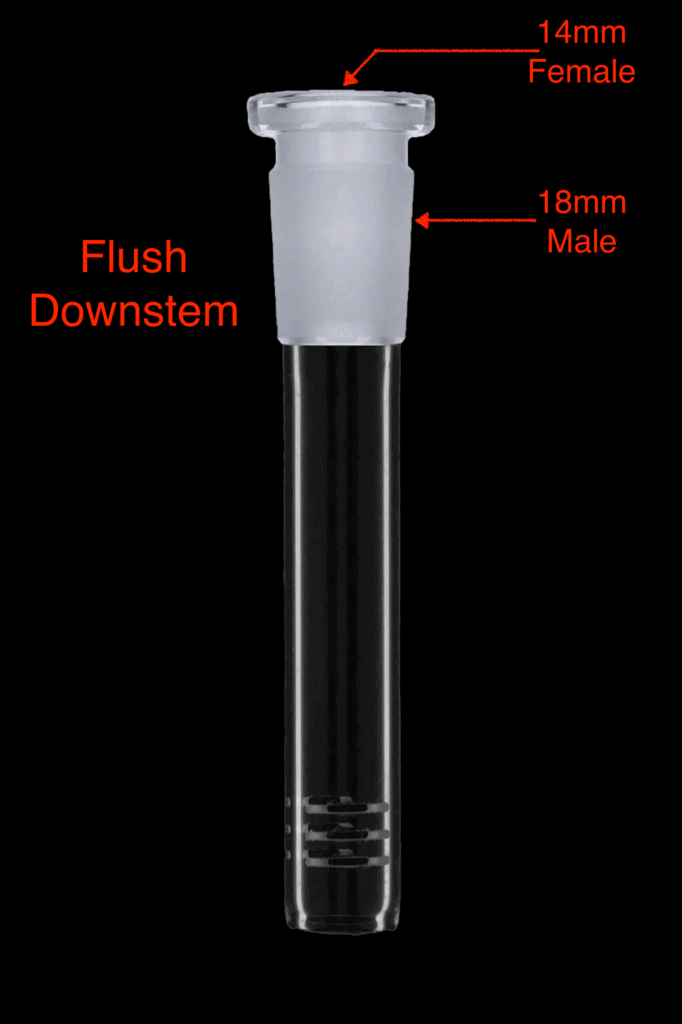
The answer lies in the removable downstem.
Many larger flower tubes feature an 18mm female joint built into the bong itself.
Rather than placing an 18mm bowl directly into that opening, manufacturers install a removable 18mm male to 14mm female reduction downstem.
This configuration has become extremely popular because it combines the advantages of both sizes.
The larger 18mm connection provides excellent airflow between the bong and the downstem, while the reduced 14mm opening accepts the industry’s most common bowl size. This design allows a flush fit as well, creating a cleaner aesthetic.
It also gives owners access to the enormous variety of 14mm bowls available today without sacrificing the airflow benefits of a larger tube.
Understanding Joint Angles
Glass joints are manufactured in two primary angles:
- 45°
- 90°
The angle refers to the direction the joint points relative to the chamber.
Choosing the correct angle is just as important as selecting the correct size.
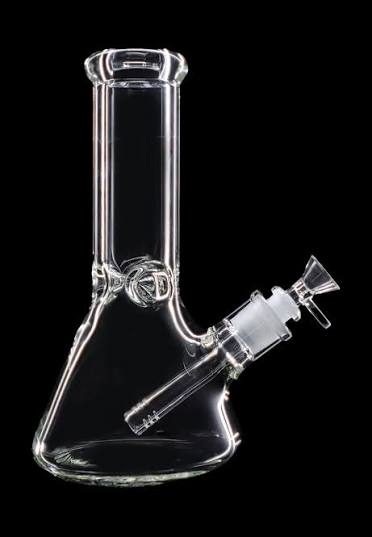
45° Joints
A 45° joint angles upward toward the user.
These joints are traditionally found on:
- Beaker bongs
- Straight tubes with removable downstems
- Pieces with angled necks
A 45° banger or ash catcher keeps the accessory upright when installed in a matching piece.
90° Joints
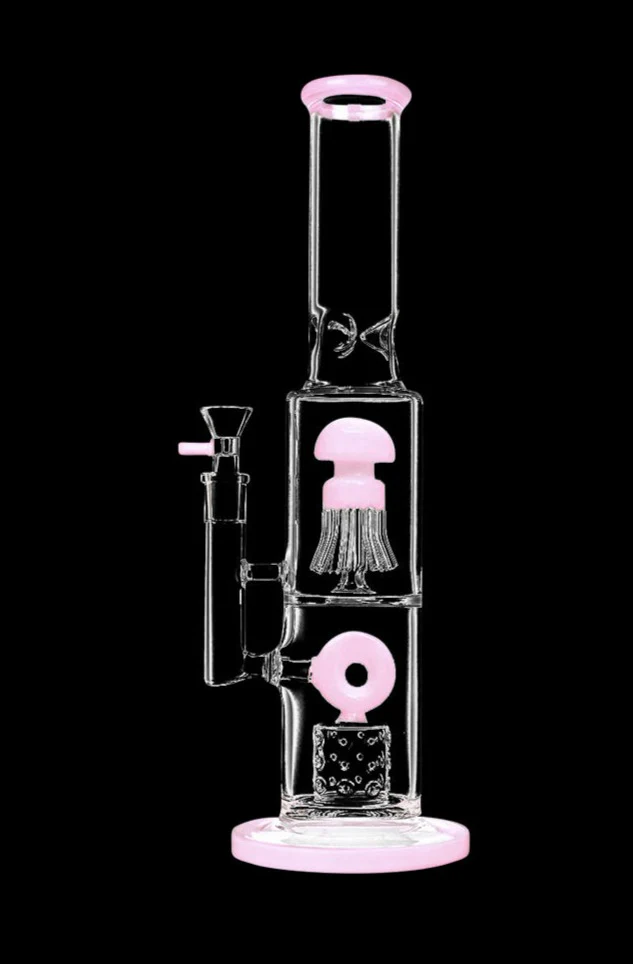
A 90° joint extends straight outward from the chamber.
You’ll commonly find them on:
- Straight tubes with fixed downstems
- Dab rigs
- Recyclers
- Scientific-style flower tubes
- Many modern American designs
Because the joint exits horizontally, 90° accessories remain level during use.
Why Angle Matters
Imagine placing a 90° banger into a 45° rig.
Instead of sitting level, it points upward at an awkward angle.
Likewise, installing a 45° ash catcher on a 90° tube often leaves it tilted forward.
While adapters can sometimes compensate for an incorrect angle, choosing the proper angle from the beginning produces the cleanest, safest, and most stable setup.
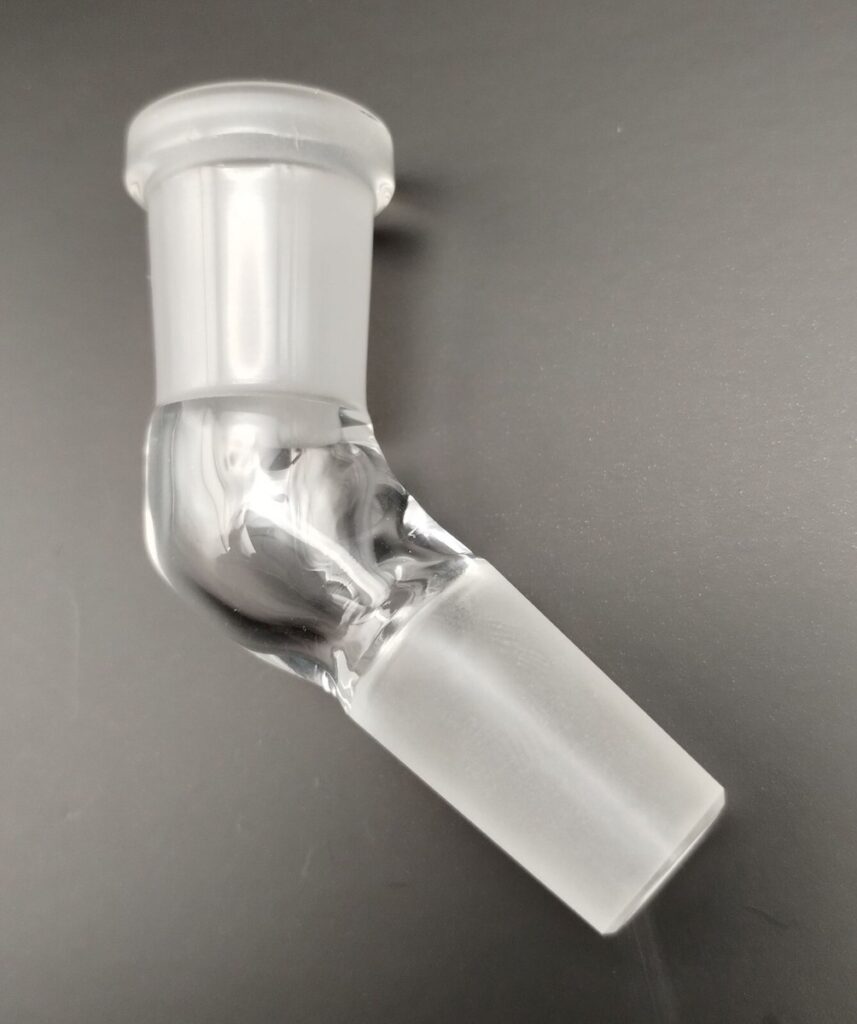
Glass Adapters Explained
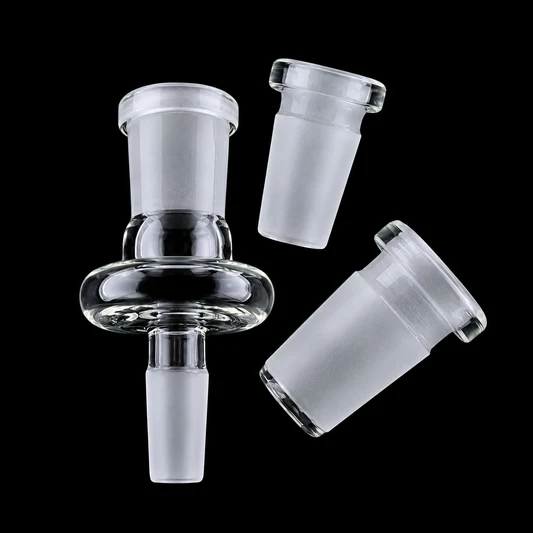
Adapters make it possible to connect components that wouldn’t normally fit together.
They’re some of the most useful accessories a collector can own.
Reduction Adapters
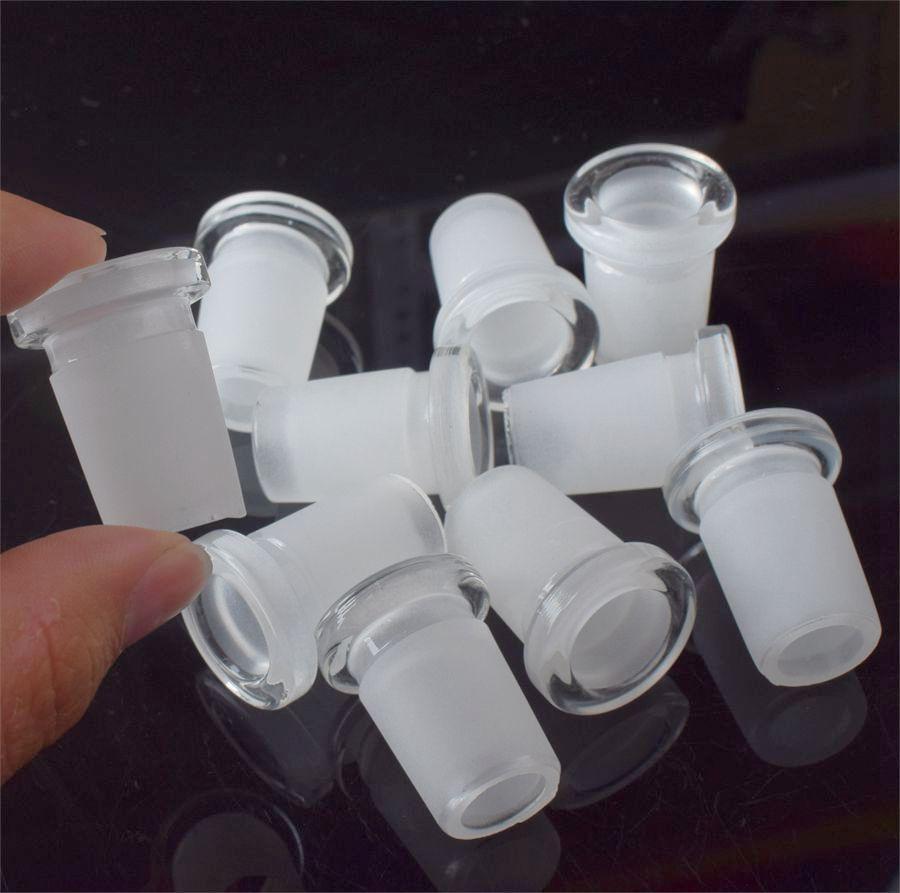
A reduction adapter allows a smaller accessory to fit a larger joint.
Examples include:
- 18mm to 14mm
- 14mm to 10mm
These are among the most common adapters on the market.
Expansion Adapters
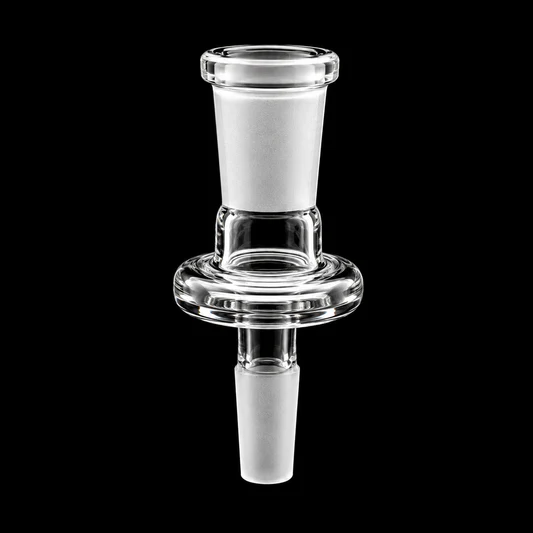
Expansion adapters work in the opposite direction.
They allow a larger accessory to fit a smaller joint.
While less common than reduction adapters, they can be useful when adapting existing accessories to a new piece.
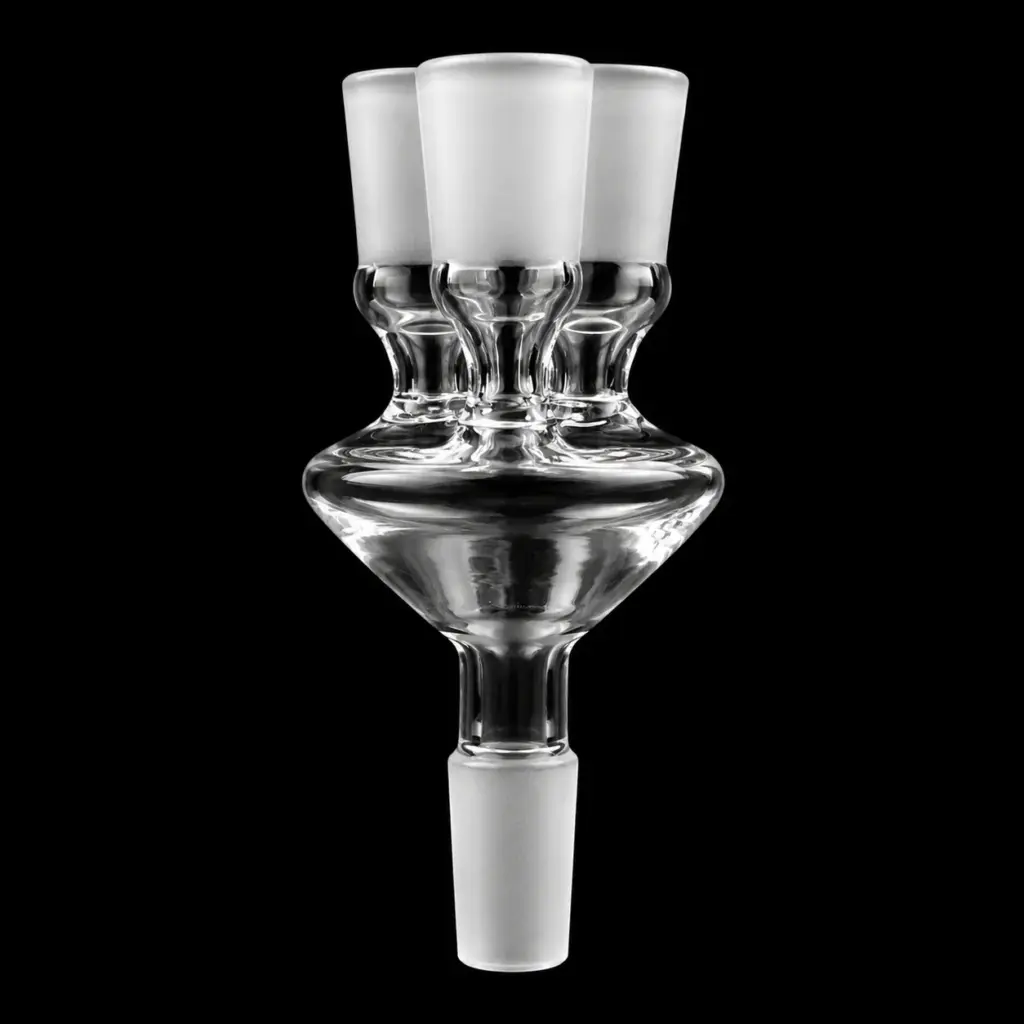
Male-to-Male Adapters
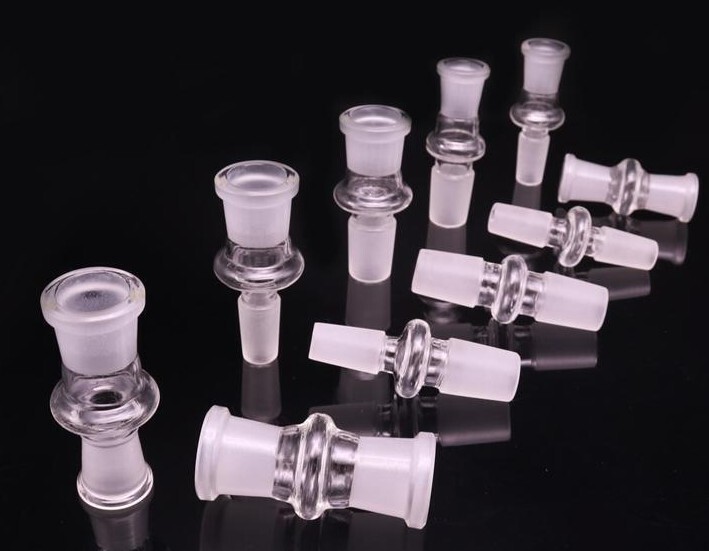
A male-to-male adapter connects two female joints.
These are commonly used for:
- Reclaim catchers
- Modular systems
- Specialized scientific-style setups
Female-to-Female Adapter
A female-to-female adapter connects two male joints.
Although less common, they’re invaluable when connecting accessories that were never originally intended to work together.
Drop-Down Adapters
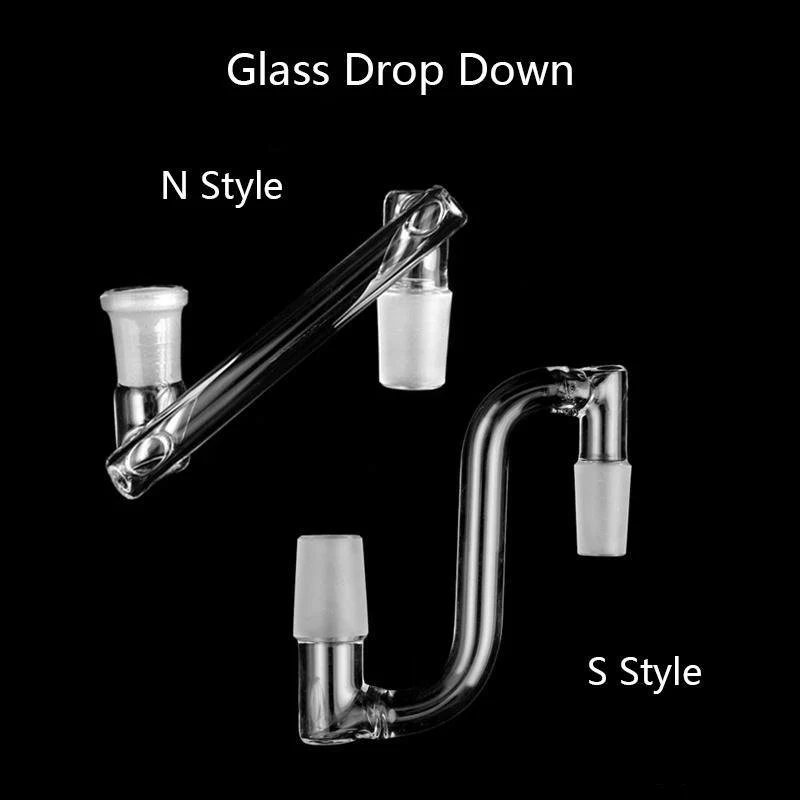
Drop-down adapters lower a quartz banger farther away from the rig.
This provides several benefits:
- More room to work while heating
- Less radiant heat near decorative glass
- Better protection for expensive rigs
- Easier access when using larger quartz
Many concentrate enthusiasts consider a drop-down one of the most practical upgrades for preserving an intricate heady rig.
Common Compatibility Mistakes
Most fitment problems come down to overlooking one of three specifications.
Before purchasing a replacement accessory, verify:
- Joint size (10mm, 14mm, or 18mm)
- Joint gender (male or female)
- Joint angle (45° or 90°)
Once those three specifications match, compatibility becomes much easier.
If one specification doesn’t match, an appropriate adapter can often solve the problem.
Building a More Versatile Setup
One of the greatest advantages of standardized glass joints is flexibility.
Rather than replacing an entire water pipe, collectors can customize their setup by swapping bowls, upgrading quartz, adding ash catchers, installing reclaim catchers, or experimenting with different adapters.
Understanding compatibility gives you the confidence to build a setup that fits your preferences while avoiding expensive purchasing mistakes.
Conclusion
Standardized glass joints are one of the reasons modern functional glass is so versatile. Once you understand joint sizes, genders, angles, and adapters, choosing compatible accessories becomes far less intimidating.
Whether you’re replacing a broken bowl, upgrading your quartz, or assembling a completely customized setup, knowing how these standards work ensures every component fits together exactly as intended.
Questions About Glass Joint Compatibility
How do I know if an accessory will fit my bong or rig?
Before purchasing any replacement bowl, banger, ash catcher, or adapter, verify three specifications: the joint size (10mm, 14mm, or 18mm), the joint gender (male or female), and the joint angle (45° or 90°). Matching all three ensures a proper fit.
Why does my 18mm bong use a 14mm bowl?
Many larger flower tubes use an 18mm joint on the bong itself but include an 18mm-to-14mm reduction downstem. This provides excellent airflow while allowing the use of the industry’s most common 14mm bowls and accessories.
Does a male joint work better than a female joint?
No. Male and female joints simply describe how two pieces connect. Neither style offers better airflow or performance. As long as the joint size, gender, and angle are compatible, both designs function equally well.
What’s the difference between a 45° and a 90° joint?
The angle determines how an accessory sits once installed. A 45° joint angles upward and is common on many beaker bongs, while a 90° joint extends straight outward and is frequently found on dab rigs and scientific-style glass. Matching the correct angle keeps bowls, bangers, and ash catchers level during use.
When should I use a glass adapter?
Adapters are useful whenever two compatible pieces differ in size, gender, or function. Reduction adapters, expansion adapters, male-to-male adapters, female-to-female adapters, flush adapters, and drop-downs all allow collectors to customize their setup without replacing an entire piece.
What causes most glass compatibility problems?
Most fitment issues happen because one of three details was overlooked: joint size, joint gender, or joint angle. Checking these specifications before ordering replacement accessories is the easiest way to avoid expensive mistakes.